


 Deutsch
 English
 Español
 Français
 Nederlands
 Português


 Share
Share




The Critical Minerals Paradox: Australia's Strategic Dilemma
Australia faces a profound strategic paradox in the critical minerals sector: the nation exports over 90% of its lithium as raw spodumene ore to China while waiting for Western allies to build manufacturing capacity, creating a dangerous dependency that fuels Chinese industrial dominance. This upstream-downstream imbalance represents one of the most significant geopolitical challenges for Australia's resource economy, with the country supplying 36% of global lithium extraction while China processes 94% of these exports into battery-grade materials. The geopolitical resource competition has intensified as Australia's nickel production has crashed due to cheaper Indonesian competition, highlighting the vulnerability of raw material export strategies in a rapidly shifting global market.
What is the Critical Minerals Paradox?
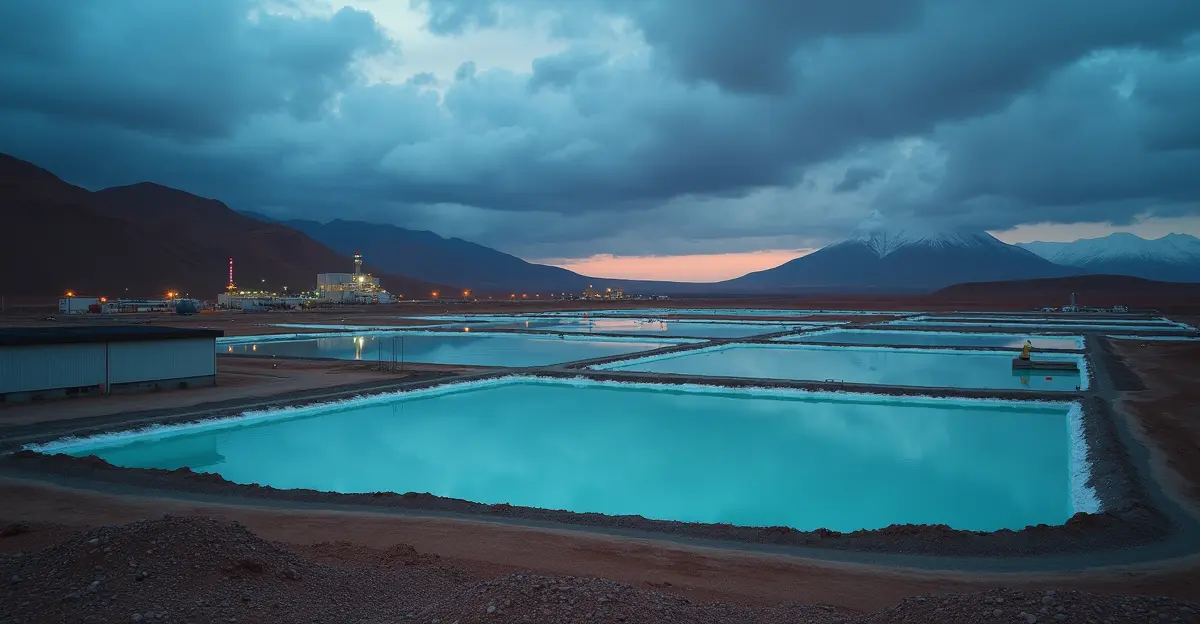
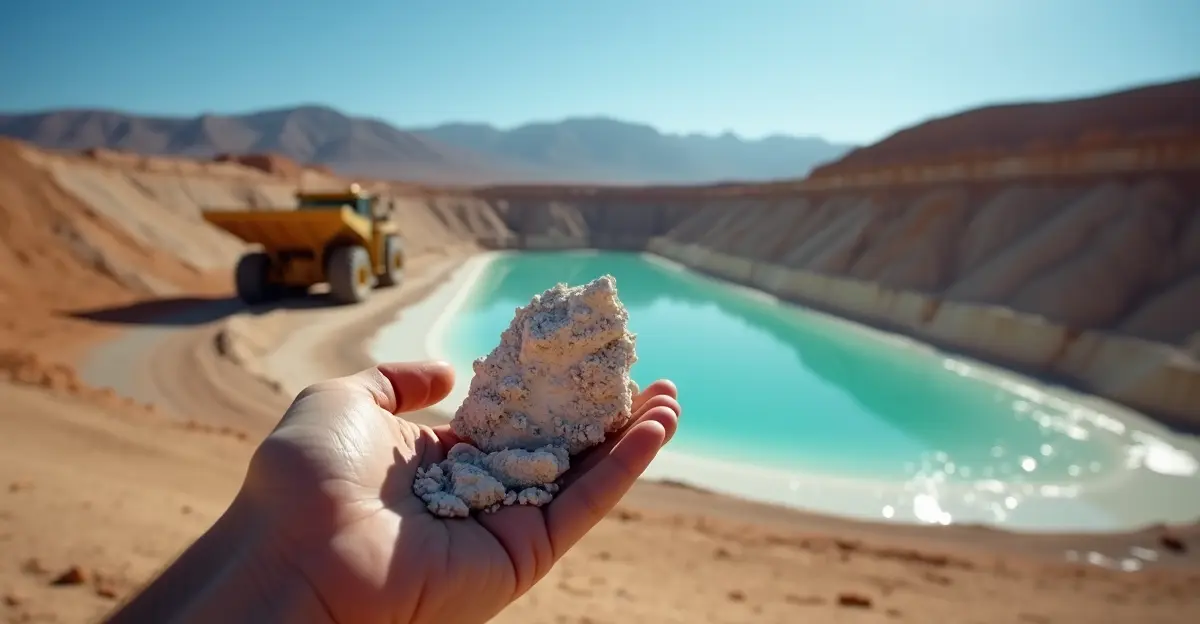
The critical minerals paradox describes Australia's contradictory position as a world-leading mineral producer that remains trapped in the lowest-value segment of the supply chain. While Australia controls 36% of global lithium extraction with annual spodumene concentrate exports exceeding 3.35 million tonnes, China dominates the entire value chain from processing to permanent magnet manufacturing. According to Australian export data, China accounted for 95% of Australia's lithium exports in 2024, creating a dependency that undermines national strategic interests. This paradox extends beyond lithium to rare earths, cobalt, and other minerals essential for renewable energy, defense systems, and advanced manufacturing.
Geopolitical Implications of Raw Material Exports
The geopolitical consequences of Australia's critical minerals strategy are becoming increasingly apparent. By exporting raw spodumene ore rather than processed materials, Australia effectively subsidizes China's manufacturing dominance while limiting its own industrial development. "We're exporting our strategic advantage in raw form and importing it back as finished products at premium prices," explains a senior industry analyst who requested anonymity due to commercial sensitivities. The US-China trade tensions have highlighted the risks of this dependency, with China able to leverage its processing monopoly during diplomatic disputes. Australia's mining elite benefits from raw material exports through immediate revenue streams, but this short-term gain comes at the expense of long-term industrial sovereignty.
China's Manufacturing Consolidation
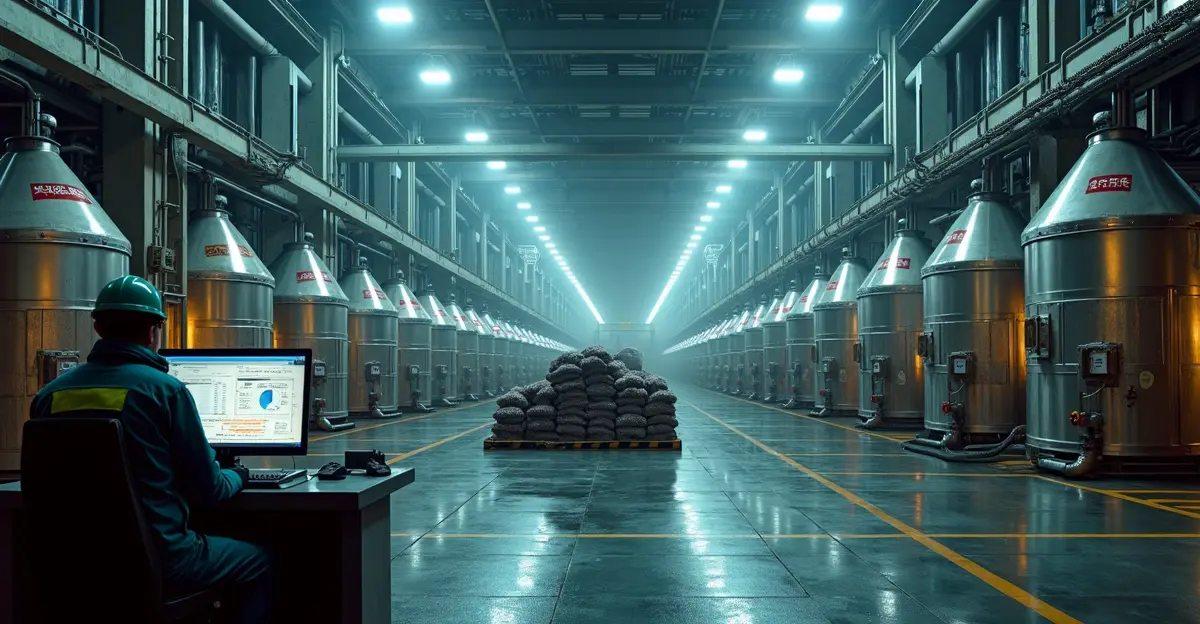
China has systematically consolidated control over the critical minerals value chain through strategic investments and processing technology development. While Australia exports spodumene concentrate containing approximately 6% lithium oxide, Chinese companies refine this into battery-grade lithium hydroxide with purity exceeding 99.5%. This processing capability, combined with China's dominance in battery cell manufacturing (controlling 77% of global capacity), creates a formidable industrial ecosystem. The electric vehicle supply chain exemplifies this imbalance: Australian lithium powers Chinese-made batteries that compete against Australian automotive manufacturing ambitions.
Limitations of Current Policy Responses
Australia's policy responses to the critical minerals challenge have focused primarily on subsidizing upstream mining rather than addressing key bottlenecks in processing technology, workforce development, and sustainability challenges. The AU$1.5 billion Australia-US critical minerals deal and AU$7 billion Future Made in Australia agenda represent significant investments but face structural limitations:
- Technology Gap: Australia lacks the advanced processing technologies that China has developed over decades
- Workforce Shortages: The country has experienced a 19% collapse in geoscience academic staff since 2017
- Capital Intensity: Processing facilities require billions in investment with uncertain returns
- Market Concentration: China's established supply chains create barriers to market entry
According to ABC News analysis, the Australia-US deal focuses on unlocking an $8.5 billion pipeline of critical mineral projects, but critics argue it insufficiently addresses downstream processing capacity. The Future Made in Australia agenda similarly prioritizes mining subsidies over the complex technological and industrial challenges of value-added manufacturing.
Strategic Risks and Dependency Analysis
The strategic risks of Australia's critical minerals dependency extend beyond economic considerations to national security implications. China's potential to weaponize its processing monopoly during geopolitical tensions represents a clear vulnerability for Australian and allied defense industries. The nickel sector provides a cautionary tale: Australian nickel production has crashed due to cheaper Indonesian competition, demonstrating how quickly raw material advantages can evaporate in global markets. Indonesia now controls over 60% of global nickel mine supply and 36% of global reserves, using administrative decisions on export quotas as price-setting mechanisms. This market concentration creates volatility that undermines long-term investment planning for Australian critical minerals projects.
Pathways to Vertical Integration
Developing a more resilient, vertically integrated critical minerals industry requires addressing multiple interconnected challenges simultaneously. Australia must move beyond the extractive mindset that has dominated its resource sector for decades and embrace a holistic industrial strategy:
- Technology Development: Invest in processing technologies through research partnerships with allies
- Workforce Development: Reverse funding cuts to geoscience education and create industry training programs
- Infrastructure Investment: Build processing facilities co-located with renewable energy sources
- International Partnerships: Develop processing joint ventures with allied nations beyond traditional markets
The renewable energy transition offers both challenges and opportunities, as demand for critical minerals continues to grow at 13% annually. Australia's potential to add $140 billion to GDP by 2040 and create 115,000 jobs in the critical minerals sector depends on successfully navigating this transition from raw material exporter to integrated manufacturer.
Expert Perspectives on the Strategic Dilemma
Industry experts highlight the urgency of addressing Australia's critical minerals paradox. "We're at a strategic crossroads where decisions made today will determine our industrial future for decades," notes Dr. Sarah Chen, a resources economist at the Australian National University. "The window for developing domestic processing capacity is closing as China consolidates its technological advantages and market position." Mining executives acknowledge the tension between short-term profitability and long-term strategic interests, with one CEO stating anonymously: "Our shareholders expect returns now, not in ten years when processing facilities might become profitable. This creates misaligned incentives that policy must address."
Frequently Asked Questions
What percentage of Australian lithium is exported to China?
China accounts for approximately 94-95% of Australia's lithium exports, primarily as raw spodumene ore rather than processed battery-grade materials.
Why doesn't Australia process its own critical minerals?
Australia faces multiple barriers including technology gaps, high capital costs for processing facilities, workforce shortages, and China's established market dominance that creates competitive disadvantages.
What is the Australia-US critical minerals deal?
The AU$1.5 billion agreement aims to unlock an $8.5 billion pipeline of critical mineral projects, with each country investing at least $1.5 billion over six months to reduce China's global dominance.
How has Indonesian competition affected Australian nickel?
Indonesian nickel production, supported by cheaper labor and processing technology, has caused Australian nickel production to crash as it cannot compete on price in global markets.
What are the strategic risks of Australia's current approach?
Strategic risks include dependency on Chinese processing, vulnerability to geopolitical tensions, loss of industrial sovereignty, and missed economic opportunities in higher-value manufacturing segments.
Conclusion: Navigating the Critical Minerals Crossroads
Australia stands at a critical juncture in its resource development strategy. The nation's abundance of critical minerals represents both an extraordinary opportunity and a profound strategic challenge. Moving beyond the raw material export model requires coordinated policy action, substantial investment in technology and workforce development, and a clear-eyed assessment of geopolitical realities. The global supply chain resilience agenda championed by Western allies offers potential pathways forward, but success depends on Australia's willingness to make difficult trade-offs between short-term mining revenues and long-term industrial development. As the world transitions to renewable energy systems, Australia's handling of its critical minerals paradox will determine whether it becomes a manufacturer of clean energy technologies or remains a supplier of raw materials to other nations' industrial ambitions.


Follow Discussion