


 Deutsch
 English
 Español
 Français
 Nederlands
 Português


 Share
Share




The Gulf AI Infrastructure Gamble: Geopolitical Implications of US Tech Companies' Middle East Expansion
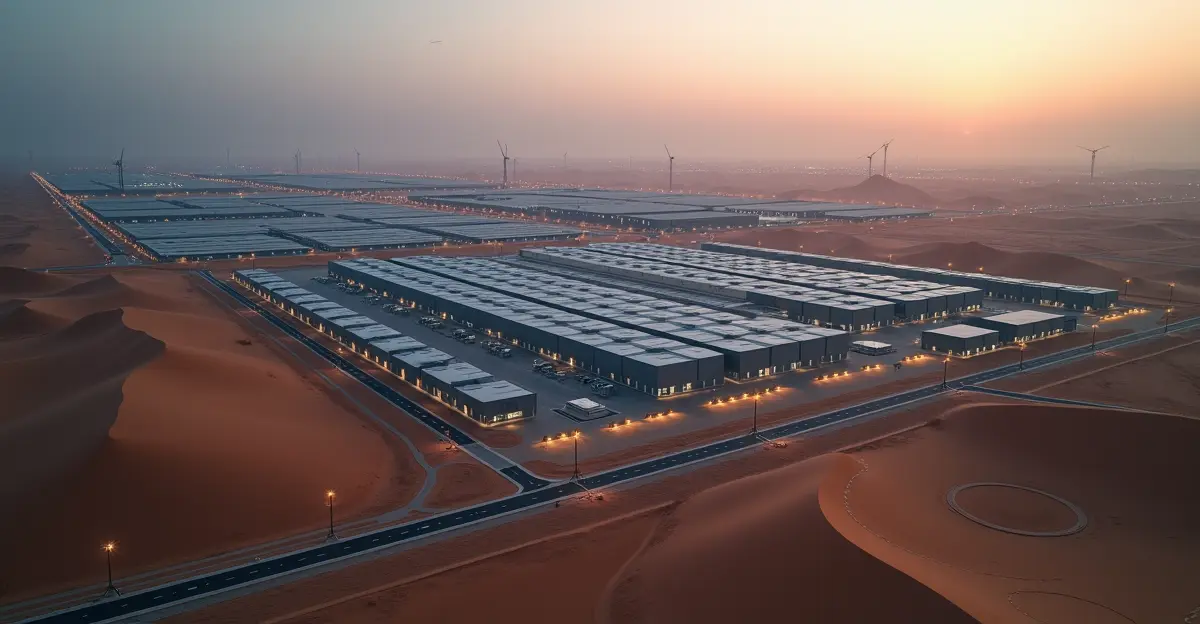
In a strategic shift reshaping global technology alliances, major US technology companies are investing billions in artificial intelligence infrastructure across Gulf nations like the United Arab Emirates and Saudi Arabia, creating what analysts term a new form of 'AI statecraft' where commercial infrastructure becomes geopolitical leverage. Recent multibillion-dollar AI infrastructure deals between US tech giants and Gulf nations have accelerated in the past month, coinciding with growing concerns about regional security following drone attacks on data centers and increasing competition with China for technological influence. This analysis examines how these investments represent dual objectives of countering Chinese influence while securing new markets for US semiconductors and cloud services, assessing national security implications, data sovereignty challenges, and potential vulnerabilities of concentrating critical AI infrastructure in a region with ongoing geopolitical tensions.
What is AI Statecraft?
AI statecraft refers to the strategic use of artificial intelligence infrastructure, partnerships, and technology exports as instruments of foreign policy and geopolitical influence. Unlike traditional diplomacy or military alliances, AI statecraft leverages commercial technology ecosystems to create lasting dependencies and align partner nations with specific technological standards and governance frameworks. According to a CSET report, recent US AI partnerships with Gulf nations represent a strategic shift where data centers, cloud controls, and compute access bind regional partners to US technology ecosystems while crowding out Chinese alternatives. This approach transforms commercial infrastructure into geopolitical assets, creating what experts call 'silicon statecraft' – using technology infrastructure as a more durable form of influence than traditional military bases.
The Strategic Landscape: US-China Competition in the Gulf
The Gulf region has become a critical battleground in the US-China technological rivalry, with both superpowers vying for influence over emerging AI ecosystems. The United States has recently approved exports of advanced Nvidia AI chips to Saudi Arabia's HUMAIN and the UAE's G42, authorizing state-backed firms to purchase up to 35,000 chips worth an estimated $1 billion. This marks a major policy reversal from previous restrictions aimed at preventing advanced American technology from reaching China through Gulf states. The approval comes with strict security and reporting requirements overseen by the Bureau of Industry and Security, reflecting the delicate balance between economic opportunity and national security concerns.
Key Investments and Partnerships
Several landmark deals illustrate the scale of US-Gulf AI cooperation:
- Microsoft's $1.5 billion stake in Abu Dhabi's G42 with American board seats and governance assurances
- Saudi Arabia's $1 trillion commitment to US investments following Crown Prince Mohammed bin Salman's Washington visit
- The $500 billion 'Stargate' initiative involving Microsoft, OpenAI, Nvidia, and Cisco for massive data center clusters
- HUMAIN's 500-megawatt data center partnership with Elon Musk's xAI, positioning Saudi Arabia as a global AI hub
These investments serve dual purposes: economic diversification for Gulf nations seeking post-oil futures and strategic alignment for the US in countering Chinese technological influence. As noted in a Foreign Policy analysis, AI investments represent "the mother of all insurance policies" for regional security through strategic alignment with American technological leadership.
Security Vulnerabilities: Drone Attacks and Infrastructure Risks
The strategic calculus behind Gulf AI investments faces significant challenges following recent security incidents. In March 2026, Iranian drone strikes targeted Amazon Web Services data centers in the UAE and Bahrain, marking the first deliberate attack on commercial data centers by a nation-state military. The coordinated strikes disrupted services for 11 million people in the UAE, preventing basic services like taxi payments, banking, and food deliveries. These attacks expose critical vulnerabilities in the Gulf region's $300 billion AI infrastructure ambitions and raise serious questions about the security of concentrated AI infrastructure in a geopolitically volatile region.
Protection Requirements and Costs
Experts warn that protecting these facilities may require missile defense systems on data centers rather than just cybersecurity measures. The attacks highlight vulnerabilities in the UAE's strategic position as a digital hub, particularly with concentrated submarine cable landing points creating geographic chokepoints. As noted in The Guardian's coverage, "protecting such infrastructure may require missile defense systems on datacentres, similar to maritime piracy defenses." This development forces a reevaluation of infrastructure security for potential AI investors and raises costs for maintaining Gulf-based AI operations.
Data Sovereignty and Governance Challenges
The concentration of AI infrastructure in Gulf nations creates complex data sovereignty issues and governance challenges. Gulf states are pursuing AI development for economic diversification but face geopolitical risks as they navigate between US and Chinese technological ecosystems. All six GCC economies are now included in US chip export controls under country group D:4 (Missile Technology), creating regulatory complexities for technology transfers. The EU AI Act compliance requirements further complicate international data flows, while regional governments must balance economic ambitions with national security considerations.
Key governance challenges include:
- Fragmented oversight between multiple US agencies and Gulf regulatory bodies
- Technology diversion risks to third parties, including potential Chinese access
- AI sovereignty concerns as Gulf nations seek control over their digital futures
- Human rights considerations in authoritarian states with limited civil liberties
Geopolitical Implications and Strategic Dependencies
The Gulf AI infrastructure gamble creates new strategic dependencies that could reshape regional power dynamics. By partnering with major US tech companies, Gulf states aim to secure implicit US security guarantees, drawing parallels to Qatar's Al Udeid Air Base which attracted US military presence and provided security benefits. However, this creates reciprocal dependencies: the US gains influence over Gulf technological development while Gulf nations gain access to cutting-edge AI capabilities and potential security assurances.
The US semiconductor export controls framework now extends to Gulf partners, creating what analysts term "technological alliances" that bind nations together through shared infrastructure and standards. As noted in the Middle East Council on Global Affairs report, "AI chips have become essential for digital transformation, with Nvidia's market valuation surpassing Saudi Aramco, symbolizing chips as 'the new oil' for Gulf economic diversification."
Expert Perspectives on Sustainable Models
Technology analysts and geopolitical experts offer contrasting views on whether the Gulf AI infrastructure model represents sustainable US technological leadership or creates new strategic vulnerabilities. "These partnerships could serve as prototypes for future US AI engagements but require effective governance to prevent strategic misalignment," notes the CSET report. Meanwhile, security experts warn that concentrated infrastructure creates attractive targets in conflict scenarios, potentially drawing US into regional disputes to protect commercial assets.
The US-China technology competition context adds another layer of complexity, as Gulf nations must carefully navigate between competing technological ecosystems. Some analysts suggest that diversified infrastructure across multiple regions with robust security protocols represents a more sustainable approach than concentrated Gulf investments.
FAQ: Gulf AI Infrastructure and Geopolitical Implications
What is the 'Stargate' initiative in the Gulf?
The $500 billion 'Stargate' initiative involves Microsoft, OpenAI, Nvidia, and Cisco building massive data center clusters in the UAE, representing one of the largest AI infrastructure projects globally and a centerpiece of US-Gulf technological cooperation.
How do drone attacks affect Gulf AI ambitions?
Iranian drone attacks on AWS data centers in March 2026 disrupted services for 11 million people, exposing vulnerabilities in concentrated AI infrastructure and potentially requiring missile defense systems for protection, raising costs and security concerns for investors.
Why are US chip exports to the Gulf significant?
The US Commerce Department approved exports of 35,000 advanced Nvidia AI chips to Saudi Arabia and UAE firms in November 2025, marking a policy reversal that enables Gulf AI development while maintaining strict controls to prevent technology diversion to China.
What are data sovereignty concerns in Gulf AI partnerships?
Data sovereignty concerns involve questions about who controls data stored in Gulf-based AI infrastructure, how it's governed, and potential access by host governments, creating tensions between commercial operations and national security interests.
How does AI infrastructure create geopolitical leverage?
AI infrastructure creates geopolitical leverage by binding nations to specific technological ecosystems, standards, and governance frameworks, creating dependencies that can be leveraged for diplomatic or security objectives beyond commercial relationships.
Future Outlook and Strategic Recommendations
The Gulf AI infrastructure gamble represents both unprecedented opportunity and significant risk for US technological leadership and Gulf economic transformation. Sustainable success requires addressing several critical factors: robust physical and cybersecurity measures for infrastructure protection, clear governance frameworks for data sovereignty and technology transfers, diversified infrastructure locations to mitigate concentration risks, and transparent partnerships that balance commercial interests with national security considerations. As the global AI governance landscape evolves, these Gulf investments will test whether commercial infrastructure can effectively serve as geopolitical leverage while advancing technological innovation and economic development.
Sources
CSET Georgetown University Report on U.S. AI Statecraft; Foreign Policy analysis of Gulf AI investments as security insurance; The Guardian coverage of drone attacks on Gulf data centers; CNBC reporting on US chip export approvals to Gulf nations; Middle East Council on Global Affairs analysis of AI competition in the Gulf region.




Follow Discussion