


 Deutsch
 English
 Español
 Français
 Nederlands
 Português


 Share
Share




What is the Khamenei Death Controversy?
Russian President Vladimir Putin has issued a scathing condemnation of the death of Iranian Supreme Leader Ali Khamenei, calling it a 'cynical violation of all norms of human morality' and 'illegal aggression' in a dramatic escalation of Middle East tensions. The Iranian leader was killed on February 28, 2026, during coordinated U.S.-Israeli airstrikes that have plunged the region into its most severe crisis in decades. Putin's statement, delivered in a formal letter to Iranian President Masoud Pezeshkian, represents Moscow's strongest position yet in the Middle East conflict escalation and signals Russia's deepening alliance with Tehran amid Western sanctions.
Putin's Formal Condemnation and Diplomatic Response
In his carefully worded diplomatic correspondence, Putin expressed 'deep condolences over the murder of the Supreme Leader of the Islamic Republic of Iran, Seyed Ali Khamenei, and members of his family, committed in cynical violation of all norms of human morality and international law.' The Russian president emphasized that Khamenei would be remembered in Russia as 'an outstanding statesman who made an enormous personal contribution to the development of friendly Russian-Iranian relations and brought them to a comprehensive strategic partnership.'
The Kremlin's statement went further, accusing Washington and Tel Aviv of 'hiding behind' concerns about Iran's nuclear program while actually pursuing regime change. 'This was a pre-planned and unprovoked act of armed aggression against a sovereign and independent UN member state,' declared the Russian Foreign Ministry in a separate Telegram statement on March 1, 2026.
Russia-Iran Strategic Partnership: Weapons, Drones and Sanctions
Putin highlighted Russia's role as a 'key trading partner and supplier of weapons and technologies for Iran' in his letter, underscoring the deepening military cooperation between the two nations. Following increasingly strict Western sanctions against Iran, Russia has emerged as Tehran's primary arms supplier, while Iran has reciprocated by providing Russia with the notorious Shahed drones used extensively in the Ukraine conflict escalation.
This strategic partnership has evolved into a comprehensive alliance with significant implications for global geopolitics:
- Military Cooperation: Russia provides advanced weapons systems and military technology to Iran
- Drone Supply: Iran supplies Russia with Shahed drones for use in Ukraine
- Economic Partnership: Bilateral trade has grown despite Western sanctions
- Diplomatic Alignment: Coordinated positions on Middle East issues
International Reactions and Escalating Crisis
North Korea's Parallel Condemnation
North Korea joined Russia in condemning the attacks, with its Foreign Ministry spokesperson calling the U.S. and Israeli operations 'illegal aggression' and 'a violation of national sovereignty.' The statement, issued on March 1, 2026, described the U.S. military operation as 'within the range of expectations' given what Pyongyang called the 'hegemonic and gangster-like' nature of the United States.
Regional and Global Responses
The international community has reacted with alarm to the escalating conflict:
| Country/Entity | Position | Key Statement |
|---|---|---|
| China | Strong Condemnation | Foreign Minister Wang Yi called the killing 'unacceptable' |
| European Union | Concerned Observation | Foreign policy chief Kaja Kallas called it a 'defining moment' |
| Pope Leo | Appeal for Peace | Called to stop the 'spiral of violence' |
| United States | Defensive Action | Described strikes as preemptive against Iranian threats |
Potential Consequences and Regional Implications
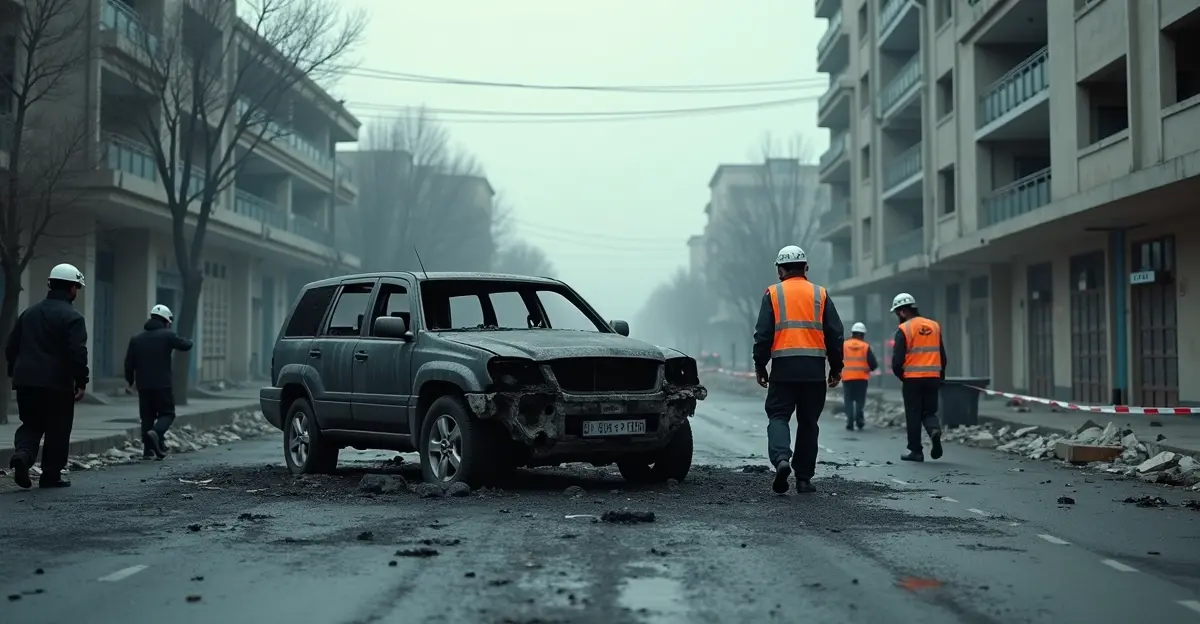
The Russian Foreign Ministry warned that the attacks could trigger a 'humanitarian, economic and possibly radiological catastrophe' in the region and accused the U.S. and Israel of 'plunging the Middle East into an abyss of uncontrolled escalation.' This warning comes amid reports of Iranian retaliatory strikes that have killed at least 6 people in Israel's Beit Shemesh and caused significant disruption across the region.
Key implications of the crisis include:
- Regional Destabilization: The conflict threatens to expand beyond Iran-Israel tensions
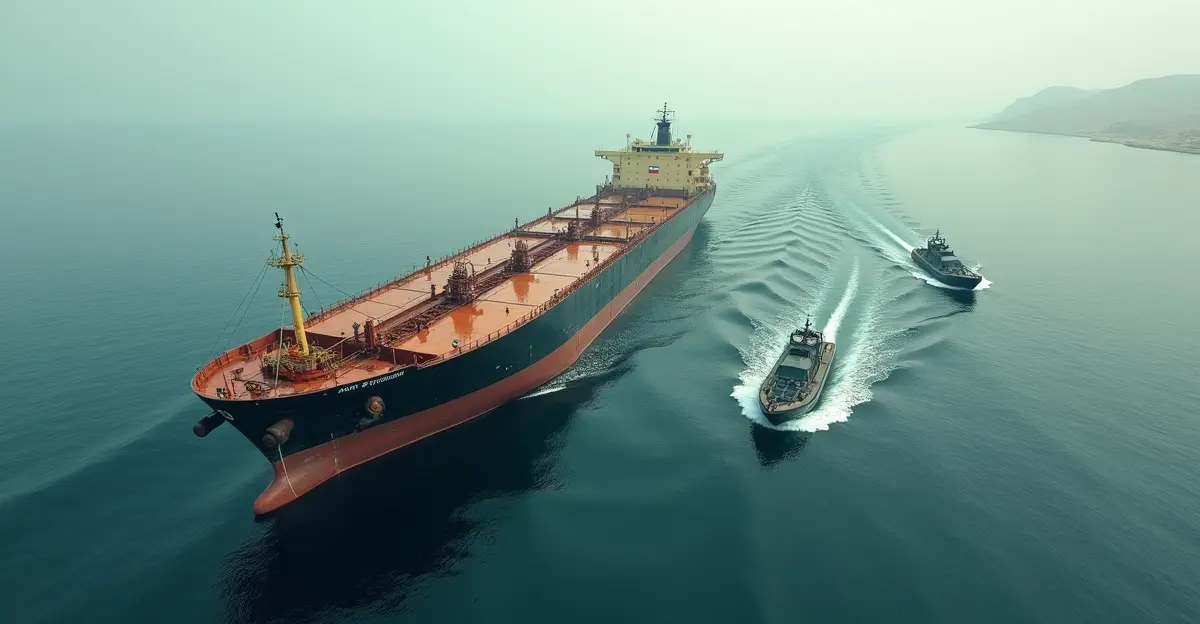
- Global Energy Markets: Oil prices have surged following attacks on shipping in the Strait of Hormuz
- Diplomatic Realignment: Russia's strong support for Iran signals deepening anti-Western alliances
- Humanitarian Crisis: Hundreds of thousands of travelers stranded by flight disruptions
The situation represents a critical test for international diplomacy and the United Nations Security Council effectiveness in managing major power conflicts.
Frequently Asked Questions (FAQ)
What did Putin say about Khamenei's death?
Vladimir Putin called the death of Ali Khamenei a 'cynical violation of all norms of human morality and international law' and described it as 'illegal aggression' in a formal letter to Iranian President Masoud Pezeshkian on March 1, 2026.
How did Khamenei die?
Ali Khamenei was killed on February 28, 2026, during coordinated U.S.-Israeli airstrikes on Iran. The attacks reportedly targeted senior regime members and resulted in approximately 40 casualties among Iranian leadership.
What is the Russia-Iran strategic partnership?
Russia and Iran have developed a comprehensive strategic partnership involving military cooperation (weapons and technology exchange), economic ties despite sanctions, and diplomatic alignment on Middle East issues, including Russia's supply of Shahed drones to Iran.
How has North Korea responded?
North Korea condemned the attacks as 'illegal aggression' and 'violation of national sovereignty' in a March 1, 2026 statement, aligning with Russia's position against U.S. and Israeli actions.
What are the regional implications?
The conflict threatens regional stability, has disrupted global energy markets, caused humanitarian concerns with stranded travelers, and signals potential realignment of international alliances in the Middle East.

Follow Discussion