Nederlands
 English
 Deutsch
 Français
 Español
 Português






US Shifts Defense Strategy, Puts Burden on Allies
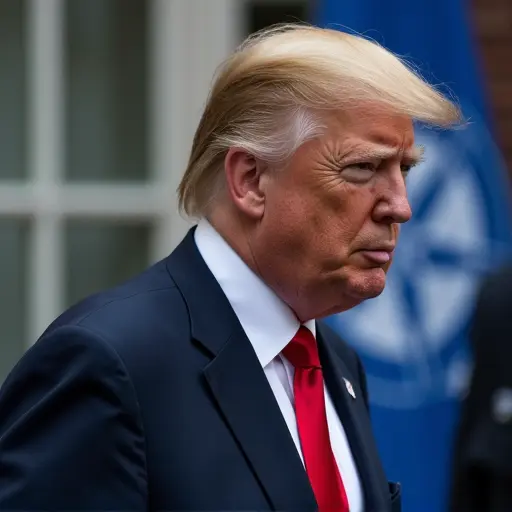
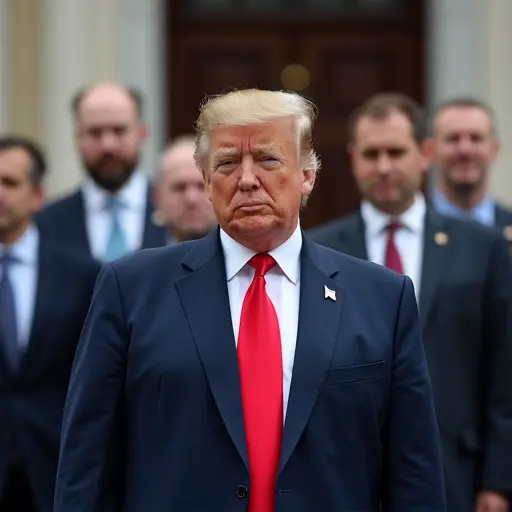
The Pentagon has released its 2026 National Defense Strategy, marking a significant shift in American foreign policy that tells allies they must take primary responsibility for their own security. The 34-page document, signed by Defense Minister Hegseth, represents a clear continuation of the Trump administration's 'America First' approach to global security.
Limited Role in Korea, Europe
The strategy outlines a 'more limited' role for the United States in deterring North Korea, stating that South Korea is now capable and willing to handle the threat with reduced American support. 'There is a greater chance for lasting peace on the Korean Peninsula with a less substantial U.S. presence,' the document states. Currently, there are approximately 28,500 U.S. troops stationed in South Korea, though the strategy doesn't specify whether this number will be reduced.
For Europe, the message is similar: 'In Europe and other areas, allies will take the lead against threats that are less severe for us but more severe for them, with critical but more limited support from the United States.' This primarily addresses the threat from Russia, with European nations expected to take initial responsibility for their own defense.
Focus on Western Hemisphere
The strategy emphasizes homeland defense as the top priority, with renewed focus on the Western Hemisphere. Key areas mentioned include maintaining access to the Panama Canal and Greenland, along with building the Golden Dome missile defense system. 'This is not a strategy of isolation,' the Pentagon emphasizes, 'but there is greater focus on American interests across all fronts.'
The document notably mentions President Trump 47 times and represents a departure from the Biden administration's 2022 strategy that focused on China as America's main challenge. While China is described as the world's most powerful nation after the U.S., the strategy states the U.S. is not seeking direct confrontation but wants to prevent Chinese dominance in the Indo-Pacific region.
NATO Spending Requirements
The Pentagon says it will closely monitor whether countries adhere to agreements made at last year's NATO summit in The Hague, where member states agreed to increase defense spending to 5 percent of gross domestic product per country. This represents a significant increase from the previous 2 percent target that many European nations struggled to meet.
European leaders have expressed concern about the shift. As one European diplomat noted anonymously, 'This represents a fundamental change in transatlantic relations that could have lasting consequences for European security architecture.'
The strategy follows the White House's security strategy released in early December, which was described by European officials as a 'frontal attack on Europe' filled with harsh words about NATO and Europe's future.
Congressional Pushback
Congress is already moving to limit the Pentagon's ability to reduce troop levels in Europe and South Korea through the 2026 National Defense Authorization Act. The legislation would prevent force reductions in Europe below 76,000 troops without congressional certification that such moves wouldn't harm U.S. or NATO security interests.
For South Korea, the bill sets a floor of 28,500 troops and requires the Pentagon to assure Congress that any drawdown wouldn't weaken deterrence against North Korea. These restrictions come amid concerns about potential Pentagon plans to reduce forces in both regions.
The National Defense Strategy is produced every four years and serves as the Department of Defense's capstone strategic guidance, translating the National Security Strategy into broad military guidance for planning, force posture, and modernization.