Global South Demands Bigger G20 Influence

Developing nations intensify demands for greater G20 influence, challenging traditional power structures through reform proposals focused on representation, debt relief and climate finance.

Global South Demands Bigger G20 Influence
Facebook X LinkedIn Bluesky WhatsApp
de flag en flag es flag fr flag nl flag pt flag

Power Shift in Global Economic Governance

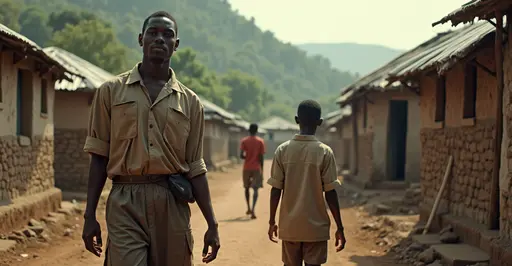
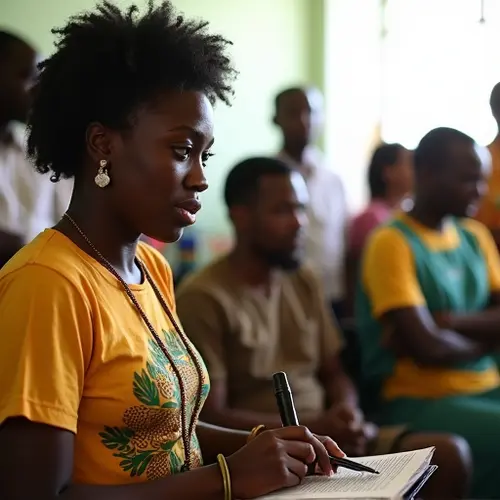
The G20 faces mounting pressure from developing nations demanding greater representation in global economic decision-making. Countries across Africa, Asia, and Latin America argue the current structure doesn't reflect their growing economic importance.

Historical Imbalance Challenged

Since its 1999 founding, the G20 has been dominated by wealthy nations despite representing 85% of global GDP and 56% of the world's population. The 2023 inclusion of the African Union was a step forward, but Global South leaders say it's insufficient.

"The current architecture perpetuates colonial-era power dynamics," stated Nigerian Finance Minister Zainab Ahmed. "We bring solutions to climate change, debt crises, and supply chain resilience that deserve equal consideration."

2025 Reform Momentum

Under South Africa's presidency, the G20 is focusing on solidarity, equality and sustainability principles. The July 2025 BRICS summit declaration explicitly demanded "greater Global South participation commensurate with economic weight."

Key demands include:

  • Permanent African Union voting rights
  • Debt relief mechanisms for climate-vulnerable nations
  • Reformed IMF quota systems

Resistance remains from some traditional powers, but experts note the bloc's combined $45 trillion GDP gives leverage. "The Global South isn't asking for charity," said economist Jayati Ghosh. "They're demanding rightful participation in shaping rules affecting their economies."

Related

Climate Finance Gap Explained: Why COP29's $300 Billion Deal Fails Developing Nations
Environment
AI relevance 94.4%

Climate Finance Gap Explained: Why COP29's $300 Billion Deal Fails Developing Nations

COP29 secured $300 billion annually by 2035 but fell $1 trillion short of developing nations' needs. This climate...

COP29 Climate Finance: How $300 Billion Deal Reshapes Global Power Dynamics | Analysis
Environment
AI relevance 88.9%

COP29 Climate Finance: How $300 Billion Deal Reshapes Global Power Dynamics | Analysis

COP29's $300 billion annual climate finance deal reshapes global power dynamics, creating new economic dependencies...

Climate Finance Stalemate: How COP29's $300 Billion Deal Reveals Deepening North-South Divides
Environment
AI relevance 83.3%

Climate Finance Stalemate: How COP29's $300 Billion Deal Reveals Deepening North-South Divides

COP29's $300 billion climate finance deal rejected by developing nations as insufficient, revealing deep North-South...

COP29's $300 Billion Climate Finance Deal: Strategic Implications for Global Energy Transition
Environment
AI relevance 77.8%

COP29's $300 Billion Climate Finance Deal: Strategic Implications for Global Energy Transition

COP29 secured a $300 billion annual climate finance deal for developing countries by 2035, tripling previous...

COP29 Climate Finance Deal: Strategic Analysis of $300B Impact on Energy & Geopolitics
Environment
AI relevance 72.2%

COP29 Climate Finance Deal: Strategic Analysis of $300B Impact on Energy & Geopolitics

COP29's $300B annual climate finance deal reshapes global energy transition and geopolitical relations. The gap...

Global Debt Summit Opens in Geneva as Nations Seek Solutions to $11.4 Trillion Crisis
Economy
AI relevance 66.7%

Global Debt Summit Opens in Geneva as Nations Seek Solutions to $11.4 Trillion Crisis

Global creditors and debtors meet in Geneva to negotiate solutions to the $11.4 trillion developing world debt...