


 Deutsch
 English
 Español
 Français
 Nederlands
 Português


 Share
Share




What is the COP29 Climate Finance Deal?
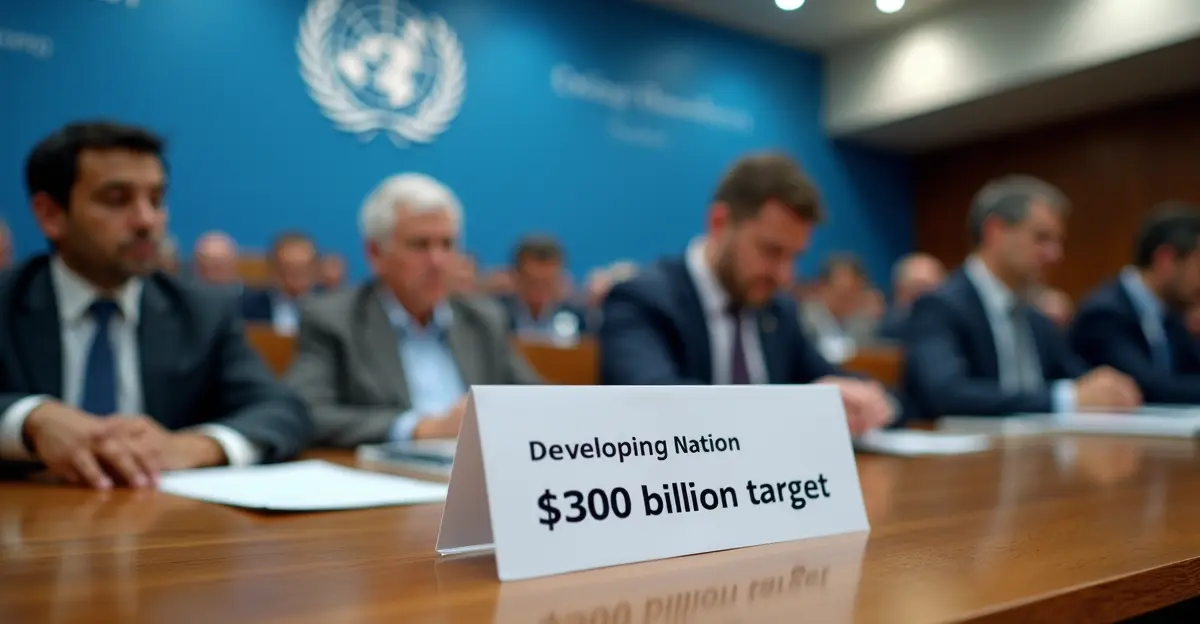
The COP29 climate finance agreement represents a landmark $300 billion annual commitment from developed nations to developing countries, establishing a new financial architecture that will reshape global energy transition dynamics and geopolitical relations for the next decade. Concluded in November 2024 in Baku, Azerbaijan, this New Collective Quantified Goal (NCQG) triples the previous $100 billion target but falls significantly short of the estimated $1.3 trillion needed annually by 2035 for effective climate action. This strategic gap between pledged funds and actual requirements creates both opportunities and vulnerabilities in global climate governance, positioning climate finance as a powerful geopolitical instrument rather than merely economic assistance.
Context and Background of the Landmark Agreement
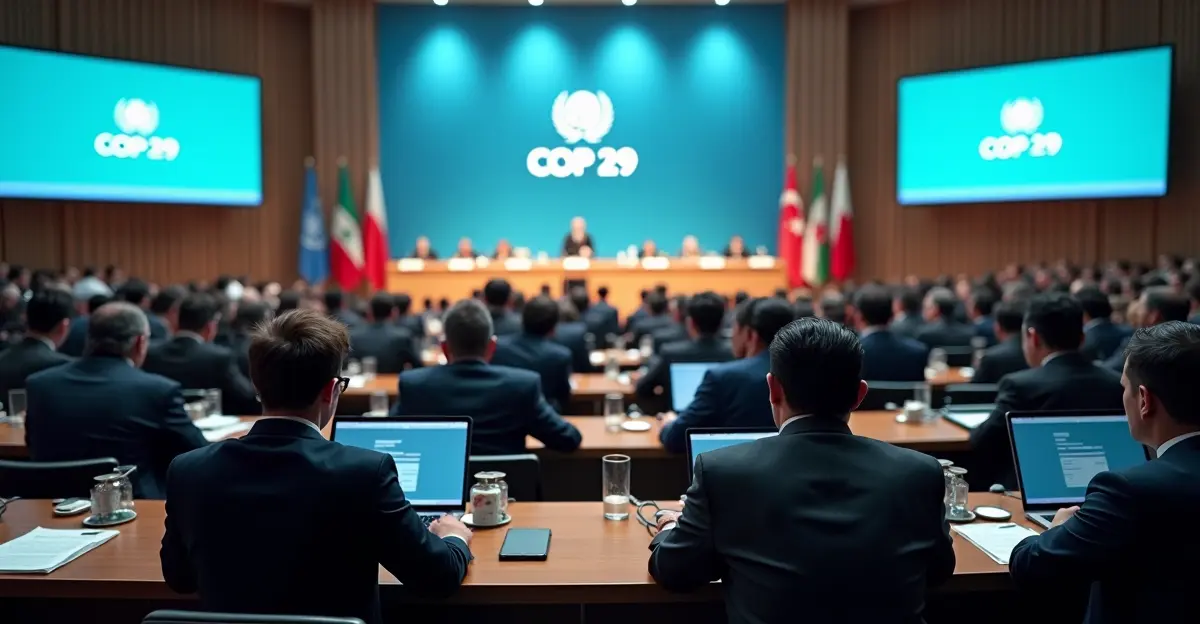
The 2024 United Nations Climate Change Conference (COP29) marked the first 'Finance COP' focused specifically on mobilizing resources for climate action. Held in Baku, Azerbaijan from November 11-22, 2024, the conference concluded with developed nations pledging at least $300 billion annually in climate finance, with an overall target of reaching at least $1.3 trillion by 2035. The agreement establishes a new collective quantified goal to replace the expiring $100 billion target that had been in place since 2009. According to UN reports, while UN Secretary-General António Guterres called the deal "a base to build on," many developing nations criticized it as "insultingly low" compared to their requested $1 trillion. The summit also achieved agreement on rules for a UN-backed global carbon market, extension of gender and climate change programs, and support for least developed countries' adaptation plans.
The choice of Azerbaijan as host nation proved controversial given its status as a major oil and gas producer, with critics arguing the location risked legitimizing fossil fuel interests. This context mirrors previous challenges seen during the COP28 Dubai negotiations, where fossil fuel phaseout commitments faced similar resistance. The geopolitical tensions surrounding the conference highlight how climate finance has evolved from collaborative global action into a complex instrument of international relations.
Strategic Implications for Global Energy Transition
Financial Architecture and Market Dynamics
The $300 billion annual commitment creates a new financial architecture that will significantly influence energy markets and technology development. According to World Resources Institute analysis, the agreement includes recognition of voluntary contributions through multilateral development banks and calls for enabling $1.3 trillion in total finance by 2035. This structure creates multiple leverage points where developed nations can exert influence through bilateral agreements and multilateral institutions, often imposing conditions that can affect national sovereignty in recipient countries.
The gap between the $300 billion pledged and the $1.3 trillion needed represents both a challenge and opportunity. As noted in UNCTAD analysis, the actual need should be closer to $900 billion from 2025, reaching $1.46 trillion by 2030. This shortfall means developing nations must prioritize certain energy transition projects over others, creating strategic dependencies and potential vulnerabilities in their development pathways.
Technology Development and Innovation Pathways
The climate finance deal will accelerate specific technology sectors while potentially neglecting others. Renewable energy projects, particularly solar and wind, are likely to receive significant funding given their established commercial viability and alignment with donor priorities. However, emerging technologies like green hydrogen, advanced energy storage, and carbon capture may face funding challenges unless specifically prioritized by donor nations. This selective funding approach creates technological dependencies that could shape global energy markets for decades, similar to patterns observed during the renewable energy subsidy wars of the 2010s.
Geopolitical Balance and North-South Relations
New Leverage Points in International Relations
Climate finance flows are transforming from economic tools into powerful geopolitical instruments that reshape global power dynamics. Developed countries now exert influence through multilateral institutions and bilateral agreements, creating what analysts describe as "climate conditionality" where funding comes with specific policy requirements. This dynamic creates a fundamental tension between the Global North's view of climate finance as discretionary aid versus the Global South's perspective that it represents climate justice and compensation for historical emissions.
The agreement establishes what experts call "climate debt leverage," where developing nations' access to funding depends on their alignment with donor priorities. This creates new geopolitical realities where climate vulnerable nations must navigate complex relationships with multiple donor countries and institutions, potentially fragmenting traditional alliances and creating new diplomatic challenges.
Regional Implications and Strategic Competition
Different regions will experience the climate finance deal's impacts unevenly. Small island developing states and least developed countries face particular challenges in accessing the limited funds, while larger emerging economies with established financial systems may secure disproportionate shares. This disparity risks exacerbating existing inequalities within the Global South and creating new divisions among developing nations competing for limited resources.
The agreement also opens opportunities for middle powers to increase their influence through bilateral climate finance initiatives, potentially challenging traditional donor-recipient hierarchies. Countries like China, India, and Brazil could leverage their growing economic power to establish alternative climate finance mechanisms outside the UN framework, creating parallel systems that reflect different geopolitical priorities.
Expert Perspectives on the Financial Gap
Climate finance experts express mixed views on the strategic implications of the $300 billion to $1.3 trillion gap. "The funding shortfall creates both vulnerabilities and opportunities," notes Dr. Maria Chen, climate finance analyst at Stanford University. "While developing nations face constrained resources, the gap also creates space for innovative financing mechanisms and private sector engagement that could ultimately prove more sustainable than traditional aid models."
However, critics argue the gap represents a fundamental failure of climate justice. "The $300 billion commitment is a political compromise that fails to address historical responsibility," says Amina Jallow, director of the African Climate Finance Initiative. "When developed nations emit 92% of excess historical emissions but provide only a fraction of needed finance, we're not addressing the root causes of climate inequality." This perspective highlights how the finance gap reflects deeper geopolitical tensions that will shape climate negotiations for years to come.
Frequently Asked Questions
What is the COP29 climate finance deal?
The COP29 climate finance deal is a landmark agreement where developed nations pledged $300 billion annually to developing countries for climate action, tripling the previous $100 billion target but falling short of the estimated $1.3 trillion needed by 2035.
How does the $300 billion compare to actual needs?
The $300 billion represents only about 23% of the estimated $1.3 trillion needed annually by 2035 for effective climate action in developing nations, creating a significant funding gap that will shape energy transition priorities and create strategic dependencies.
What are the geopolitical implications of climate finance?
Climate finance has evolved into a geopolitical instrument where donor nations exert influence through funding conditions, creating new leverage points in international relations and potentially exacerbating North-South tensions over climate justice and historical responsibility.
How will the deal affect global energy markets?
The selective funding of certain energy technologies over others will accelerate specific sectors (like solar and wind) while potentially neglecting emerging technologies, creating technological dependencies that could shape global energy markets for decades.
What happens next after COP29?
The "Baku to Belém Roadmap" establishes a process to develop options for reaching the $1.3 trillion target by COP30 in Brazil, with a critical review scheduled for 2030 to assess implementation and address ongoing gaps in climate finance delivery.
Future Outlook and Strategic Considerations
The COP29 climate finance deal establishes a new baseline for global climate action but leaves critical questions unanswered about implementation, equity, and effectiveness. As nations position themselves within this new financial architecture, strategic competition for influence will intensify, particularly as the gap between pledged funds and actual needs creates both vulnerabilities and opportunities. The coming years will test whether climate finance can evolve from a geopolitical instrument into a genuine mechanism for climate justice and equitable energy transition, or whether it will reinforce existing power imbalances in the global system.
The success of the agreement will depend not only on the quantity of funds mobilized but on their quality, accessibility, and alignment with recipient nations' priorities. As the world moves toward COP30 in Belém, Brazil, the strategic implications of the COP29 finance deal will continue to unfold, shaping global energy transition dynamics and geopolitical relations for the next decade and beyond.
Sources
United Nations Climate Change Conference (COP29) outcomes, World Resources Institute analysis, UNCTAD climate finance assessments, Stanford University geopolitical analysis, and multilateral development bank climate finance reports.

Follow Discussion