Nederlands
 English
 Deutsch
 Français
 Español
 Português
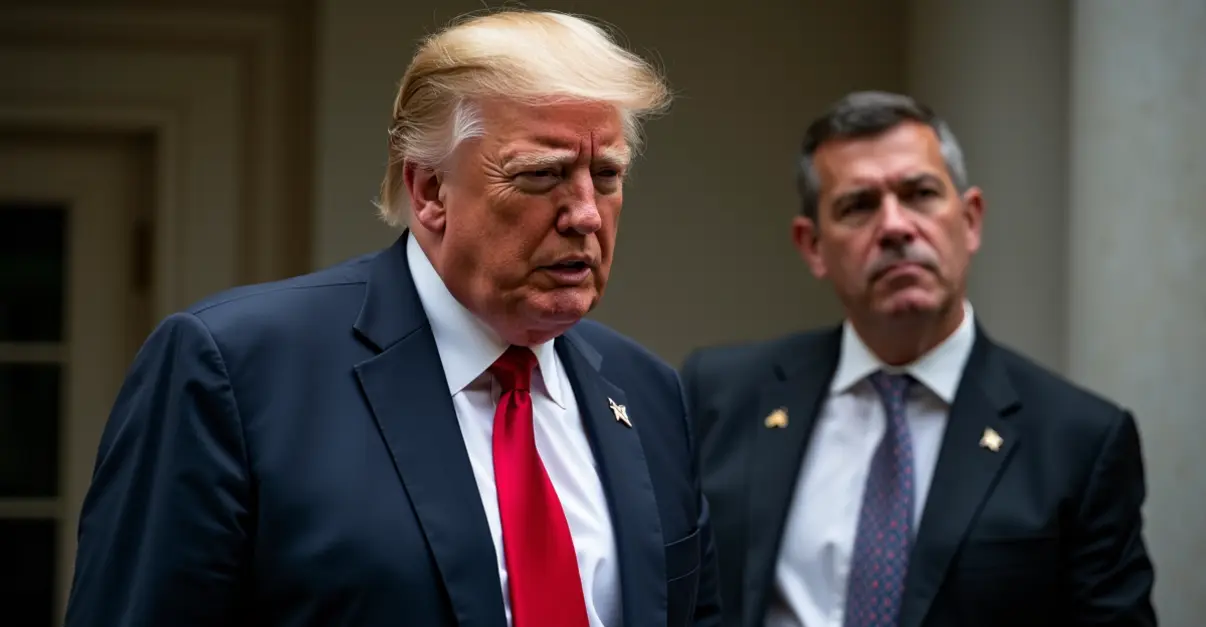





Former President Files Massive Lawsuit Against Banking Giant
Former President Donald Trump has filed a staggering $5 billion lawsuit against JPMorgan Chase and its CEO Jamie Dimon, alleging the banking giant closed his accounts and those of related entities for political reasons in early 2021. The lawsuit, filed in Florida state court, represents one of the largest financial lawsuits Trump has ever pursued against a major corporation.
Political Discrimination Allegations
Trump claims that JPMorgan Chase made a 'unilateral decision' to close his accounts after decades of banking with them, targeting him based on what he calls 'unsubstantiated, woke beliefs.' According to the legal documents, the bank allegedly closed multiple Trump accounts in February 2021 without explanation and with only 60 days' notice.
'The bank has in effect blocked the plaintiffs' accounts because the company believed the political climate at that time was in its favor,' states the complaint filed in Miami-Dade County, Florida.
The lawsuit alleges that JPMorgan violated Florida's Fair Access to Banking law, which prohibits financial institutions from denying services based on political or religious beliefs. The law, which took effect in July 2024, extends protections against what Florida officials call 'discrimination' by financial institutions.
JPMorgan's Response and Regulatory Context
JPMorgan Chase has strongly denied the allegations, stating the lawsuit has 'no merit' and that account closures were due to legal or regulatory risks, not political reasons. A bank spokesperson told CNBC: 'We close accounts because they pose legal or regulatory risks to the company. We regret having to do this, but rules and legal requirements often force us to do so.'
The bank added that it has been asking both current and previous administrations to change the rules and regulations that put them in this position, and supports government efforts to prevent the banking system from being used as a weapon.
Historical Context and Banking Relationships
Trump had maintained banking relationships with JPMorgan Chase for decades before the alleged account closures. The lawsuit claims the bank placed Trump, the Trump Organization, related entities, and even members of Trump's family on a blacklist accessible to federally regulated banks.
This legal action comes amid ongoing tensions between Trump and major corporations, particularly following the January 6 Capitol attack and his departure from the White House. Trump had previously stated in August that banks had discriminated against him in the past, claiming JPMorgan had asked him to close accounts he had held for decades.
Legal Precedents and Industry Impact
The case could set important precedents for how financial institutions handle accounts of politically prominent individuals. Florida's banking laws, which have been expanded in recent years, specifically prohibit denying services based on political opinions, religious beliefs, or affiliations.
According to Consumer Finance Monitor, Florida's legislation establishes a complaint process through the Florida Office of Financial Regulation, requiring institutions to respond within 90 days. Financial institutions found in violation may face fines and could be deemed to have violated the Florida Deceptive and Unfair Trade Practices Act.
Broader Implications for Banking Industry
The lawsuit highlights the growing tension between business practices and political neutrality in the financial sector. As the largest bank in the United States and the world's largest bank by market capitalization as of 2025, according to Wikipedia, JPMorgan Chase's actions are closely watched by regulators and competitors alike.
The case also comes at a time when similar legislation is emerging in other states like Tennessee, reflecting a broader multi-state movement against using environmental, social, and governance (ESG) factors in corporate decisions.
Trump's personal attorney Alejandro Brito, who has been involved in Trump's lawsuits against media companies like ABC News and the BBC for defamation, filed the lawsuit. The legal team claims the bank violated the 'implied covenant of good faith and fair dealing' between banks and customers.
As this high-stakes legal battle unfolds, it will test the boundaries of banking regulations, political expression, and corporate responsibility in an increasingly polarized financial landscape.