


 Deutsch
 English
 Español
 Français
 Nederlands
 Português


 Share
Share




The World Meteorological Organization (WMO) warned on 3 September 2026 that the current El Niño could become the strongest in 40 years, with a near 100% probability it will persist through February 2027. If it continues like this, it could be the strongest since our monitoring began, said WMO Secretary-General Celeste Saulo. The UN agency says the weather phenomenon will have very large global impacts on precipitation and temperature in the coming months, raising major risks of floods and extreme heat.
What is El Niño and why is this one exceptional?
El Niño is the warm phase of the El Niño–Southern Oscillation (ENSO), a recurring climate pattern driven by variations in winds and sea surface temperatures over the tropical Pacific Ocean. It develops when waters in the central-eastern equatorial Pacific warm and disrupt normal wind and ocean currents. The WMO reports that the current event is firmly established as of mid-August 2026, with the Niño 3.4 index at +2.2 to +2.6°C and subsurface temperatures more than 8°C above average. El Niño sea surface temperature anomalies now rank it among just four very strong events since 1950.
Forecast and regional impacts
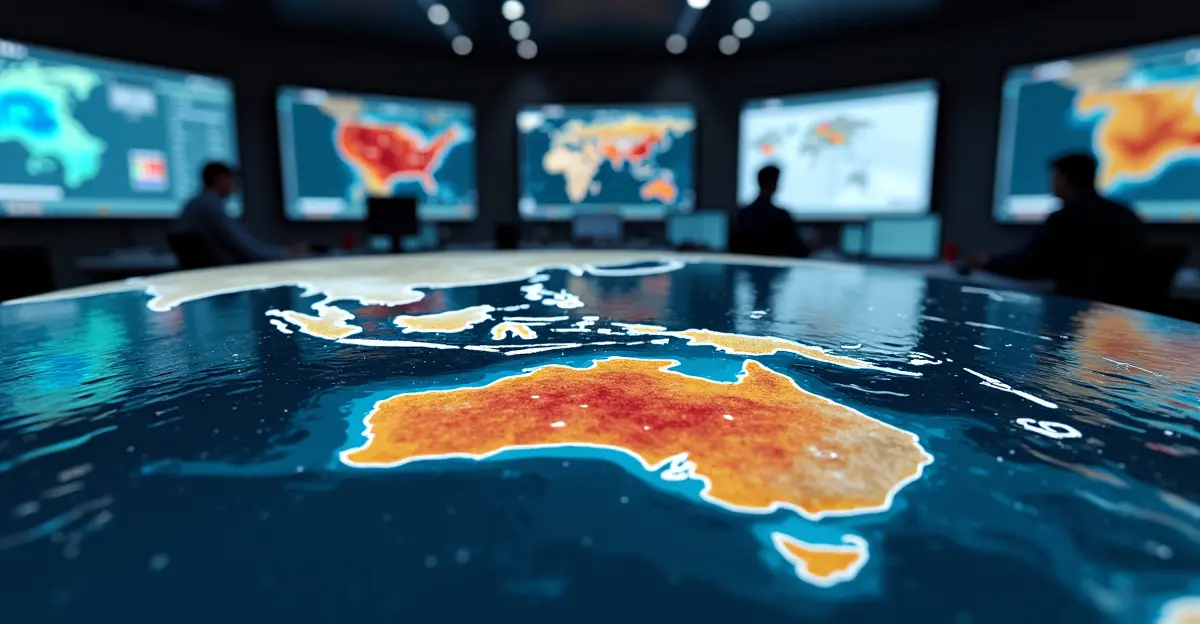
Seasonal forecasts from WMO Global Producing Centres show a nearly 100% probability that El Niño will persist through September–November 2026 and December 2026–February 2027. The event is expected to reach very strong intensity before peaking toward the end of the year, with effects lasting well into 2027. Typical impacts include wetter conditions in the Greater Horn of Africa, parts of Central Asia, Southern Europe, Western North America and Southeastern South America. Drier conditions are likely over the Indian subcontinent, southern and eastern Australia, parts of the Caribbean, and Northern Europe.
Above-normal temperatures are forecast across almost all land areas for September–November 2026. The WMO notes that a positive Indian Ocean Dipole may further modify regional impacts. Indian Ocean Dipole climate patterns could amplify drought, floods and wildfire risk, especially around the Indian Ocean basin.
Already visible destruction
Saulo warned that El Niño is already causing disruption. El Niño is able to deliver hard blows to communities and economies, she said. We are already seeing the disruption and destruction that droughts and floods bring. We expect them to increase as El Niño strengthens. This exceptional El Niño requires exceptional preparation and an exceptional response.
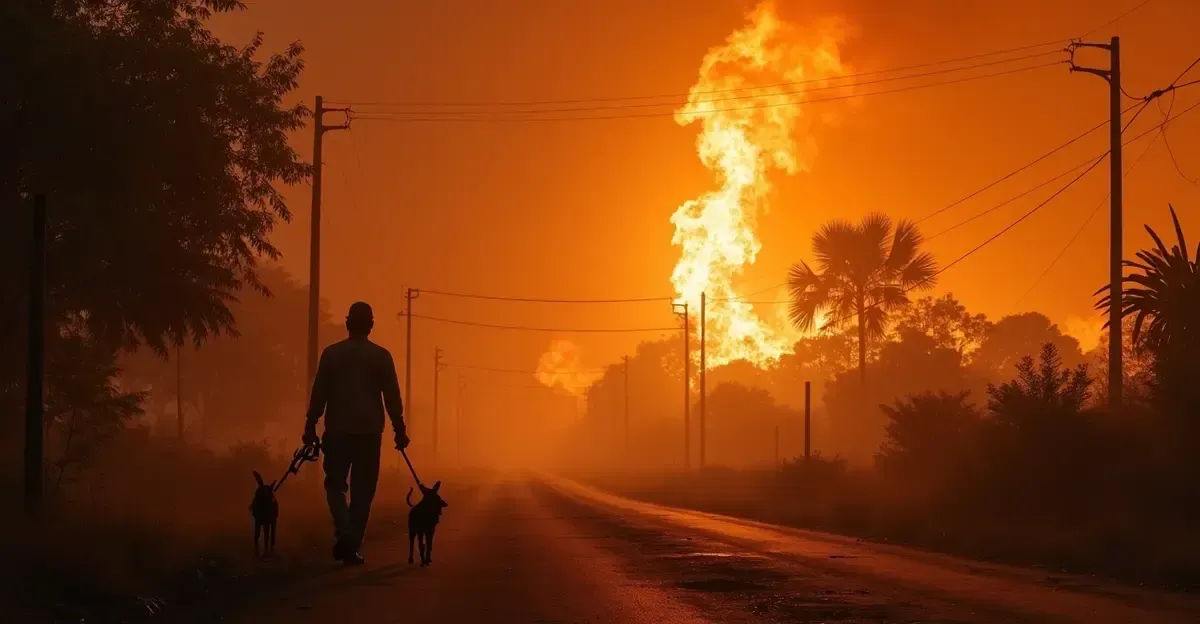
The phenomenon has already triggered a severe food crisis across Central America's Dry Corridor, according to the WMO. Farmers in Guatemala, Honduras and El Salvador are facing failed harvests and depleted water reserves, forcing communities to rely on emergency aid.
Global implications and European effects
UN Secretary-General António Guterres said: We are seeing El Niño grow before our eyes. The science leaves no doubt: we are in uncharted waters and those waters are warming. Sea water temperatures are rising, temperatures are rising, and the world is facing extreme weather.
While the direct weather effects on the European continent are negligible, the indirect consequences could be significant. global food supply chain disruptions caused by failed harvests in Asia, the Americas, Africa and Australia are likely to be felt in European supermarkets through higher food prices and supply chain delays. The previous El Niño in 2023 set numerous weather records, and this event could push 2027 to become the warmest year on record.
FAQ
How strong will the 2026 El Niño be?
The WMO says it could become the strongest in 40 years, with a near 100% chance of persisting through February 2027. It is forecast to reach very strong intensity, with sea surface temperatures already more than 2°C above normal.
What are the main impacts of El Niño?
El Niño typically brings wetter conditions to the Horn of Africa, Central Asia, Southern Europe and parts of the Americas, while causing drier conditions in the Indian subcontinent, Australia, the Caribbean and Northern Europe. It also raises global temperatures and increases flood, drought and wildfire risks.
When will the effects peak?
The WMO expects the strongest effects toward the end of 2026, with consequences lasting well into 2027, which could become the warmest year on record.
Does El Niño affect Europe directly?
Direct weather impacts on Europe are negligible, but failed harvests elsewhere can affect European food prices and supply chains.
What is the difference between El Niño and La Niña?
El Niño is the warm phase of ENSO, while La Niña is the cooler phase. They alternate irregularly every two to seven years and have opposite effects on global weather patterns.


Follow Discussion