


 Deutsch
 English
 Español
 Français
 Nederlands
 Português


 Share
Share




Red Cross Issues Urgent Warning as El Niño Threatens Global Food and Water Supplies
The International Red Cross has raised the alarm over the impending impacts of the 2026 El Niño event, warning that it could trigger severe food and water shortages across multiple vulnerable regions simultaneously. The organization is already pre-positioning emergency supplies including food, water, and hygiene kits in at-risk areas, particularly across Africa, the Middle East, and parts of Asia.
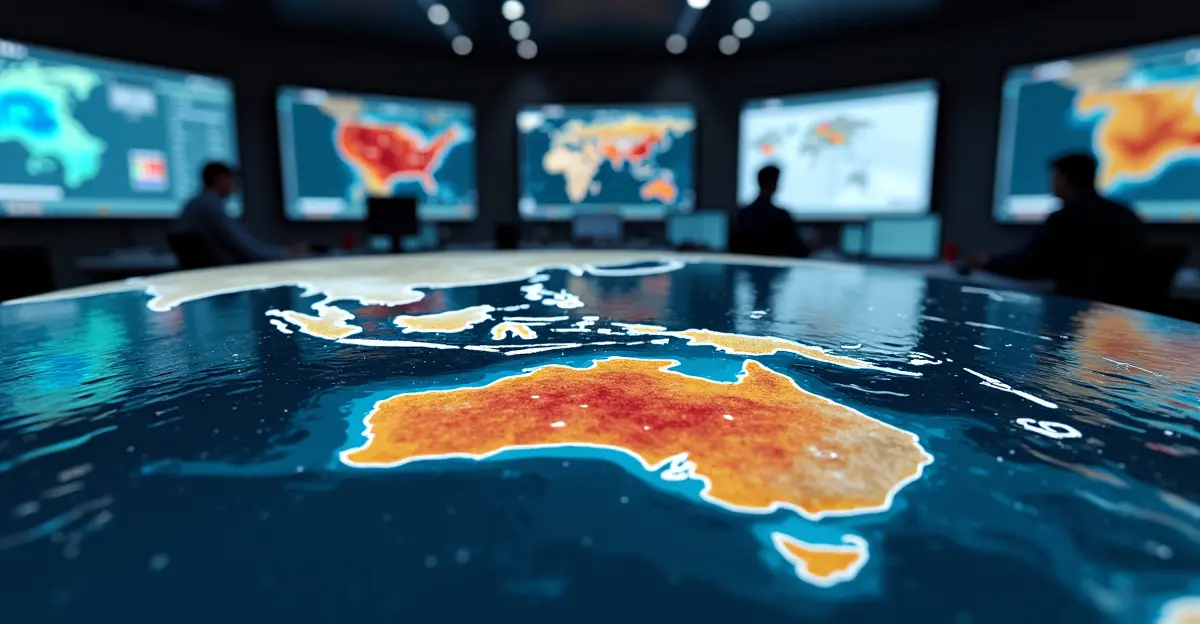
According to the U.S. National Oceanic and Atmospheric Administration (NOAA), El Niño conditions officially formed in mid-2026, with a 63% probability of becoming a historically strong event — potentially one of the most intense since records began in 1950. The European Commission's Joint Research Centre (JRC) has similarly described the incoming El Niño as "potentially historic," warning it will exacerbate drought, flood, heat, and storm conditions worldwide.
What Is El Niño and Why Does It Matter?
El Niño is a climate phenomenon that occurs every two to seven years when sea surface temperatures in the tropical Pacific Ocean rise significantly above normal. This disrupts atmospheric circulation patterns, leading to extreme weather across the globe — from droughts in some regions to torrential rains and floods in others. The current event follows the end of a La Niña phase earlier in 2026, which had a cooling effect.
The impact of climate change on extreme weather is compounding the risks. Climate change raises baseline temperatures and intensifies rainfall extremes, and El Niño adds an extra layer of disruption on top of these trends.
Regions Most at Risk
Africa: Drought and Hunger Threaten Millions
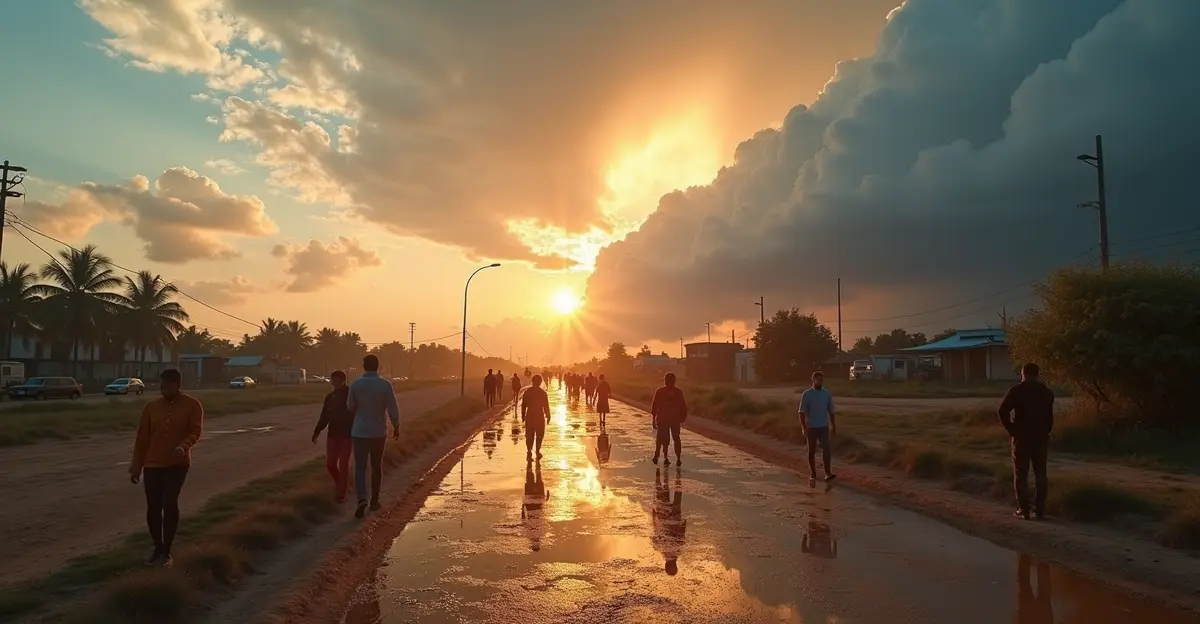
In Sudan and South Sudan, already grappling with conflict and humanitarian crises, El Niño-driven drought could lead to widespread crop failure and famine. The Red Cross warns that families living in displacement camps or already food-insecure will be hit hardest. In Somalia, the country faces a potential double disaster of extreme drought followed by severe flooding. The JRC report highlights Central Africa, Sudan, Somalia, South Sudan, and Chad as critical hotspots.
Asia and the Middle East
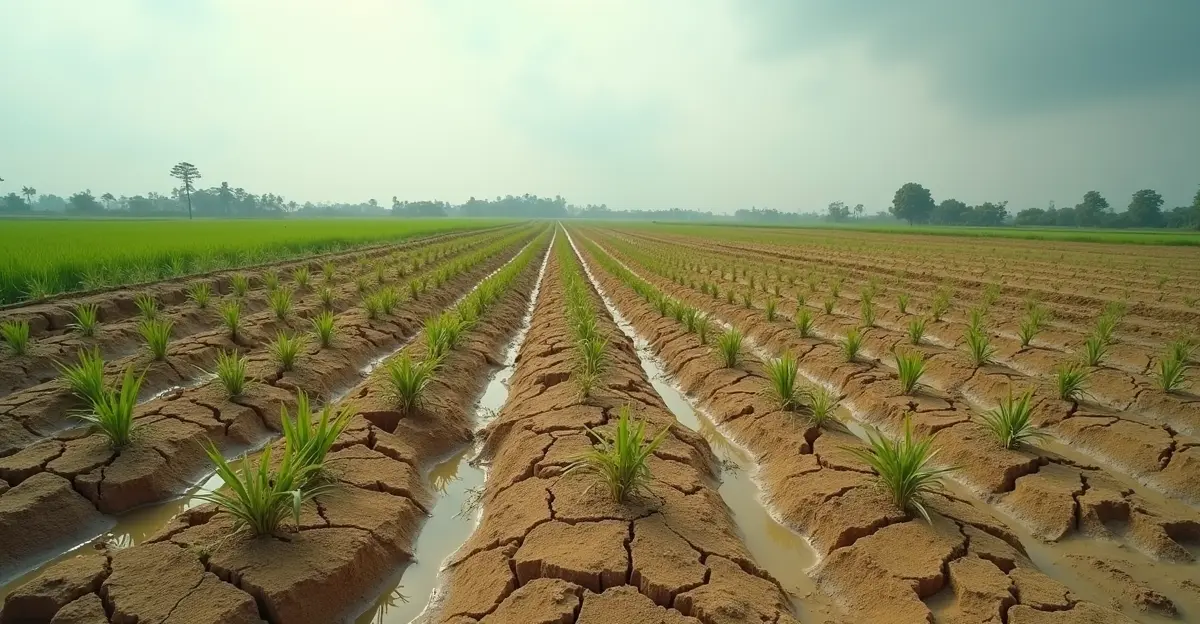
Bangladesh is similarly threatened by both drought and floods, while the Middle East is expected to face severe water shortages. The combination of already high food prices — driven by the ongoing conflict in the Middle East and elevated fuel and fertilizer costs — with El Niño-related crop failures could push millions into food insecurity.
Latin America
Countries like Ecuador, Venezuela, and Haiti are also on the front line. The 2023 El Niño already brought record-breaking heat and weather extremes; the 2026 event is forecast to be even stronger, with sea surface temperature anomalies potentially exceeding 3°C in the equatorial Pacific.
What the Red Cross Is Doing
Harm Goossens, director of the Netherlands Red Cross, stated: "Extreme weather always hits the people who have the least the hardest. That is terribly unfair. Think of families already living in refugee camps. Or people who already have too little to eat every day. They will be hit three times as hard by drought, floods, or extreme heat. That only increases the chance of food shortages and disease."
The Red Cross is taking proactive measures: pre-positioning food and water supplies, distributing drought-resistant seeds to farmers, helping bring in harvests early, filling water tanks, and providing financial support to vulnerable families to cope with price spikes. The organization emphasizes that early action is not only more effective but also more cost-efficient.
This approach is part of a broader shift in humanitarian strategy toward anticipatory action. The JRC similarly stresses that early warnings provide a critical window to pre-position resources and release anticipatory funding to mitigate the worst impacts. The role of early warning systems in disaster preparedness is becoming increasingly vital as extreme weather events become more frequent.
Global Economic and Humanitarian Implications
The JRC analysis warns that global food prices will shift unevenly, with durum wheat prices rising sharply. Disruptions to agriculture, fisheries, and supply chains could have cascading effects on global stability. The intersection of climate shocks and conflict-driven food insecurity is a growing concern for international aid organizations.
NOAA and the World Meteorological Organization (WMO) have both called for heightened preparedness. The last major El Niño in 2023-2024 broke numerous global temperature records; the 2026 event is shaping up to be even more consequential.
Frequently Asked Questions
What is El Niño?
El Niño is the warm phase of the El Niño-Southern Oscillation (ENSO), characterized by above-average sea surface temperatures in the central and eastern tropical Pacific Ocean. It disrupts global weather patterns, often causing drought in some regions and heavy rainfall in others.
How long will the 2026 El Niño last?
El Niño events typically last 9–12 months. The current event is expected to persist through early 2027, with peak intensity likely in late 2026.
Which countries will be most affected?
The most vulnerable countries include Sudan, South Sudan, Somalia, Ethiopia, Chad, Bangladesh, Haiti, Ecuador, Venezuela, and parts of Central America and the Middle East.
How is climate change related to El Niño?
Climate change raises global temperatures and can amplify the effects of El Niño, making heatwaves hotter, droughts more severe, and rainfall more intense. While El Niño is a natural cycle, its impacts are worsened by a warming planet.
What can be done to prepare?
Humanitarian organizations recommend early pre-positioning of supplies, anticipatory cash transfers, distribution of drought-resistant seeds, strengthening water storage infrastructure, and improving early warning systems to enable timely evacuations and aid delivery.



Follow Discussion