


 Deutsch
 English
 Español
 Français
 Nederlands
 Português


 Share
Share




Drought and Displacement Crisis in the Horn
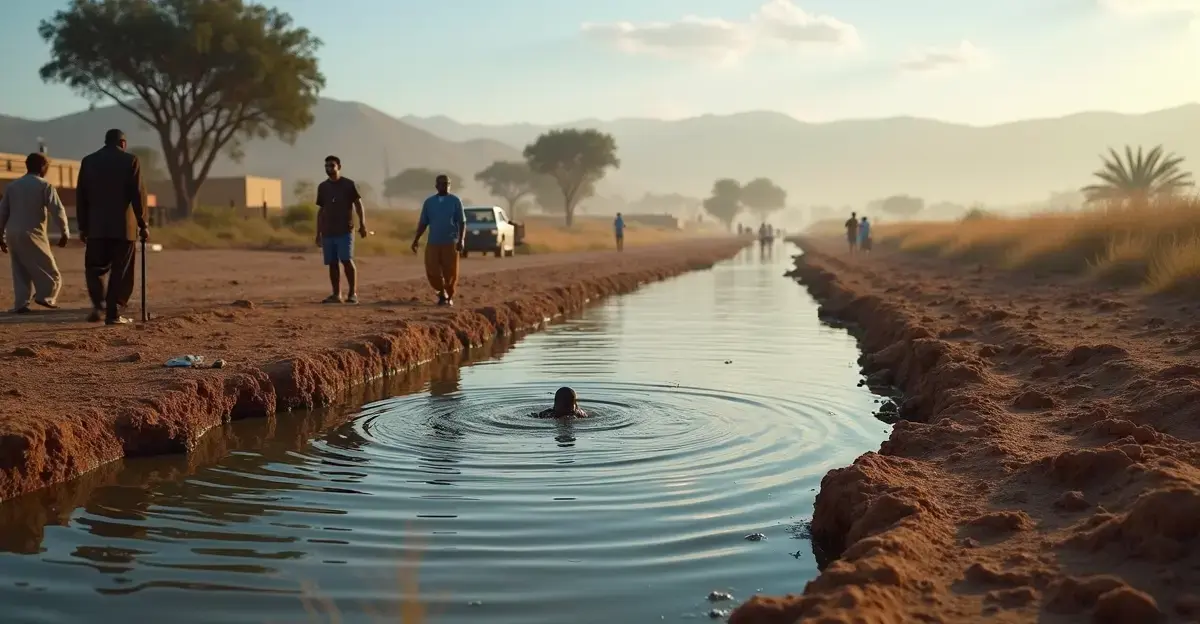
The Horn of Africa is experiencing unprecedented drought-driven displacement as climate change intensifies water stress across Somalia, Ethiopia, and Kenya. A 2025 study reveals over 3 million people have been displaced regionally since 2020 due to consecutive failed rainy seasons. The Internal Displacement Monitoring Centre reports Somalia alone accounts for 1.2 million internally displaced persons (IDPs), with drought compounding existing conflicts.
Climate Change Accelerates Water Crisis
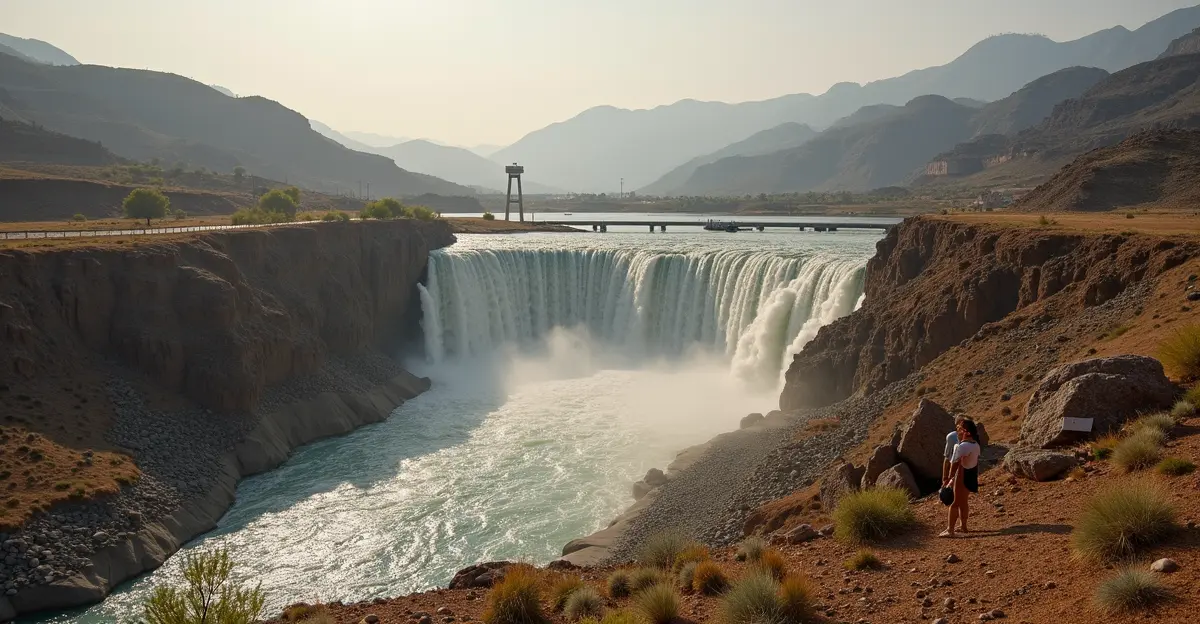
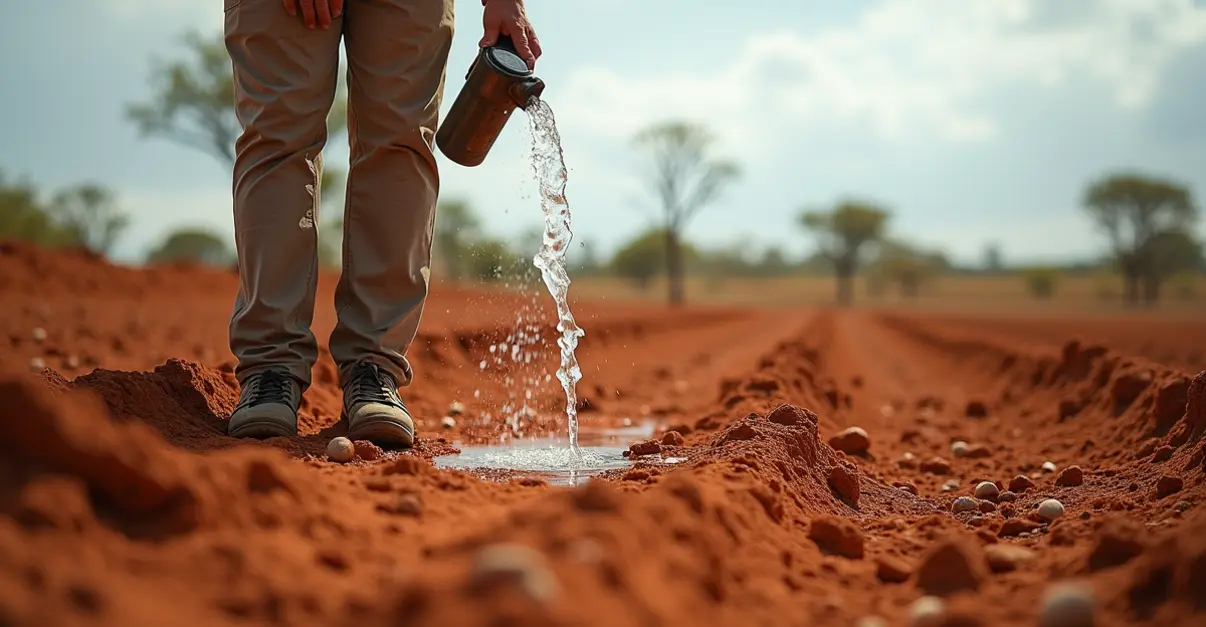
Scientific analysis shows global warming has intensified the water cycle, causing extreme weather patterns. The Horn now experiences longer droughts punctuated by intense flooding when rains finally arrive. NASA data indicates regional temperatures have risen 1.5°C above pre-industrial levels, evaporating critical water sources like the Jubba and Shabelle rivers.
Policy Responses and Regional Cooperation
Regional governments are implementing innovative responses:
- Ethiopia's Drought Resilience Project builds water catchment systems
- Somalia's National Adaptation Plan prioritizes climate-displaced communities
- IGAD's cross-border early warning system alerts communities 72hrs before droughts
The African Union recently expanded its refugee framework to include "climate-displaced persons," though implementation remains challenging. Kenya's National Drought Management Authority coordinates with UN agencies to establish mobile health units in displacement camps.
Community-Led Solutions Emerge
In Somaliland, women-led water committees manage new borehole projects. "We map dry seasons and ration water collectively," explains Fadumo Ahmed, a community leader in Hargeisa. These grassroots initiatives have reduced conflict over resources by 40% according to UNDP assessments.
Future Projections and International Aid
The World Bank estimates climate change could displace 86 million Africans by 2050 without intervention. The EU recently pledged €150 million for Horn of Africa water infrastructure, while the African Development Bank launched the Desert-to-Power solar initiative to power water pumps across the Sahel.
As UN Secretary-General António Guterres stated: "The Horn of Africa shows how climate disruption fuels humanitarian crises. Global solidarity isn't charity - it's survival."



Follow Discussion