


 Deutsch
 English
 Español
 Français
 Nederlands
 Português


 Share
Share




Climate Migration: How Rising Seas Reshape Borders
Climate migration has emerged as one of the most pressing global challenges of our time, with rising sea levels fundamentally altering human geography and forcing nations to reconsider traditional border concepts. As coastal communities face unprecedented displacement, international law and policy frameworks are undergoing dramatic transformations to address what experts call 'the world's silent crisis.' This comprehensive analysis examines displacement patterns, legal implications, and emerging policy responses to climate-induced migration in 2025-2026.
What is Climate Migration?
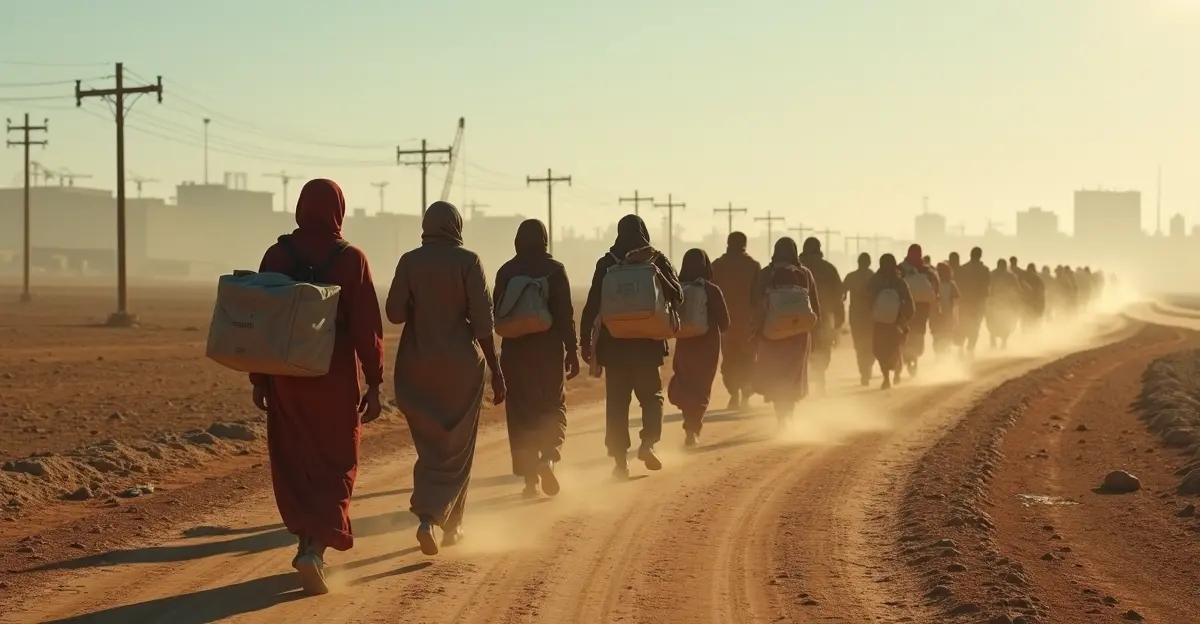
Climate migration refers to population movement driven by climate-exacerbated disasters, including sea-level rise, prolonged droughts, desertification, and extreme weather events. According to the United Nations High Commissioner for Refugees (UNHCR), approximately 20 million people are forcibly displaced annually by weather-related events, with the majority moving internally within their own countries. The Global Displacement Forecast Report 2025 projects an additional 6.7 million forcibly displaced persons by the end of 2026, bringing the total to over 130 million globally.
Sea-Level Rise and Border Transformations
The 2025 International Court of Justice (ICJ) Advisory Opinion on climate change represents a landmark moment in international law, addressing how rising seas affect maritime boundaries and statehood. The Court clarified that the UN Convention on the Law of the Sea (UNCLOS) does not obligate states to update coastal baselines due to sea-level rise, affirming the right to maintain established maritime boundaries. This decision provides crucial legal stability for vulnerable low-lying states facing territorial loss.
Legal Implications for Disappearing Nations
Perhaps most significantly, the ICJ stated that statehood does not necessarily end if a state's territory becomes submerged, addressing existential threats to small island nations like Tuvalu and the Marshall Islands. These nations have enacted domestic laws establishing permanent maritime zones, creating precedents for how international law adapts to climate realities. The International Law Commission's 2025 report documents widespread state support for maintaining baselines despite physical coastline changes.
Displacement Patterns and Regional Impacts
Climate migration patterns reveal complex regional dynamics. In Bangladesh, one of the world's most vulnerable nations, research presents counterintuitive findings: people continue migrating toward vulnerable coastlines throughout the 21st century rather than away from them. A study using an empirically calibrated agent-based model with ~4.8 million simulated migrants exposed to 871 coastal flooding scenarios shows flooding accelerates a transition from agricultural to non-agricultural income opportunities, with coastal cities offering the most abundant livelihood alternatives.
Bangladesh's Migration Paradox
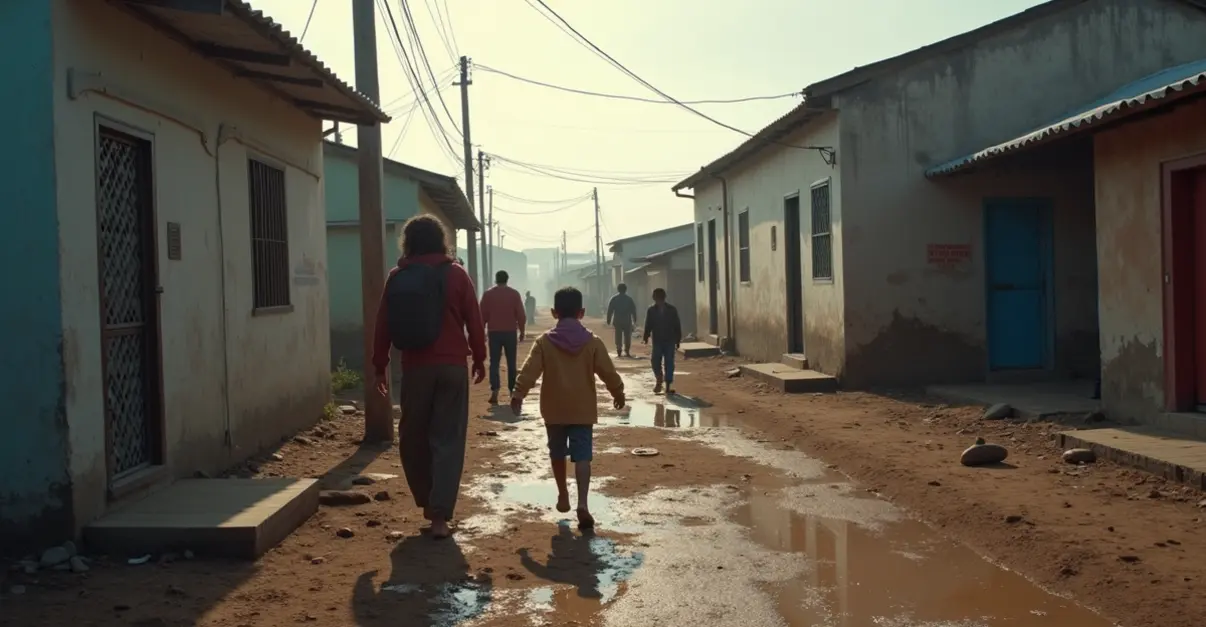
Bangladesh faces severe climate-induced migration threats, with approximately 110,000 internal displacements annually from natural disasters. Dhaka receives around 400,000 low-income migrants yearly, creating slum settlements with over 3 million residents lacking basic utilities. Climate change could displace 13.3 million people in the next 30 years, disproportionately affecting women and creating significant economic impacts, including potential GDP losses of 9% during severe flooding.
Policy Responses and Managed Retreat
Governments are developing diverse policy responses to climate migration, ranging from managed retreat programs to legal recognition frameworks. A 2025 Nature Communications article presents a framework for analyzing climate-related planned relocations based on two key questions: whether communities consent to relocation and whether they receive adequate external support. The research identifies four types of relocation scenarios and emphasizes that relocations are most successful when they are both consensual and well-supported.
Four Types of Relocation Scenarios
- Consensual, well-supported relocations (most successful)
- Consensual but poorly supported relocations
- Non-consensual but well-supported relocations
- Non-consensual, poorly supported relocations (least successful)
The authors stress that consent must be freely given, based on understanding consequences, and that support should be culturally appropriate and adequate. They also note that levels of consent and support can change over time, requiring continuous re-affirmation throughout the relocation process.
International Legal Frameworks and Gaps
Few existing international frameworks provide adequate protection to climate migrants, creating what experts call a 'legal gray zone.' Environmental refugees lack formal recognition under international refugee law, which doesn't cover climate-related displacement. However, the 2025 ICJ advisory opinion establishes UNCLOS as a primary legal framework for defining states' climate obligations, confirming that greenhouse gas emissions constitute marine pollution under UNCLOS and activating obligations to prevent, reduce, and control such pollution.
Emerging Legal Principles
The International Law Commission's 2025 report addresses critical legal implications of rising sea levels, including impacts on maritime boundaries, statehood, sovereignty, and territorial integrity. It examines how climate-induced sea-level rise affects fundamental principles of international law, particularly concerning baselines, exclusive economic zones, and the legal status of disappearing territories. This work represents a significant effort to develop legal frameworks for one of the most pressing challenges of climate change.
Economic and Social Impacts
The economic consequences of climate migration are staggering. In Bangladesh alone, tropical cyclones cost $1 billion annually, with agricultural losses potentially reaching one-third of agricultural GDP by 2050, threatening over half the nation's employment. Government social services struggle to meet disaster victims' needs, with climate action requiring $12.5 billion (3% of GDP). Cities worldwide face challenges absorbing climate migrants, leading to housing shortages and strained resources.
Future Outlook and Solutions
Solutions being explored include managed retreat programs, climate-resilient infrastructure, and improved early-warning systems to make migration more humane and planned. The World Bank estimates over 216 million people could become internal climate migrants by 2050, though some projections estimate up to 1 billion migrants when considering ecological threats, conflict, and civil unrest. Addressing these challenges requires integrated, anticipatory approaches including inclusion of displaced populations in national health systems, expansion of mobile and cross-border health services, and restoration of humanitarian funding.
Frequently Asked Questions
What is climate migration?
Climate migration refers to population movement driven by climate-exacerbated disasters like sea-level rise, droughts, and extreme weather events, affecting millions globally each year.
How does sea-level rise affect international borders?
The 2025 ICJ advisory opinion clarified that states have no obligation to update maritime baselines due to sea-level rise, providing legal stability for vulnerable coastal nations facing territorial loss.
What are the main policy responses to climate migration?
Key responses include managed retreat programs, legal recognition frameworks, climate-resilient infrastructure, and international cooperation on displacement governance.
How many people are affected by climate migration?
The UNHCR estimates 20 million people are displaced annually by weather-related events, with projections of 216 million internal climate migrants by 2050.
What legal protections exist for climate migrants?
Few international frameworks provide adequate protection, creating a legal gray zone, though the 2025 ICJ opinion establishes UNCLOS as a key framework for climate obligations.




Follow Discussion