


 Deutsch
 English
 Español
 Français
 Nederlands
 Português


 Share
Share




How Beavers Are Protecting London from Climate Change Flooding
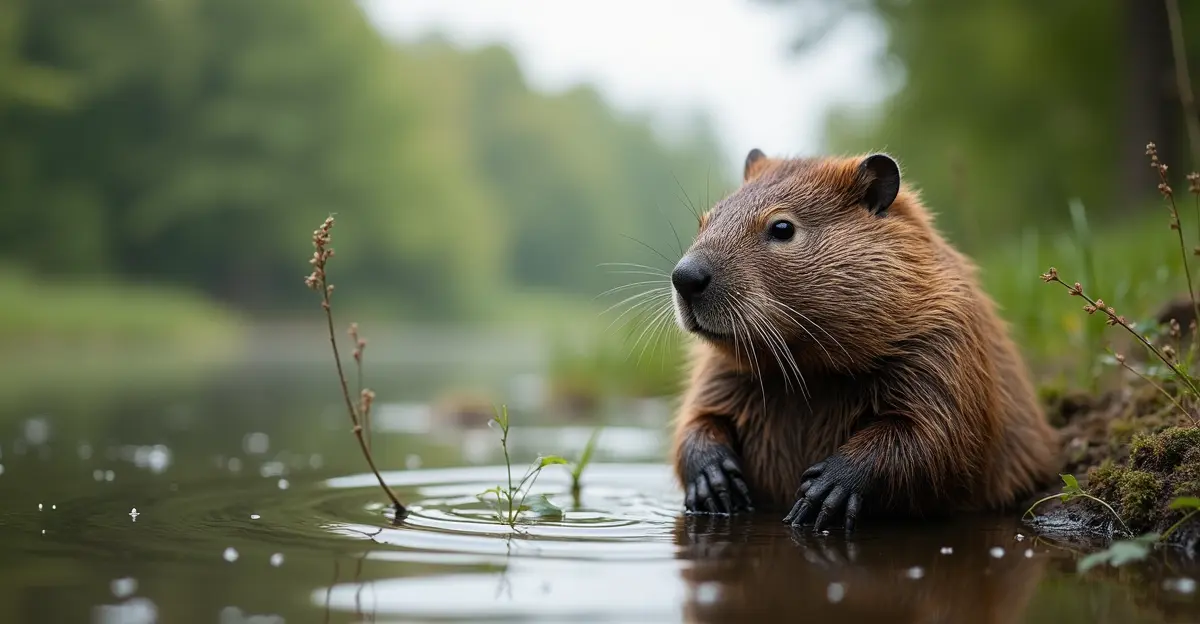
In the fight against climate change, London has found an unlikely but highly effective ally: beavers. The Ealing Beaver Project in West London has demonstrated that reintroducing Eurasian beavers can prevent urban flooding, boost biodiversity, and store carbon — all at a fraction of the cost of traditional infrastructure. Since their release in October 2023 at Paradise Fields in Greenford, a family of five beavers has built seven dams, creating a natural sponge that has kept the nearby Greenford Tube station dry through three consecutive wet winters.
What Is the Ealing Beaver Project?
The Ealing Beaver Project is a pioneering urban rewilding initiative that released a family of five Eurasian beavers — two adults and three kits — into a 20-acre wetland site called Paradise Fields, a former golf course in the London borough of Ealing. The project, funded by the Mayor of London's Rewild London Fund and supported by local wildlife groups, aims to use beavers as natural engineers to mitigate the impacts of climate change, particularly the increased flooding risk from heavier and more erratic rainfall.
Beavers had been hunted to extinction in England over 400 years ago for their fur and castoreum. Their reintroduction marks a significant step in restoring a keystone species that shapes entire ecosystems. The Eurasian beaver reintroduction programs across Europe have shown remarkable success in restoring wetland habitats.
Why Beavers? The Science Behind Natural Flood Control
Beavers are known as 'ecosystem engineers' for their ability to transform landscapes. They build dams to create deep water — at least 60 cm — for protection from predators. These dams slow the flow of water, spreading it laterally across floodplains and allowing it to soak into the ground. This creates a natural sponge effect that reduces peak flood flows downstream.
How Beaver Dams Prevent Flooding
- Water retention: Beaver dams store excess rainfall and release it slowly, preventing sudden surges that overwhelm drainage systems.
- Groundwater recharge: By pushing water onto floodplains, beavers replenish groundwater aquifers, which helps during drought periods.
- Sediment trapping: Dams capture sediment and pollutants, improving water quality downstream.
- Erosion control: Slower water flow reduces soil erosion on riverbanks and agricultural land.
According to beaver expert Willy de Koning-Bovenhoff, 'Bevers bouwen dammen als zij vinden dat het water niet diep genoeg is, want ze willen diep water voor hun veiligheid.' (Beavers build dams when they think the water is not deep enough, because they want deep water for their safety.) This instinctive behavior has proven invaluable for flood management.
Results: Greenford Station Stays Dry
Greenford Tube station, located in a low-lying area, had been repeatedly flooded during heavy rainstorms. The local council had prepared expensive engineering solutions to address the problem. However, since the beavers were introduced, the station has remained completely dry through three winters of heavy rainfall — even as winter precipitation in Britain has increased by 30% compared to historical averages.
The project has been so successful that it has attracted international attention. Similar nature-based climate solutions are being explored in other flood-prone urban areas. The beavers' work has transformed Paradise Fields into a thriving wetland ecosystem.
Beyond Flood Control: Ecological and Climate Benefits
The beavers' impact extends far beyond flood prevention. Their dam-building activities have created a mosaic of wetland habitats that support a wide range of species.
Biodiversity Boost
Since the beavers arrived, the site has seen a dramatic increase in wildlife. New species recorded include:
- 8 additional bird species
- 2 new bat species
- Freshwater shrimp
- The rare brown-streak butterfly
By felling trees, beavers open the canopy, allowing more light to reach the forest floor, which stimulates undergrowth and attracts insects and other wildlife.
Carbon Storage
Beaver wetlands are powerful carbon sinks. Wood that falls into water decomposes much more slowly, locking away carbon for centuries. Wetlands are among the most important — and most threatened — ecosystems for carbon storage globally.
Water Quality Improvement
Bacteria in beaver ponds break down nitrogen pollution and nitrates, improving water quality downstream. The dams also trap sediment that would otherwise wash away fertile topsoil from farmland.
Challenges and Limitations of Beaver Reintroduction
While the London project is a success, beaver reintroduction is not without challenges. De Koning-Bovenhoff warns that the model cannot simply be copied everywhere. 'Nederland is een klein land met heel veel postzegelgebiedjes waar mensen met bepaalde belangen wonen. Daar houden die bevers natuurlijk geen rekening mee.' (The Netherlands is a small country with many small plots where people with certain interests live. The beavers naturally don't take that into account.)
Potential issues include:
- Flooding of agricultural land: Beaver dams can flood fields and damage crops.
- Burrowing damage: Beavers dig burrows that can undermine dykes, railway lines, and other infrastructure.
- Tree damage: Beavers fell trees, which can affect gardens and commercial forestry.
In February 2025, the UK government announced a landmark policy allowing licensed wild releases of beavers in England, moving beyond the previous enclosure-only system. This followed two decades of research, including the River Otter Beaver Trial. The first licensed wild release was the National Trust's Purbeck Beaver Project in Dorset. The UK beaver reintroduction policy continues to evolve as more data becomes available.
FAQ: Beavers and Climate Change Flooding
What is the Ealing Beaver Project?
The Ealing Beaver Project is a conservation initiative that reintroduced five Eurasian beavers to Paradise Fields in West London in October 2023 to naturally manage flood risk and restore wetland ecosystems.
How do beavers prevent flooding?
Beavers build dams that slow water flow, store excess rainfall, and release it gradually. This reduces peak flood levels downstream and prevents drainage systems from being overwhelmed.
Are beavers dangerous to humans?
Beavers are generally not dangerous to humans. They are herbivores and avoid human contact. However, their dam-building and burrowing can cause property damage in certain settings.
Can beaver reintroduction work in other cities?
Yes, but success depends on local conditions. Urban areas with suitable wetland habitat and community support are good candidates. Each site requires careful planning to manage potential conflicts with infrastructure.
How many beavers are there in the UK now?
As of 2025, there are an estimated 1,500-2,000 beavers in the wild in England and Scotland, with dozens of reintroduction projects underway. The population continues to grow as new licensed releases are approved.


Follow Discussion