


 Deutsch
 English
 Español
 Français
 Nederlands
 Português


 Share
Share




Historic Launch of South Korea's First Hydrogen-Powered Tram System
Busan, South Korea's second-largest city, has officially launched the country's first zero-emission tram line, marking a significant milestone in sustainable urban transportation. The ₩724 billion (approximately $724 million) project, known as the Busan Port Line, represents one of Asia's most ambitious hydrogen transportation initiatives to date.
Innovative Energy Supply Depot Integration
The project features a groundbreaking energy supply system where hydrogen production and refueling facilities are fully integrated into the maintenance depot infrastructure. This integrated approach allows for on-site hydrogen generation using renewable energy sources, creating a closed-loop system that minimizes transportation emissions and infrastructure costs. 'Our depot integration strategy ensures that the hydrogen fueling process is as clean as the trams themselves,' explained project director Kim Ji-hoon. 'We're producing green hydrogen using solar power generated on depot rooftops, creating a truly sustainable ecosystem.'
Passenger Feedback Shapes Service Design
From the initial planning stages, the project team conducted extensive passenger feedback surveys to optimize the service. Early riders have praised the quiet, smooth operation and absence of diesel fumes. 'It's like gliding through the city without any noise or pollution,' said regular commuter Park Min-ji. 'The interior is spacious, and the ride is much smoother than traditional trams.' The feedback has already led to adjustments in seating arrangements, station accessibility features, and real-time information displays.
Comprehensive Scaling Roadmap
City officials have unveiled a detailed scaling roadmap that could see the initial 24.2-kilometer line expand to cover additional districts by 2028. The plan includes adding 15 more stations and extending service hours based on ridership data. According to transportation expert Dr. Lee Soo-min, 'This project demonstrates how hydrogen technology can scale effectively in urban environments. The modular design of both the trams and the fueling infrastructure allows for gradual expansion without massive upfront investments.'
Technical Specifications and Environmental Impact
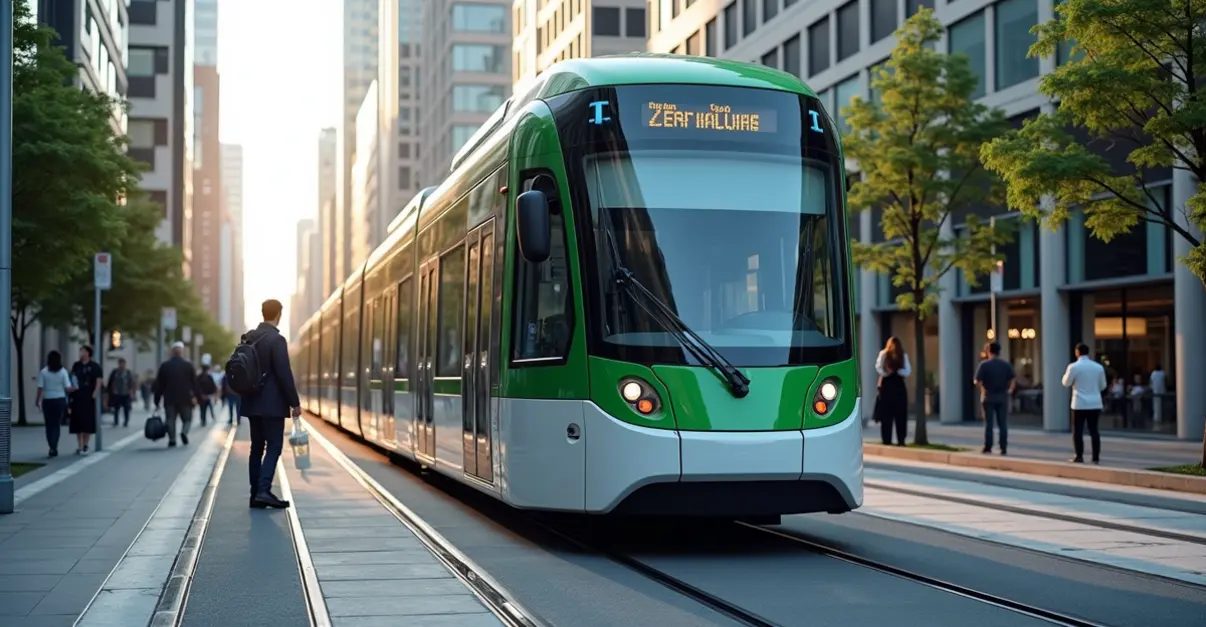
The hydrogen fuel cell trams operate without overhead wires, using wireless, catenary-free technology that preserves the city's aesthetic appeal. Each tram can travel approximately 100 kilometers on a single hydrogen tank, with refueling taking less than 15 minutes. The system is projected to reduce carbon emissions by approximately 12,000 tons annually compared to diesel-powered alternatives.
Future Expansion and Regional Implications
The success of this pilot project has already sparked interest from other Korean cities and international observers. Busan Mayor Park Heong-joon stated, 'This isn't just about transportation—it's about reimagining how cities can grow sustainably. We're creating a model that other coastal cities around the world can adapt.' The city plans to integrate the tram system with existing subway and bus networks, creating a seamless multi-modal transportation ecosystem.
As global research emphasizes the urgent need for transportation decarbonization, Busan's initiative provides a practical blueprint for cities worldwide. The project's combination of innovative technology, passenger-centered design, and scalable infrastructure offers valuable lessons for urban planners tackling the dual challenges of mobility and sustainability.




Follow Discussion