Nederlands
 English
 Deutsch
 Français
 Español
 Português






New Sustainable Tram Service Launches with Comprehensive Infrastructure Overhaul
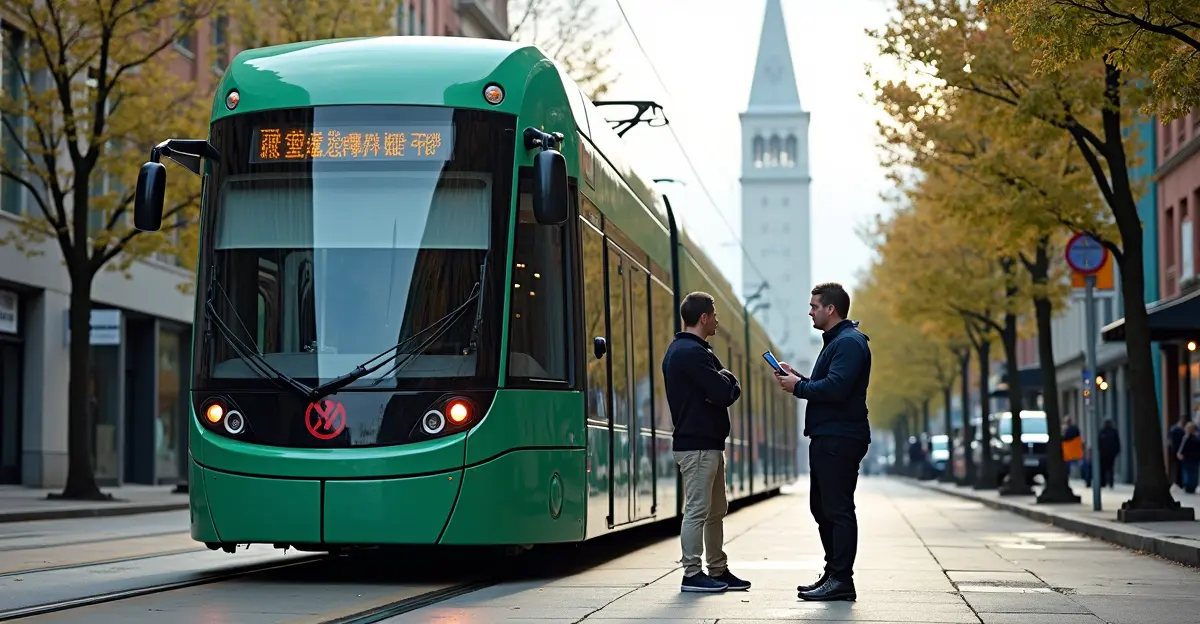
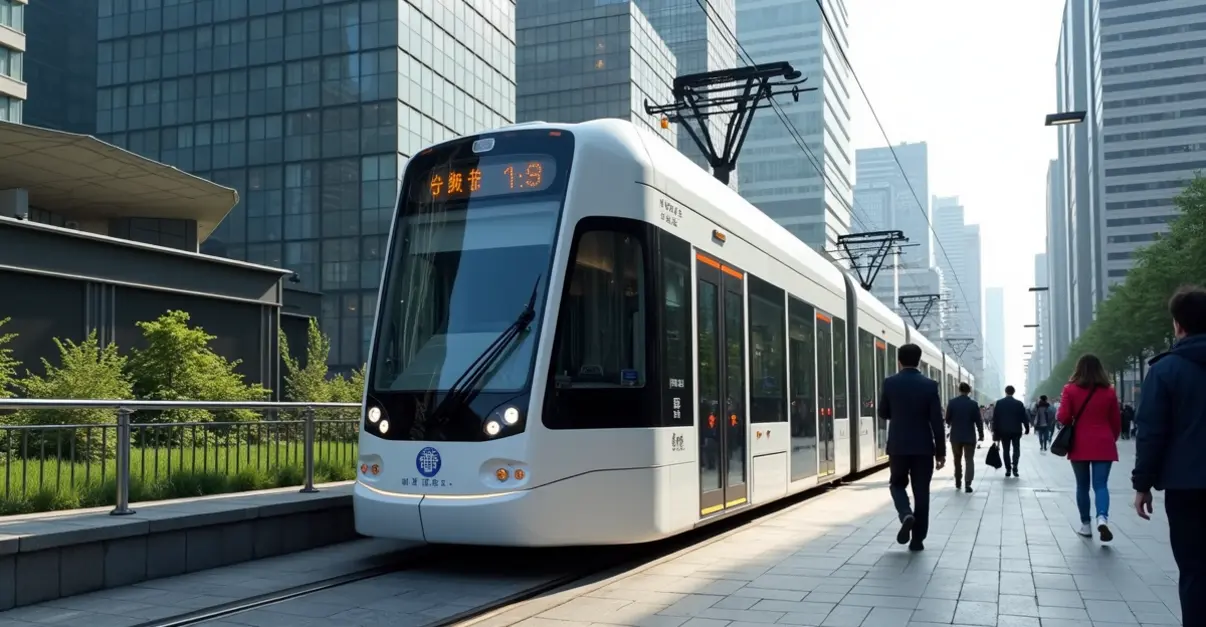
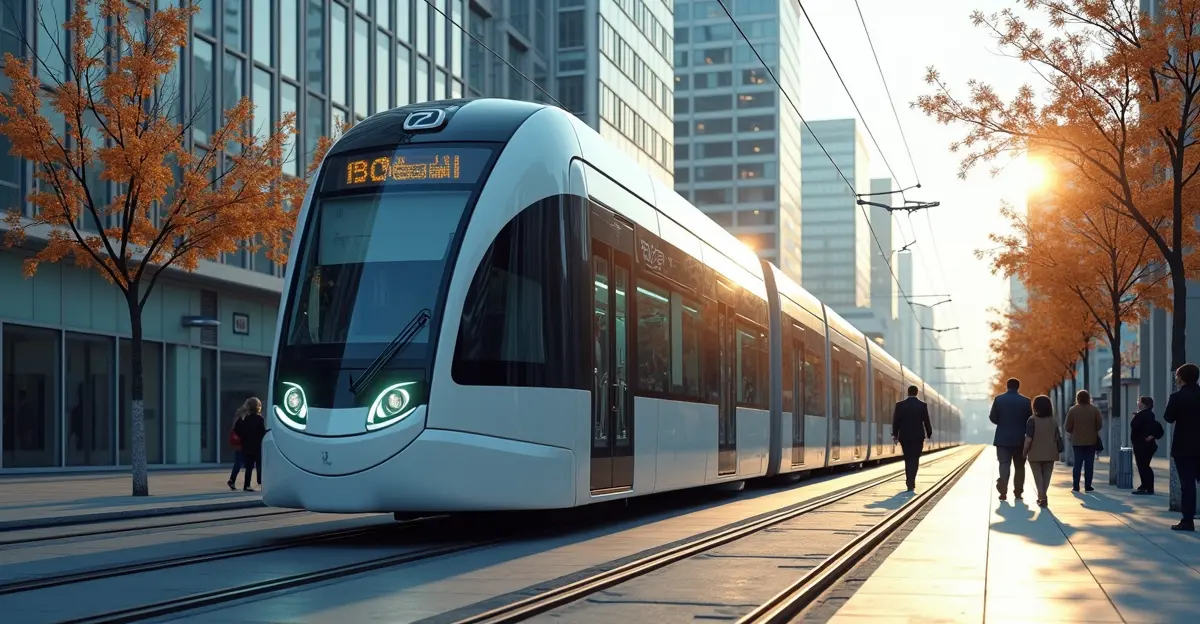
A major milestone in urban sustainable transportation was achieved this week with the official opening of a new zero-emission tram line, accompanied by significant upgrades to its energy sourcing depot and ridership planning systems. The project represents a forward-thinking approach to public transport that combines clean energy infrastructure with smart mobility solutions.
Energy Sourcing Depot: The Heart of the Operation
The newly upgraded depot serves as the operational backbone for the zero-emission tram line, featuring state-of-the-art renewable energy systems. According to project officials, the facility now includes a 5 MW solar array, 2 MW/7.35 MWh battery storage capacity, and advanced charging infrastructure capable of supporting both battery electric and hydrogen fuel cell vehicles. 'This isn't just about running trams without emissions—it's about creating an entire ecosystem of sustainable mobility,' explained transit director Maria Chen during the opening ceremony. 'Our depot now produces more clean energy than it consumes, making it a net-positive contributor to the city's grid.'
The energy upgrades follow similar initiatives seen in Montgomery County, Maryland, which is developing the nation's largest renewable energy powered transit depot with on-site green hydrogen production. Such facilities are becoming increasingly common as cities worldwide transition to zero-emission public transport.
Ridership Planning and Expansion Strategy
Beyond the physical infrastructure, the project includes sophisticated ridership planning tools designed to optimize service and guide future expansion. Real-time data analytics, predictive modeling, and integrated mobility platforms allow transit authorities to adjust schedules dynamically based on passenger demand patterns. 'We're moving from fixed schedules to responsive service,' said data analyst James Rodriguez. 'The system learns from daily patterns and can anticipate peak demand before it happens, ensuring we have the right capacity at the right time.'
This approach mirrors global trends in public transport modernization. As noted in a recent IEC report, trams are experiencing a global resurgence as sustainable urban transport solutions, with the market projected to reach over USD 2 billion by 2028. Modern systems increasingly incorporate smart technologies for improved efficiency and passenger experience.
Environmental and Community Impact
The zero-emission tram line is expected to significantly reduce local air pollution and greenhouse gas emissions. Projections indicate the system will eliminate approximately 4,000 metric tons of carbon emissions annually—equivalent to removing 850 cars from the road each year. This environmental benefit is particularly important for communities that have historically borne the brunt of transit-related pollution.
'For neighborhoods that have suffered from poor air quality for decades, this represents more than just transportation—it's about environmental justice,' commented community advocate Sarah Johnson. 'Clean public transport shouldn't be a luxury; it should be accessible to everyone.' Similar environmental justice considerations have driven projects like the MTA's zero-emission bus initiative in Queens, which specifically targets communities with high asthma rates.
Future Expansion and Global Context
The current opening represents just the first phase of a broader expansion plan. Additional tram lines are already in the planning stages, with the depot designed to accommodate future growth. The facility's modular energy systems can be scaled up as needed, while the ridership planning platform provides data-driven insights for route optimization.
This development aligns with global urban mobility trends. Cities like Nantes, France are investing hundreds of millions in tram network upgrades, while Helsinki is pursuing a €1.2 billion expansion to become a carbon-neutral '15-minute city' by 2030. These projects demonstrate how zero-emission trams are becoming central to urban sustainability strategies worldwide.
The integration of renewable energy infrastructure with smart mobility planning represents a new paradigm in public transport. As cities continue to grow and climate concerns intensify, such comprehensive approaches will likely become the standard rather than the exception in urban transportation planning.