Nederlands
 English
 Deutsch
 Français
 Español
 Português






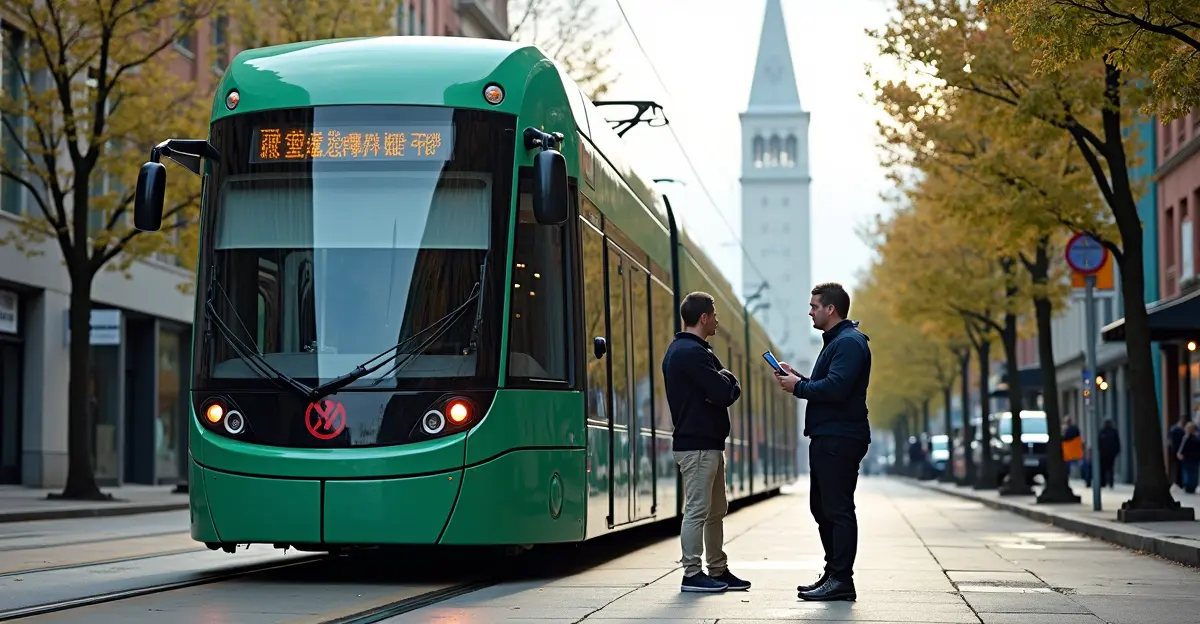
Zero Emission Tram Pilot Launch: A New Era for Public Transport
California Leads with Hydrogen-Powered Innovation
On September 13, 2025, a groundbreaking moment in public transportation history unfolded in San Bernardino, California, as North America's first hydrogen-powered passenger train officially entered service. While not a traditional tram in the strictest sense, the Stadler-built ZEMU (Zero Emission Multiple Unit) represents a revolutionary leap in zero-emission transit technology that could reshape urban mobility across the continent.
The hybrid hydrogen fuel cell and battery-electric train, operating on Metrolink's nine-mile Arrow Corridor, emits only water vapor as a byproduct, marking a significant departure from diesel-powered transit systems. 'This isn't just about replacing old trains with new ones,' said San Bernardino County Transportation Authority spokesperson Maria Rodriguez. 'It's about fundamentally reimagining how we move people through our cities without compromising our environment.'
Global Momentum for Emission-Free Transit
Across the Pacific, Busan, South Korea announced in March 2025 an ambitious ₩724 billion (approximately $724 million) investment to launch the country's first hydrogen-powered tram line. This massive infrastructure project positions the coastal city as a leader in clean energy transportation, demonstrating how urban centers worldwide are embracing zero-emission solutions.
Meanwhile, research published in Energy Reports in June 2025 analyzed the viability of Proton Exchange Membrane Fuel Cells (PEMFCs) for hydrogen-powered trams, comparing three different models for efficiency and cost-effectiveness. The study found that while a 50 kW PEMFC offers the highest energy coverage ratio, a 1.26 kW model provides the best balance between performance and affordability.
Policy Implications and Market Transformation
The California Transportation Commission's approval of $1.1 billion in transportation infrastructure investments in December 2025 signals strong governmental support for zero-emission transit. This funding, which includes $53 million for 12 clean energy locomotives for Southern California's Metrolink system, creates a powerful economic incentive for transit agencies to transition away from fossil fuels.
'What we're seeing is a perfect storm of technological advancement, policy support, and public demand,' noted transportation analyst Dr. James Chen from Stanford University. 'The zero-emission tram pilot isn't just an isolated experiment—it's the beginning of a systemic transformation in how we approach urban transportation.'
Community Impact and Environmental Benefits
For communities along transit corridors, the shift to zero-emission trams and trains offers tangible benefits beyond reduced carbon emissions. The ZEMU train in California produces approximately 50% less noise than traditional diesel trains, potentially improving quality of life for residents living near tracks. Additionally, the elimination of particulate emissions addresses long-standing public health concerns in urban areas.
In Pakistan, Lahore's launch of its first fully electric, trackless tram system—the Super Autonomous Rapid Transit (SART)—demonstrates how developing nations are also embracing zero-emission technology. The system, which can carry up to 400 passengers and travel 40km on a single charge, represents an innovative approach to urban mobility that doesn't require extensive rail infrastructure.
Challenges and Future Outlook
Despite the promising developments, significant challenges remain. Hydrogen infrastructure requires substantial investment, and the technology's cost-effectiveness compared to battery-electric alternatives continues to be debated among experts. However, as Fuel Cells Works reported, the successful launch of California's hydrogen train provides a crucial proof-of-concept that could accelerate adoption nationwide.
The transition to zero-emission trams also raises questions about workforce retraining and maintenance infrastructure. Traditional diesel mechanics will need new skills to service hydrogen fuel cells and battery systems, creating both challenges and opportunities for employment in the green economy.
A Template for Sustainable Urban Mobility
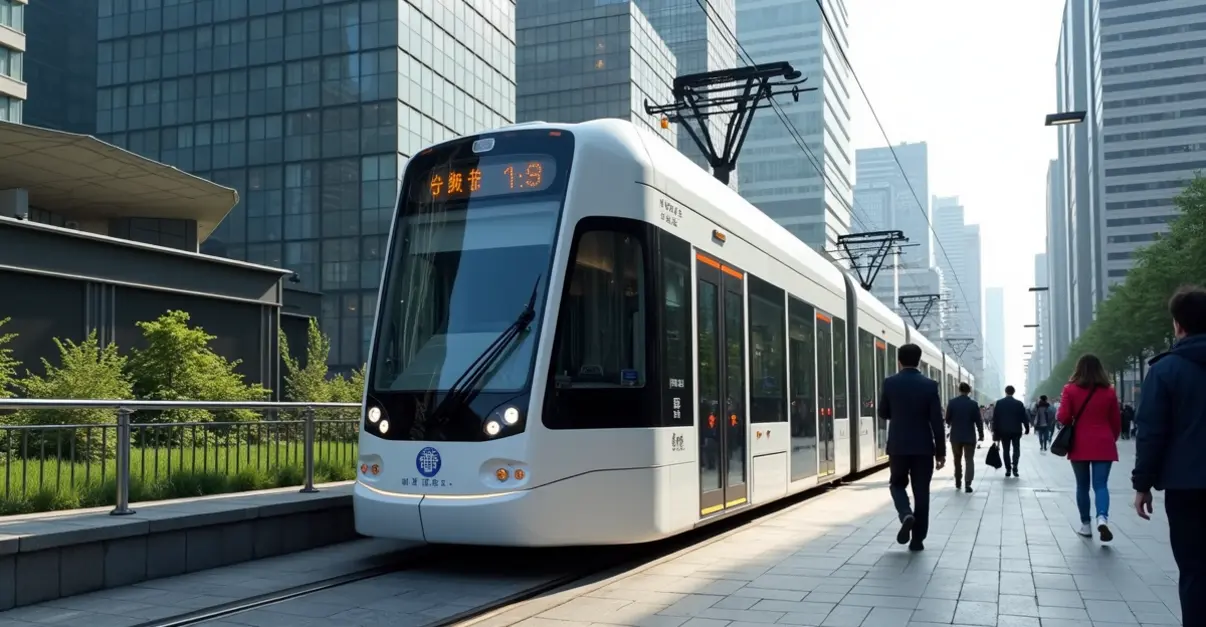
As cities worldwide grapple with climate change and urban congestion, zero-emission trams offer a compelling solution that balances environmental responsibility with practical transportation needs. The pilot launches in California, South Korea, and Pakistan represent different approaches to the same fundamental challenge: how to move people efficiently without polluting our planet.
'This is just the beginning,' concluded Rodriguez from the San Bernardino County Transportation Authority. 'We're not just building trains—we're building the foundation for cleaner, quieter, more sustainable cities for generations to come.'