Nederlands
 English
 Deutsch
 Français
 Español
 Português





Urban Centers Accelerate Zero Emission Zone Expansion Plans
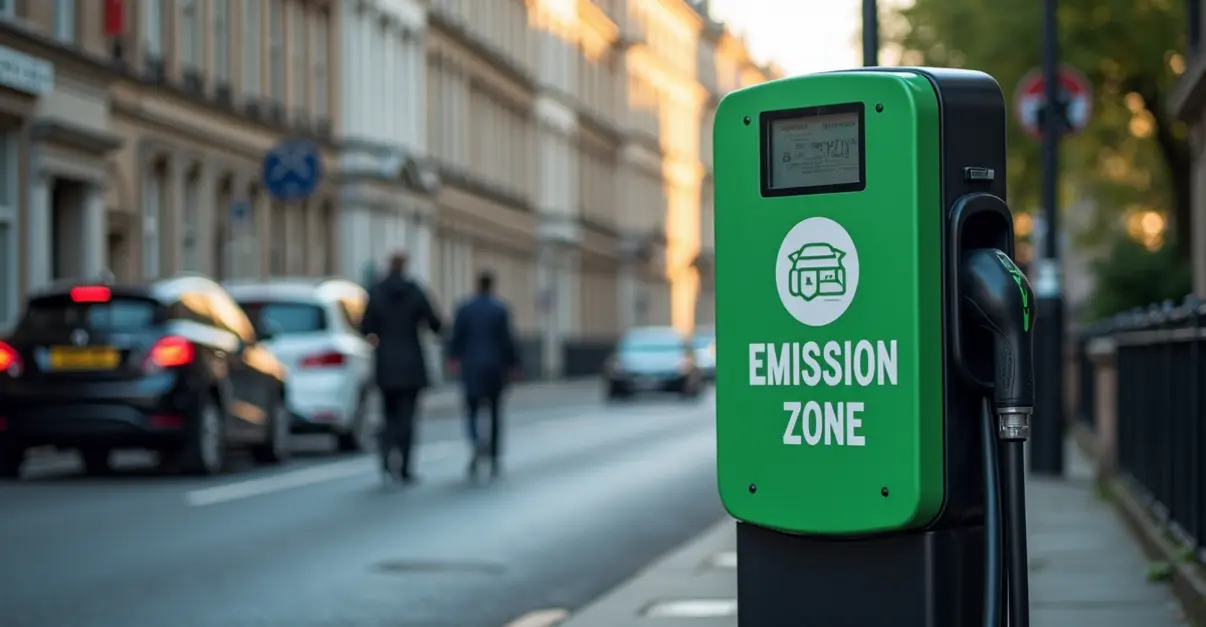
Major cities worldwide are rapidly expanding their zero emission zones (ZEZs) as part of ambitious plans to combat air pollution and accelerate the transition to cleaner transportation. According to the latest data from the ZEV Transition Council, verified as of June 6, 2025, these zones represent the most progressive urban air quality policies, restricting access to only battery electric vehicles, fuel cell electric vehicles, pedestrians, and cyclists.
Policy Framework and Implementation Strategies
The expansion plans follow specific criteria established by international bodies: cities must have official policy commitments, set clear start dates, specify affected vehicle types, and implement binding requirements. 'We're seeing a global movement toward cleaner urban spaces,' says transportation policy expert Dr. Maria Chen. 'The data shows that cities implementing ZEZs experience measurable improvements in air quality within months of implementation.'
Research from the World Resources Institute indicates that successful implementation strategies include starting with commercial vehicles rather than private cars, beginning with small zones to minimize disruption, and focusing on high-visibility areas. These zones typically cover 1.5 to 12 square miles and have demonstrated significant reductions in nitrogen dioxide levels, particularly from trucks and commercial vehicles.
Economic Implications and Market Transformation
The expansion of zero emission zones is creating ripple effects across multiple markets. The electric vehicle market is experiencing accelerated growth, with California reporting that 26% of all new cars sold in Q3 2024 were zero-emission vehicles, totaling 115,897 sales in that quarter alone. The state currently has 2.1 million total ZEV sales to date.
However, small businesses express concerns about the economic impact. 'While we support cleaner air, the transition costs for our delivery fleet are substantial,' notes small business owner James Rodriguez from Los Angeles. 'We need more support programs to help businesses adapt to these new requirements.'
The California Energy Commission has approved a $1.4 billion investment plan to expand zero-emission transportation infrastructure over the next four years, with at least 50% of funding targeted to benefit priority populations and disadvantaged communities.
Community Impact and Equity Considerations
Community advocates emphasize the importance of equitable implementation. 'We cannot create environmental solutions that disproportionately burden low-income communities,' says environmental justice advocate Sarah Johnson. 'The expansion plans must include robust support for public transportation alternatives and financial assistance for residents who cannot afford electric vehicles.'
Studies show that cities like London have achieved remarkable results with their Ultra Low Emission Zone, reducing nitrogen dioxide levels by 44%. Barcelona has cut traffic by 30% and NO₂ levels by 24% through similar measures. These improvements translate directly to public health benefits, particularly for vulnerable populations including children, the elderly, and those with respiratory conditions.
Global Trends and Future Outlook
Approximately a dozen cities worldwide have implemented or proposed ZEZs, including Amsterdam, London, Oxford, Shenzhen, and Los Angeles. Many cities are planning transitions from low emission zones to zero emission zones by 2030, with the ultimate goal of allowing only electric vehicles and non-motorized transport in urban centers.
The success of these urban policies depends on several factors: robust enforcement technology including license plate recognition cameras and emissions sensors, public acceptance through clear communication and gradual implementation, and equitable access to cleaner transportation alternatives. As cities continue to expand their zero emission zones, they're creating new models for sustainable urban living that balance environmental goals with economic and social considerations.
Looking ahead, experts predict that zero emission zones will become standard features of major cities worldwide, driving innovation in transportation technology and urban planning while delivering measurable improvements in air quality and public health.