Nederlands
 English
 Deutsch
 Français
 Español
 Português
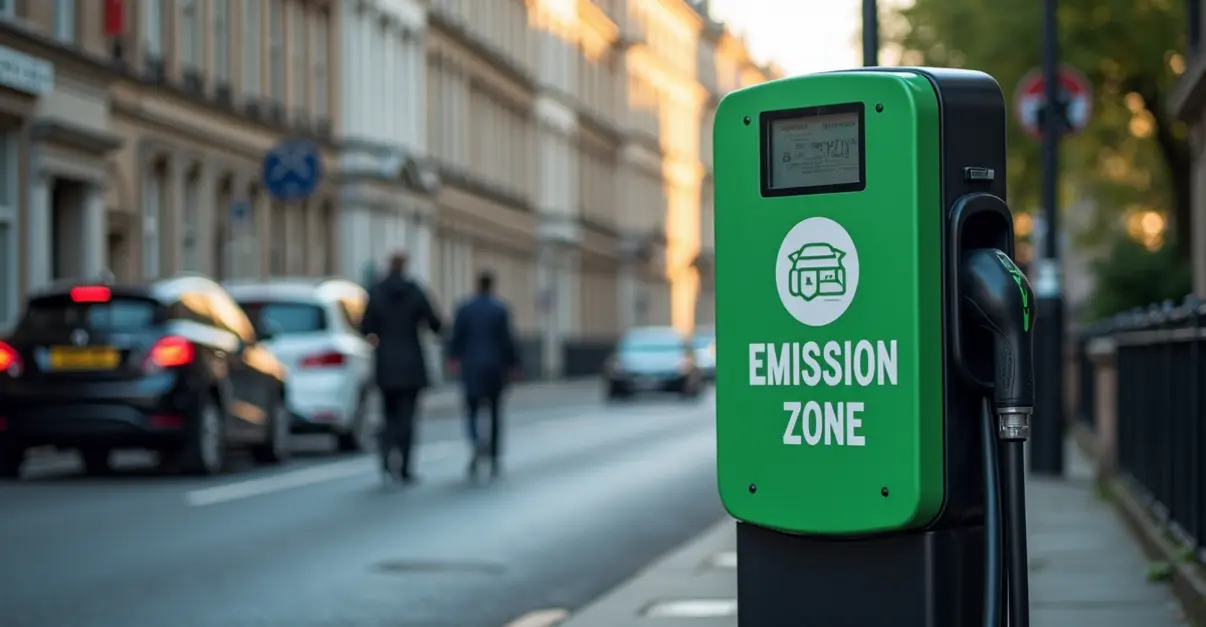





Local Council Greenlights Major Zero Emission Zone Expansion
In a landmark decision that could reshape urban transportation across the region, local authorities have approved a significant expansion of the city's Zero Emission Zone (ZEZ) following months of heated debate and stakeholder consultations. The expanded zone, which will cover approximately 11 square miles of the city center, represents one of the most ambitious clean air initiatives in the country and comes with a comprehensive package of support measures for affected businesses.
The approval, granted by the city council's environmental committee late last week, follows extensive public consultations that revealed both strong support for cleaner air and concerns about economic impacts on small businesses. 'This isn't just about restricting vehicles—it's about creating a healthier, more sustainable city for everyone,' said Councilor William Lee, who championed the proposal. 'We've listened carefully to business owners and designed a phased approach with meaningful support.'
Charging Structure and Exemptions Framework
The expanded ZEZ will operate on a graduated charging system similar to models implemented in European cities like Amsterdam and Oxford. Zero-emission vehicles—including battery electric and hydrogen-powered cars—will enjoy free access, while petrol and diesel vehicles will face daily charges ranging from £2 for low-emission models to £10 for the most polluting cars. Heavy goods vehicles could face charges up to £50 per day.
Key exemptions include Blue Badge holders, emergency services vehicles, historic vehicles over 40 years old, and certain professional users like tradespeople making essential deliveries. Perhaps most significantly, small businesses with fewer than 50 employees will receive temporary exemptions during a two-year transition period, along with access to grant funding for vehicle upgrades.
'The exemptions recognize that not everyone can switch to electric vehicles overnight,' explained transportation policy expert Dr. Sarah Chen from the Urban Sustainability Institute. 'What makes this policy innovative is the combination of regulatory pressure and practical support. Cities like Amsterdam have shown that this dual approach works.'
Compliance and Enforcement Mechanisms
Enforcement will rely on automated number-plate recognition (ANPR) cameras positioned at zone entry points, similar to systems used in London's Ultra Low Emission Zone. Vehicles entering the expanded area will be automatically checked against a national database of registered vehicles and their emissions standards. Those not meeting requirements will receive penalty charge notices unless they've paid the daily fee or qualify for exemptions.
The city has allocated £3.5 million for the camera infrastructure and backend systems, with implementation scheduled to begin in early 2026. 'Technology makes fair enforcement possible,' said Chief Enforcement Officer Michael Rodriguez. 'The system automatically recognizes exempt vehicles and those who've paid, minimizing disruption while ensuring compliance.'
Small Business Support Package
Recognizing concerns about economic impacts, the council has developed what it calls the 'most comprehensive small business support package ever attached to an environmental initiative.' This includes:
- Grants of up to £3,000 for small and medium enterprises (SMEs) to purchase or lease zero-emission vehicles
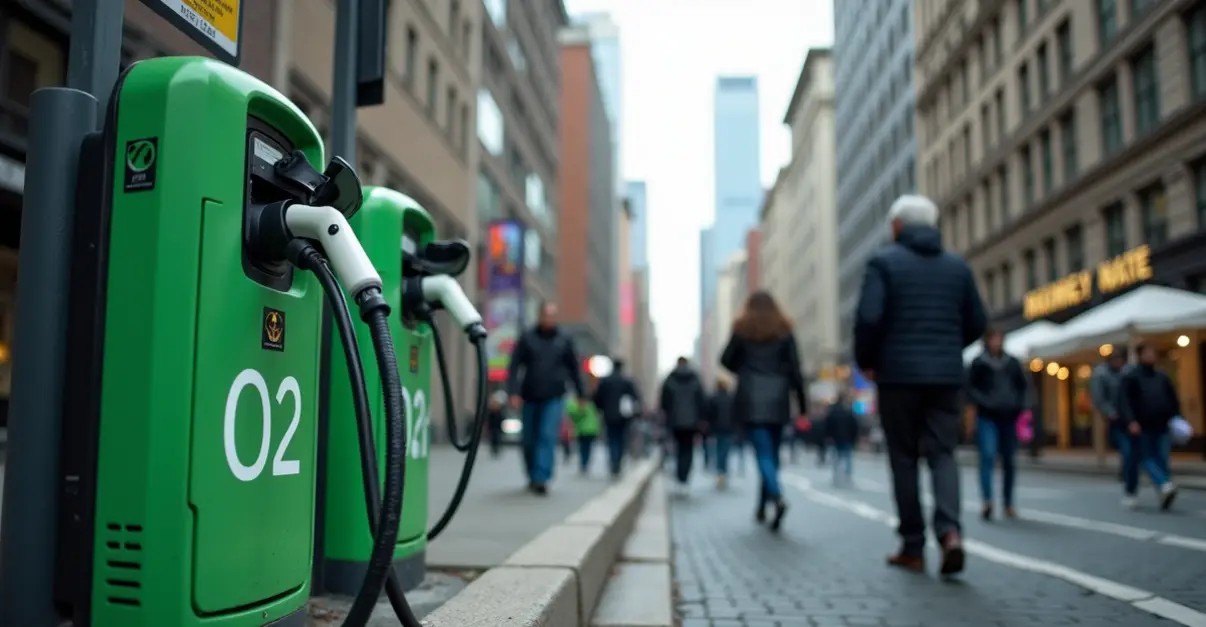
- Subsidized charging infrastructure installation at business premises
- Access to a 'last-mile delivery hub' where goods can be transferred to electric cargo bikes for final delivery
- Business rate reductions for companies that achieve 100% zero-emission fleets within three years
- Free consultations with transportation specialists to develop transition plans
'The support measures make this feasible for us,' said Maria Gonzalez, owner of a local catering business with three delivery vans. 'We want to do our part for cleaner air, but we need help with the costs. The grants and charging infrastructure support will make the transition possible.'
Environmental and Health Impacts
According to projections from the city's environmental department, the expanded ZEZ could reduce nitrogen dioxide levels by up to 45% in the city center and cut particulate matter (PM2.5) by approximately 30%. These improvements could prevent an estimated 120 premature deaths annually from respiratory and cardiovascular diseases linked to air pollution.
The policy aligns with broader national and international trends. The Netherlands is implementing ZEZs in 28 cities between 2025-2030, while California's Advanced Clean Cars regulations aim for 100% zero-emission vehicle sales by 2035. In the UK, Oxfordshire County Council is proposing a similar expansion of its ZEZ with public consultation planned for Spring 2026.
'This represents a turning point in how cities approach transportation and air quality,' said environmental advocate James Wilson. 'By combining regulatory measures with genuine support for those affected, cities can accelerate the transition to cleaner transportation without leaving small businesses behind.'
The expanded zone will be implemented in phases, with the first stage covering the historic city center beginning in March 2026. Full implementation across all 11 square miles is scheduled for completion by late 2027, giving residents and businesses time to adapt to the new requirements.