Deutsch
 English
 Español
 Français
 Nederlands
 Português







Brussels Clarifies Greenland's Status in EU Defense Framework
The European Commission has officially confirmed that Greenland falls under the protection of the EU's mutual defense clause, Article 42.7 of the Treaty on European Union. This clarification comes amid escalating tensions between Denmark and the United States over Greenland's sovereignty.
A Commission spokesperson told ANP: 'Greenland belongs to the territory of the Kingdom of Denmark and therefore in principle falls under the mutual solidarity clause of Article 42.7 of the Treaty on European Union.' The Commission had previously remained ambiguous about whether this provision applied to Greenland, given its status as an overseas territory.
Legal Ambiguity Resolved
Greenland is a semi-autonomous territory that left the European Economic Community in 1985 but remains part of the Kingdom of Denmark. While not an EU member itself, Greenland maintains an Overseas Country and Territory (OCT) status with the EU. This unique position had created legal uncertainty about whether EU defense guarantees extended to the Arctic island.
The clarification is particularly significant given recent threats from former U.S. President Donald Trump, who has repeatedly expressed interest in acquiring Greenland. 'The American president wants to take over Greenland by military means if necessary,' according to EU sources familiar with the matter.
Article 42.7 vs. NATO's Article 5
The EU's mutual defense clause differs from NATO's Article 5 in several key ways. While NATO's provision is more established and has been invoked only once (after 9/11), Article 42.7 requires EU member states to provide 'aid and assistance by all the means in their power' to any member facing armed aggression.
European Commissioner for Defense Andrius Kubilius previously stated that EU member states are obligated to help Denmark under Article 42.7 if the country faces military aggression. However, as POLITICO notes, the clause has only been used once before - by France in 2015 following terrorist attacks.
Practical Limitations Remain
Despite the legal clarification, significant practical challenges remain. Article 42.7 doesn't specify what type of assistance member states must provide - it could range from military support to diplomatic, political, or logistical aid. The European Parliament has called for the clause to be formulated more deterrently.
Experts point out that while the clause provides a legal framework, actual implementation would face political hurdles. 'The EU lacks a unified military command structure comparable to NATO,' noted one defense analyst. 'Any response would require unanimous approval from all 27 member states, which could be difficult to achieve.'
Denmark has not yet requested activation of Article 42.7, preferring diplomatic solutions to the tensions with the United States. EU sources indicate that Copenhagen favors a negotiated settlement rather than escalating the situation through formal defense mechanisms.
Strategic Implications for Arctic Security
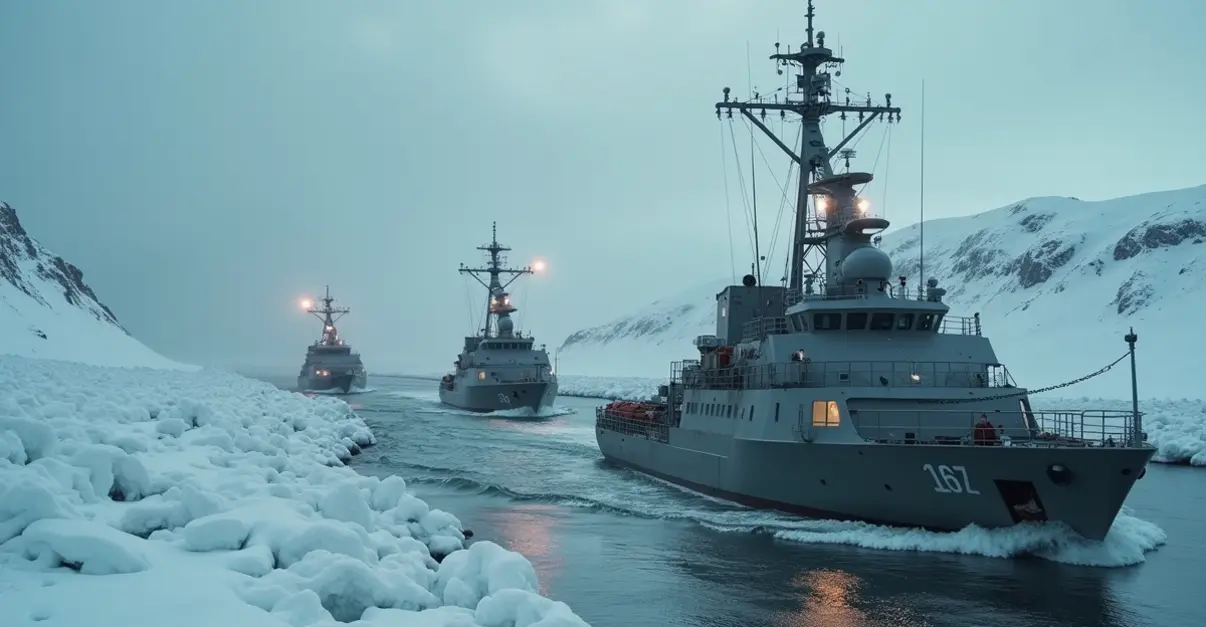
The clarification has broader implications for Arctic security and European defense policy. Greenland's strategic location and mineral resources have made it increasingly important in geopolitical calculations. The island hosts the U.S. Thule Air Base, America's northernmost military installation.
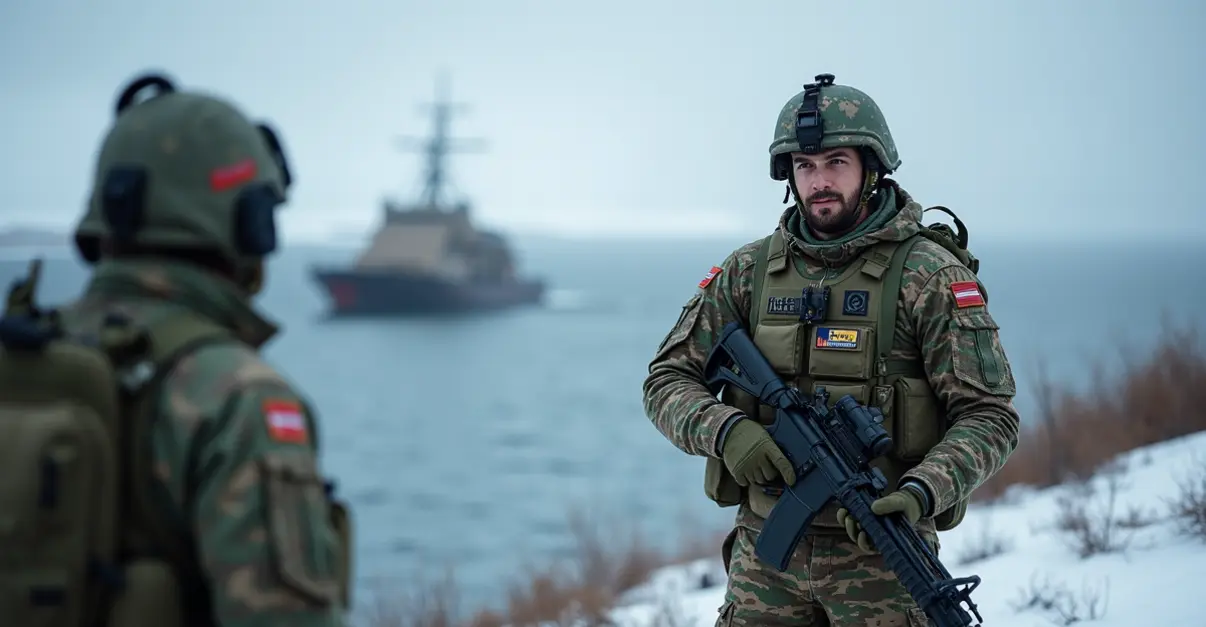
As analysis suggests, while Article 42.7 provides a legal basis for EU involvement, Europe's military capacity to confront the United States remains limited. The situation highlights growing tensions between transatlantic partners and raises questions about the future of European strategic autonomy.
The Commission's statement represents an important step in clarifying Europe's defense commitments, but as one diplomat noted: 'Legal guarantees are one thing, political will and military capability are another.' The coming months will test whether Europe's defense mechanisms can withstand pressure from its most important ally.