
 Deutsch
 English
 Español
 Français
 Nederlands
 Português

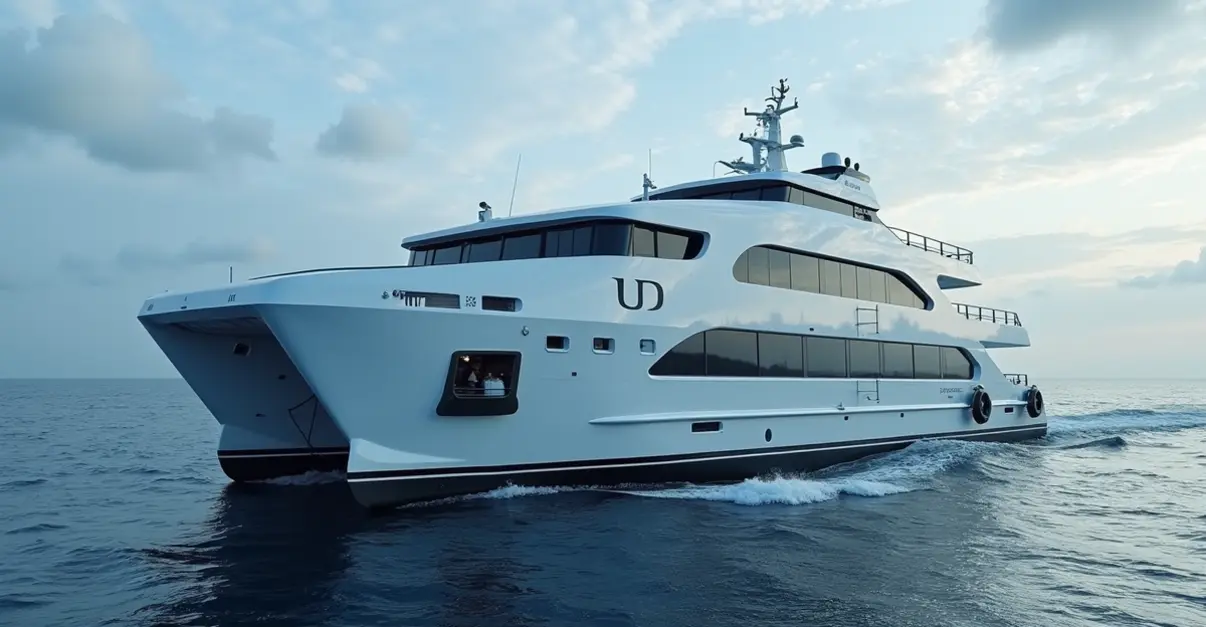





Hydrogen-Powered Ferry Sets Sail in Groundbreaking Pilot Project
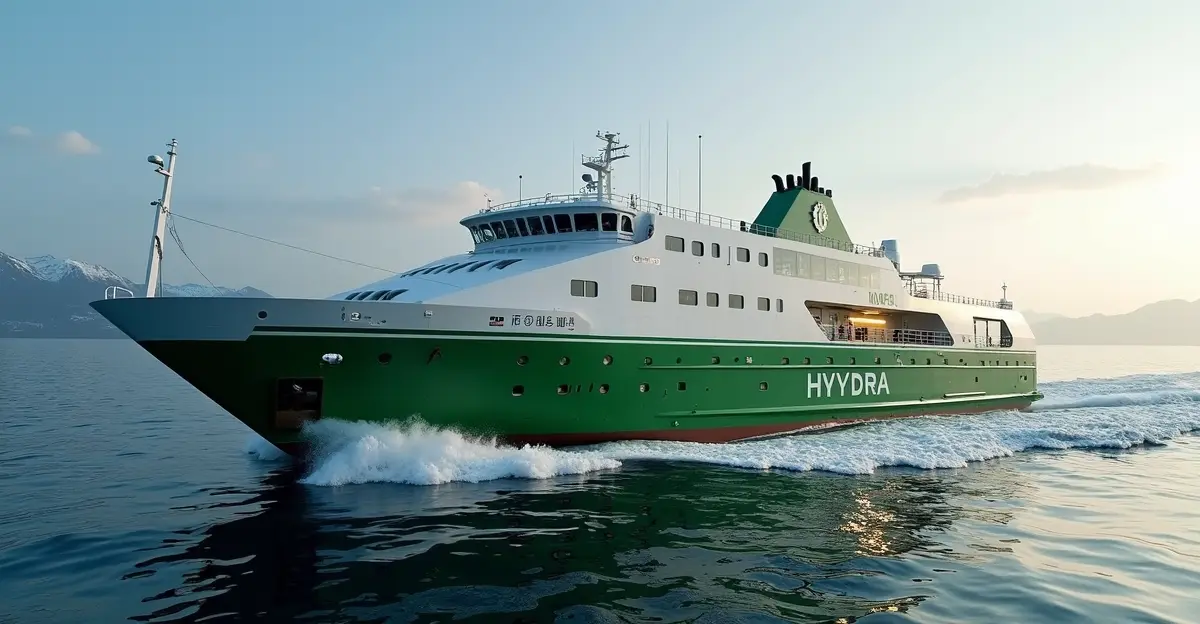
A pioneering hydrogen-powered ferry has begun operations on a coastal route, marking a significant milestone in the maritime industry's journey toward zero-emission transportation. The pilot project, which launched this month, represents one of the most ambitious attempts to commercialize hydrogen fuel cell technology for passenger ferries.
The vessel, which can carry approximately 75 passengers, operates entirely on hydrogen fuel cells, emitting only water vapor and heat. This makes it a truly zero-emission solution for coastal transportation. 'This isn't just another demonstration project—it's a working commercial service that shows hydrogen technology is ready for prime time,' said Alexander Silva, the project's lead engineer.
Refueling Logistics: The Critical Challenge
One of the most significant hurdles for hydrogen ferry adoption has been the refueling infrastructure. Unlike traditional diesel ferries that can refuel at virtually any port, hydrogen vessels require specialized fueling stations with high-pressure storage and dispensing equipment.
The pilot project has addressed this challenge by establishing a dedicated hydrogen refueling station along the coastal route. The station uses electrolysis powered by renewable energy to produce green hydrogen on-site, creating a completely sustainable fuel cycle. 'The refueling logistics were our biggest concern, but we've proven that with proper planning and investment, hydrogen infrastructure can be deployed effectively,' explained Silva.
According to a 2025 Department of Energy report, hydrogen fueling performance has improved dramatically in recent years, with refueling times now comparable to diesel for many applications.
Passenger Adoption and Public Response
Early passenger feedback has been overwhelmingly positive, with riders expressing enthusiasm for traveling on an emission-free vessel. The ferry offers the same comfort and reliability as conventional ferries, with the added benefit of silent operation and no exhaust fumes.
'I was skeptical at first, but the ride is smoother and quieter than any ferry I've been on,' said regular commuter Maria Chen. 'Knowing I'm not contributing to air pollution makes my daily commute feel much better.'
The project team has implemented an extensive public education campaign to familiarize passengers with hydrogen technology and address any safety concerns. This has proven crucial for building public trust in the new technology.
Emission Benefits and Environmental Impact
The environmental benefits of hydrogen ferries are substantial. According to project data, each hydrogen ferry eliminates approximately 1,000 tons of CO2 emissions annually compared to diesel-powered equivalents. When considering other pollutants like nitrogen oxides (NOx) and particulate matter, the benefits are even more significant for coastal communities.
The California Air Resources Board's demonstration project showed similar results, with hydrogen ferries achieving 100% reduction in greenhouse gas emissions when powered by green hydrogen.
'The emission benefits extend beyond just the ferry itself,' noted environmental scientist Dr. James Wilson. 'By displacing diesel consumption, we're reducing air pollution in port communities and contributing to cleaner coastal waters.'
Industry Context and Future Outlook
This pilot project arrives at a critical time for the maritime industry. The International Maritime Organization has set ambitious targets to reduce greenhouse gas emissions by at least 50% by 2050 compared to 2008 levels. Hydrogen-powered vessels are increasingly seen as a key solution for achieving these goals.
Norway has been particularly aggressive in adopting hydrogen ferry technology. The MF Hydra, launched in 2023, was the world's first liquid hydrogen-powered ferry and continues to operate successfully. Meanwhile, Norway plans to launch hydrogen ferry service between Bodø and Lofoten starting in 2025, according to industry reports.
The global hydrogen ferry services market is experiencing explosive growth, with projections showing it could reach $9.91 billion by 2033, according to market research. This represents a compound annual growth rate of nearly 24%.
Challenges and Opportunities
Despite the promising start, significant challenges remain. The initial capital costs for hydrogen ferries are substantially higher than conventional vessels, though operational costs are lower over the lifetime of the vessel. Additionally, the hydrogen supply chain needs further development to support widespread adoption.
'The technology works—that's no longer in question,' said Silva. 'Now we need to focus on scaling production, reducing costs, and building out the hydrogen infrastructure network. This pilot project proves it can be done.'
Industry experts believe that as more pilot projects demonstrate success and production scales up, costs will decrease significantly. Government incentives and carbon pricing mechanisms will also play crucial roles in accelerating adoption.
The success of this coastal route pilot could pave the way for broader implementation of hydrogen technology across the maritime sector, potentially transforming how people and goods move along coastlines worldwide.


Follow Discussion