


 Deutsch
 English
 Español
 Français
 Nederlands
 Português


 Share
Share




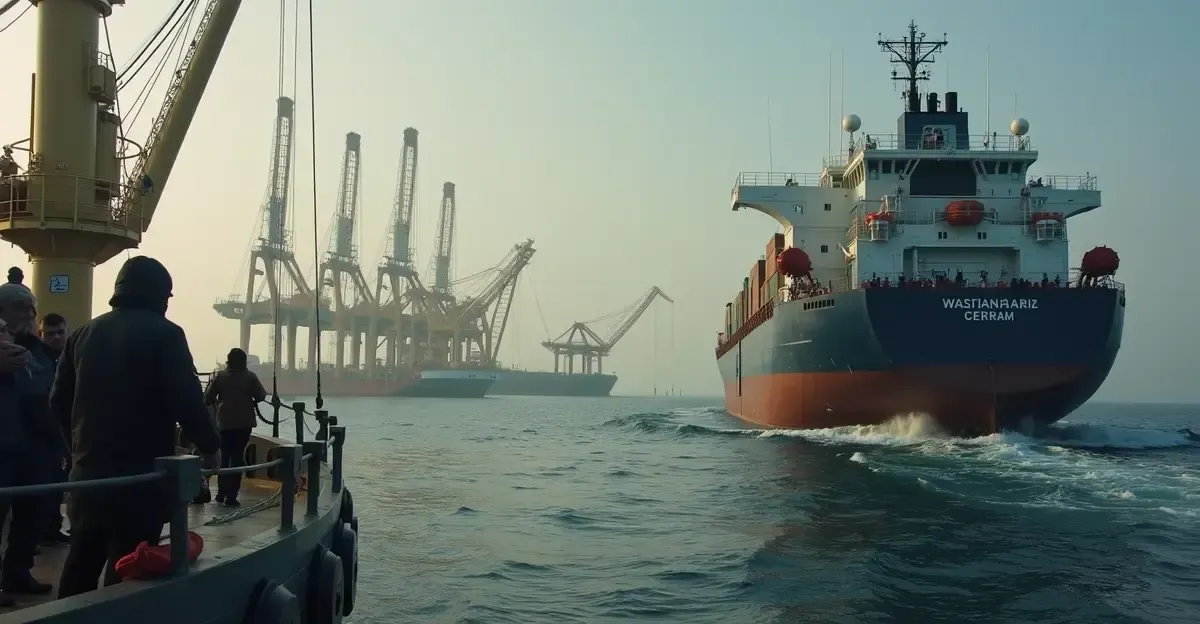
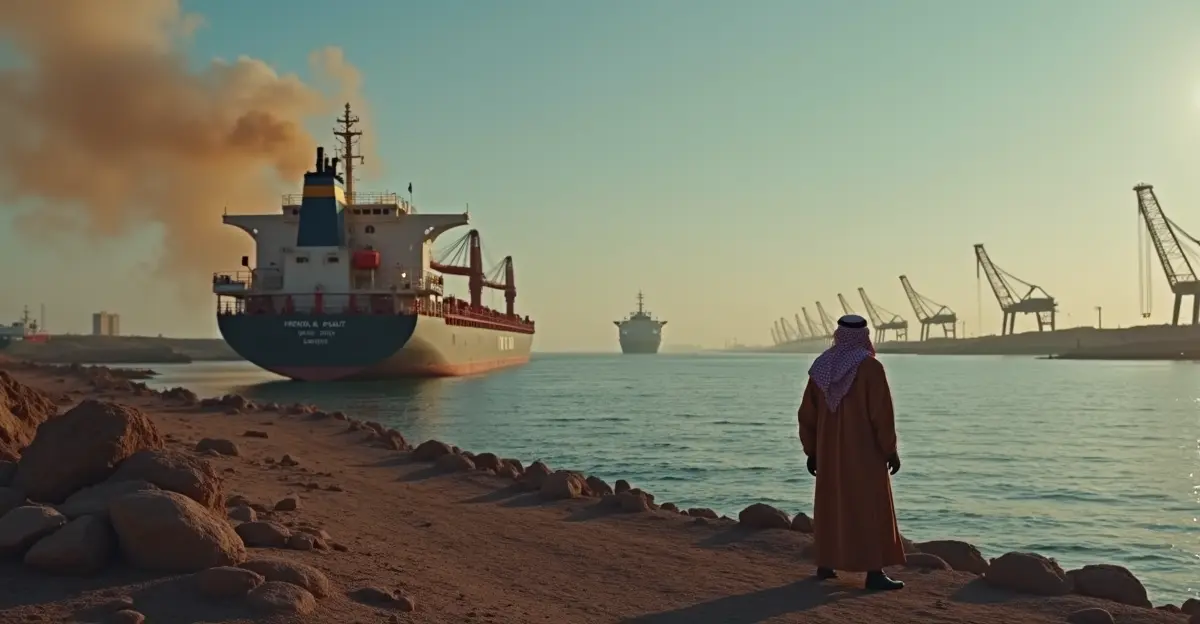
Syria is rapidly emerging as a critical Strait of Hormuz bypass for international oil trade, as shippers and governments seek alternatives to the blockaded waterway that normally carries about 20% of global seaborne crude. Since the US-Israel air war against Iran in February 2026 and the Iranian Revolutionary Guard Corps' subsequent closure of the strait, a kilometer-long line of oil trucks from Iraq has begun snaking along the Syrian coast to the Mediterranean port of Banyas. "We waited four days in line to get here," said one relieved driver from Mosul, unloading Basra crude at the aging Syrian depot. "It is a new route, everything went smoothly, and on the way I felt safe. This is my second time and I hope to drive this road often."
Why Syria is becoming the Middle East's oil bypass hub
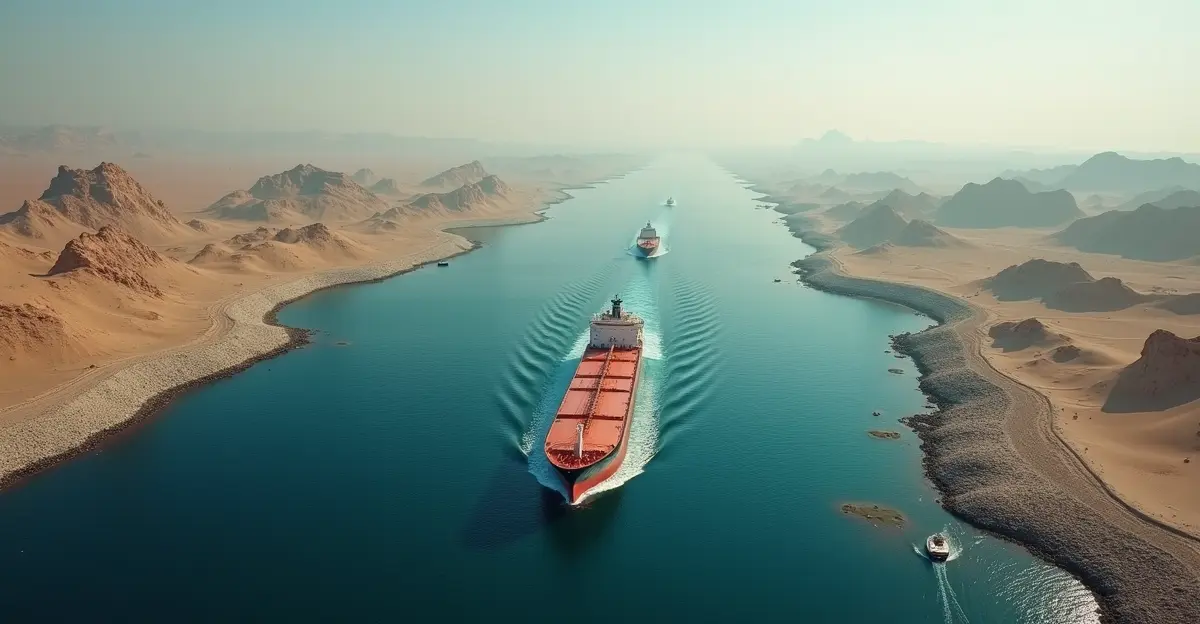
The 2026 Strait of Hormuz crisis has forced a historic re-routing of energy flows. With about 25% of the world's seaborne oil trade and 20% of LNG previously passing through the 34-kilometer-wide strait, its closure since 28 February 2026 triggered the largest disruption to global energy supply since the 1970s. Brent crude briefly surpassed $126 per barrel in March 2026. Faced with this shock, Gulf states, Turkey, Jordan and Western powers have scrambled for overland alternatives — and Syria, with its strategic Mediterranean coastline, has become a focal point.
According to Vortexa data, Syria went from exporting no fuel oil to accounting for more than a quarter of the Middle East's fuel oil exports within months. The US, France and several Gulf states have all signaled interest in financing Syrian pipelines, roads, railways and ports, with deals worth billions of dollars under discussion.
From 10 to 1,000 trucks a day: Iraq's new Syrian corridor
The shift is most visible on the road to Banyas, where Iraqi crude now arrives in convoys instead of tankers. Ahmad Qabahji of the Syrian state oil company said talks with Iraq began four months ago, a contract was signed fifteen days later, and operations started immediately. "In a frantic tempo we went from ten to a thousand trucks per day. It is a big project," he said.
Qabahji pointed to a map of the old Kirkuk-Baniyas pipeline — a route that was built in 1952 and has been dormant since 2003 — as the next step. "Work is in full swing. This pipeline is much more effective than transporting oil by truck over the road. Hopefully we can put it back into service within two years." However, Reuters reported in August 2026 that the Kirkuk-Baniyas oil pipeline revival may require four years of construction and at least $15 billion, far longer and costlier than Syrian officials hope.
Alternative routes compared
| Route | Capacity | Status (2026) |
|---|---|---|
| Kirkuk-Baniyas pipeline (Iraq–Syria) | Up to 1.5–2 million bpd planned | Under rehabilitation, years away |
| Saudi East-West Pipeline (Petroline) | 5 million bpd | Operational, but shifts risk to Bab el-Mandeb |
| UAE Habshan-Fujairah Pipeline | 1.8 million bpd | Operational, bypasses Hormuz to Gulf of Oman |
| Iraq-Turkey Kirkuk-Ceyhan pipeline | ~1.6 million bpd | Partially operational, political hurdles |
| Syrian truck corridor (Iraq to Banyas) | ~1,000 trucks/day | Active since summer 2026 |
What the oil boom means for Syria
For a country still recovering from a 2011–2024 civil war, dictatorship, sanctions and economic collapse, the new trade offers a lifeline. "This will certainly contribute to providing employment for Syrian citizens, alongside the welcome inflow of foreign currency," said Imad Ghafir, director of the port of Banyas. He described plans to renovate the port and noted that the number of oil tankers offshore has risen sharply. "They lie here a few days off the coast and then sail to destinations all over the world, especially Europe."
A Greek tanker captain praised the hospitality but acknowledged the infrastructure is outdated. "They are hospitable and helpful. Although everything is old and so it takes longer than we are used to, we are satisfied. I feel safe here and I would like to come back soon. I prefer this to the Strait of Hormuz." The Syrian energy infrastructure remains a major hurdle: security is fragile, politics are shaky, and investors remain cautious despite the repeal of the Caesar Act and the resumption of SWIFT access.
Even if the Strait of Hormuz eventually reopens, Ghafir argued the new route will retain value. "And if the Strait of Hormuz ultimately opens again, this still offers opportunities." As of 17 August 2026, however, the strait remained shut after the June memorandum expired with no extension, with zero vessels transiting on 16 August and shipping running at about 17% of normal levels.
FAQ: Syria oil route and the Strait of Hormuz bypass
Why is the Strait of Hormuz closed in 2026?
Iran closed the strait on 28 February 2026 in retaliation for the US-Israel air war against Iran. The IRGC has boarded ships, laid sea mines and warned vessels to stay away, reducing traffic to near zero.
How is Iraq exporting oil through Syria?
Iraq trucks crude overland from Basra and Kirkuk to the Syrian port of Banyas, then re-exports it by sea to Europe and other markets. The route bypasses both the Strait of Hormuz and the Bab el-Mandeb.
What is the Kirkuk-Baniyas pipeline?
Built in 1952, the 800-km pipeline once linked Iraq's Kirkuk oilfields to Syria's Mediterranean coast. It has been dormant since 2003 and is now being rehabilitated, though full revival may take years and cost billions.
Is Syria safe for oil investment?
Security remains fragile and infrastructure is outdated. However, with the strait closed, investors are taking on the risk, and Western and Gulf states are financing major projects.
Will the Strait of Hormuz reopen?
Ceasefires have repeatedly collapsed. As of mid-August 2026 the strait remains largely closed, and even a reopening may not erase the new overland corridors' strategic value.


Follow Discussion