


 Deutsch
 English
 Español
 Français
 Nederlands
 Português


 Share
Share




The February 2026 closure of the Strait of Hormuz following the Iran-US/Israel conflict has triggered the most consequential energy and supply chain event of the year, sending Brent crude past $120 per barrel and severing Qatar's helium supply—a critical input for semiconductor manufacturing. This dual crisis threatens operations at TSMC, Samsung, and SK Hynix, raises chip fabrication costs, and exposes the fragility of just-in-time supply chains for rare gases and specialty metals. The crisis is forcing a strategic recalibration among governments and tech giants toward supply diversification, onshoring of critical materials, and accelerated investment in nuclear and renewable energy to insulate chip fabrication from oil price volatility.
Background: The Strait of Hormuz Closure
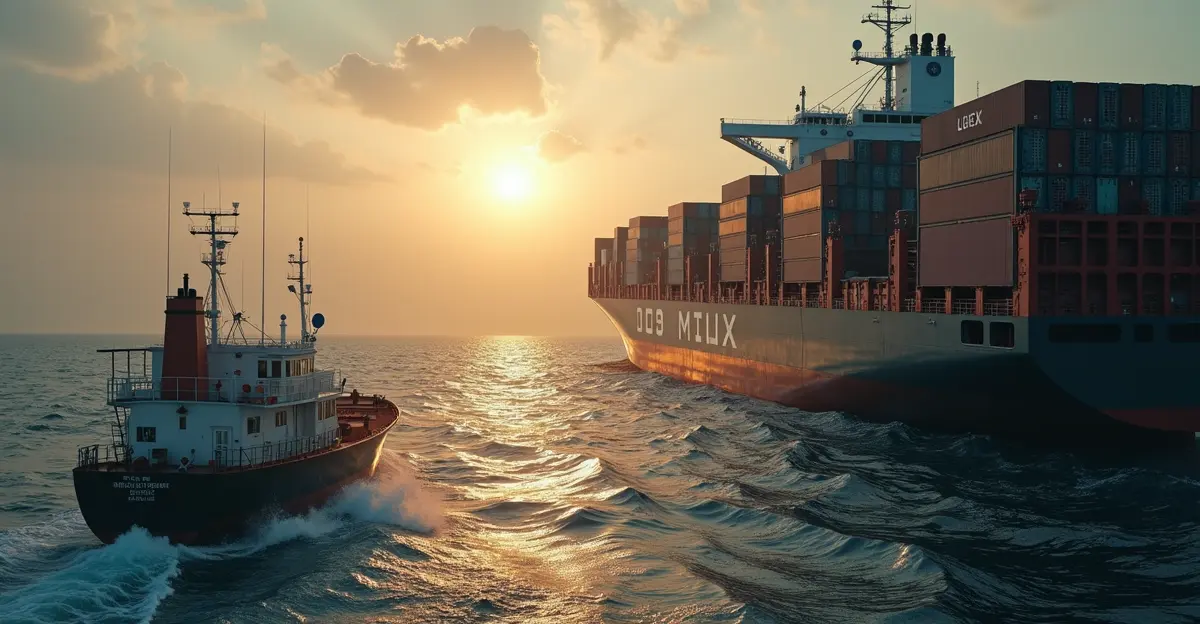
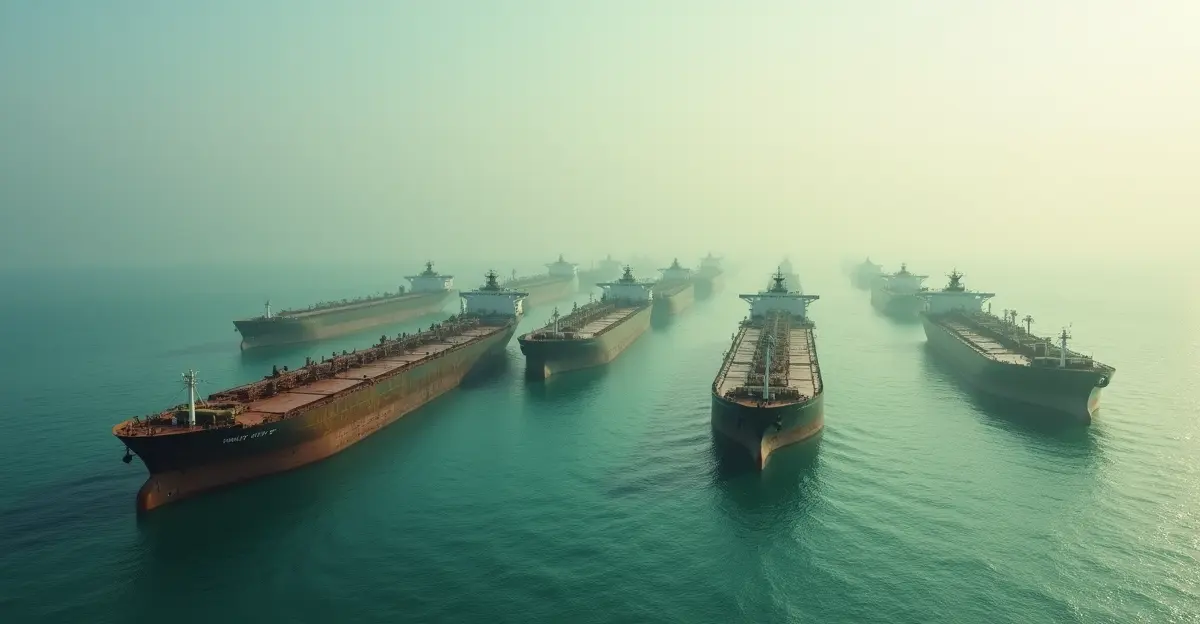
On February 28, 2026, the United States and Israel launched airstrikes against Iranian military targets, including the assassination of Supreme Leader Ali Khamenei. In retaliation, Iran's Islamic Revolutionary Guard Corps (IRGC) closed the Strait of Hormuz to all foreign shipping. The strait, through which approximately 20% of global daily oil and 25% of seaborne LNG trade normally passes, saw tanker traffic plummet by 70-90% within days. By March 2026, over 150 vessels were anchored outside the Persian Gulf, and the International Maritime Organization reported that about 20,000 mariners and 2,000 ships were stranded in the Gulf.
Brent crude oil prices surged past $100 per barrel on March 8 for the first time in four years, peaking at $126 per barrel in April 2026. Fitch Ratings projected that a six-month closure could keep Brent averaging $120 per barrel. The International Energy Agency (IEA) called it the largest supply disruption in oil market history, with cumulative losses exceeding 360 million barrels in March alone. The 2025 global economic outlook had already been fragile, and this crisis pushed the IMF to warn of growth falling to 2% in a severe scenario.
The Helium Crisis: A Hidden Semiconductor Vulnerability
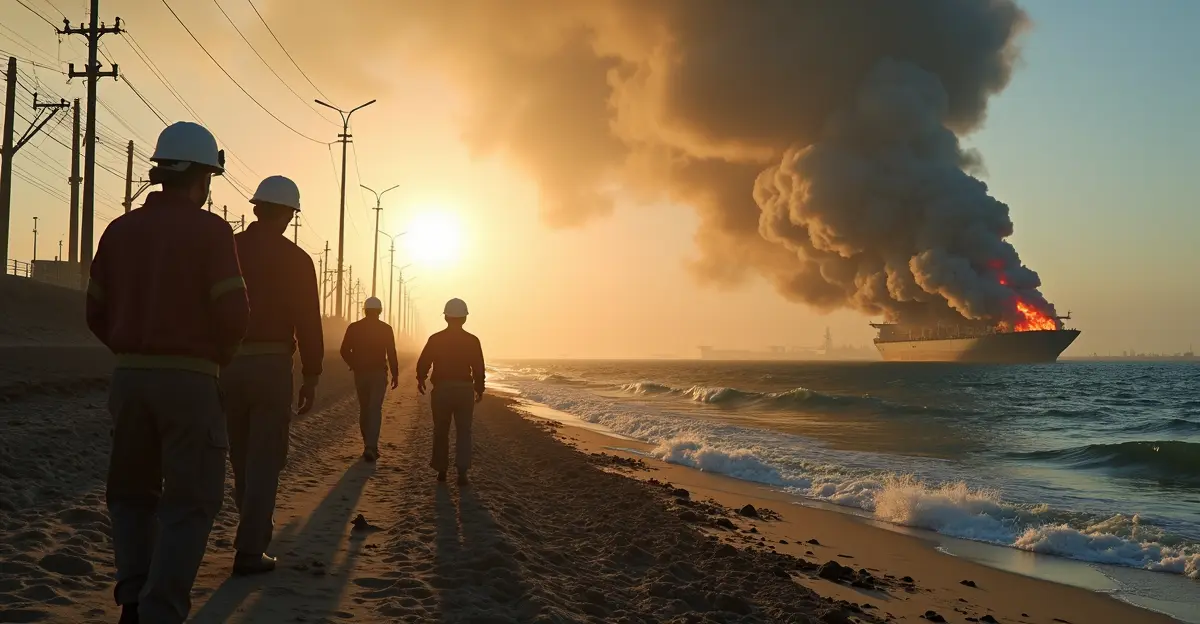
Beyond oil, the crisis severed a critical artery for semiconductor manufacturing. Qatar's Ras Laffan LNG complex—the world's largest liquefied natural gas export hub—was taken offline by Iranian missile strikes on March 19, 2026. Helium, a byproduct of LNG processing, is essential for semiconductor fabrication, used in cryogenic cooling, as a carrier gas in deposition and etching processes, and for leak detection. Qatar produced roughly 30-38% of global helium supply in 2025, with its Ras Laffan facility alone accounting for about 11% of the world's helium.
South Korea sourced 64.7% of its helium from Qatar in 2025, while Taiwan's Gulf dependency stood at 69%. SK Hynix has stated it has only about two weeks of helium inventory before production lines could shut down. Samsung and SK Hynix together produce roughly two-thirds of global memory chips, including high-bandwidth memory (HBM) critical for AI applications. TSMC, the world's leading foundry, remains strategically exposed despite having 8-20 weeks of helium buffer. The semiconductor supply chain diversification efforts post-COVID had not anticipated a simultaneous energy and helium shock of this magnitude.
Impact on Chip Fabrication Costs
Helium spot prices have already doubled since the crisis began. Industry experts warn that a 60-90 day squeeze could push helium costs up 25-50%. TSMC has announced plans to raise chip prices by 5-10% in 2026 for its advanced nodes (5/4 nm, 3 nm, and 2 nm), citing rising operational costs including energy and materials. Research firm TrendForce reports TSMC may raise 3-nanometer wafer prices by roughly 15% in the second half of 2026. These increases will cascade to major clients like Apple, NVIDIA, AMD, and Qualcomm, ultimately raising costs for consumer electronics, AI servers, and data center infrastructure.
Memory manufacturers face even steeper challenges. SK Hynix and Samsung warn that memory shortages will persist into 2027, with DRAM prices rising sharply. The shortage will likely protect high-value AI/HBM production first, while consumer and legacy chips face rationing. Seagate and Western Digital have reported fully allocated 2026 production for helium-dependent hard disk drives (10TB and above), with 20-30% price increases already implemented.
Strategic Recalibration: Diversification and Onshoring
The crisis has exposed the danger of single-source dependencies for gases, chemicals, and logistics routes. Both Taiwan and South Korea are now seeking strategic reserves of helium and other critical materials. The EU's critical raw materials strategy has gained renewed urgency as European chipmakers also face supply disruptions.
Governments and tech giants are accelerating efforts to diversify helium sources. The only feasible large-scale replacement supplier is Russia, but sanctions limit its export capacity. Alternative sources in the United States (BLM helium reserves) and Algeria are being explored, but scaling up will take years. Semiconductor manufacturers are investing in helium recycling and recovery systems, as well as researching helium-free manufacturing processes, though these are long-term solutions.
Energy Independence for Chip Fabrication
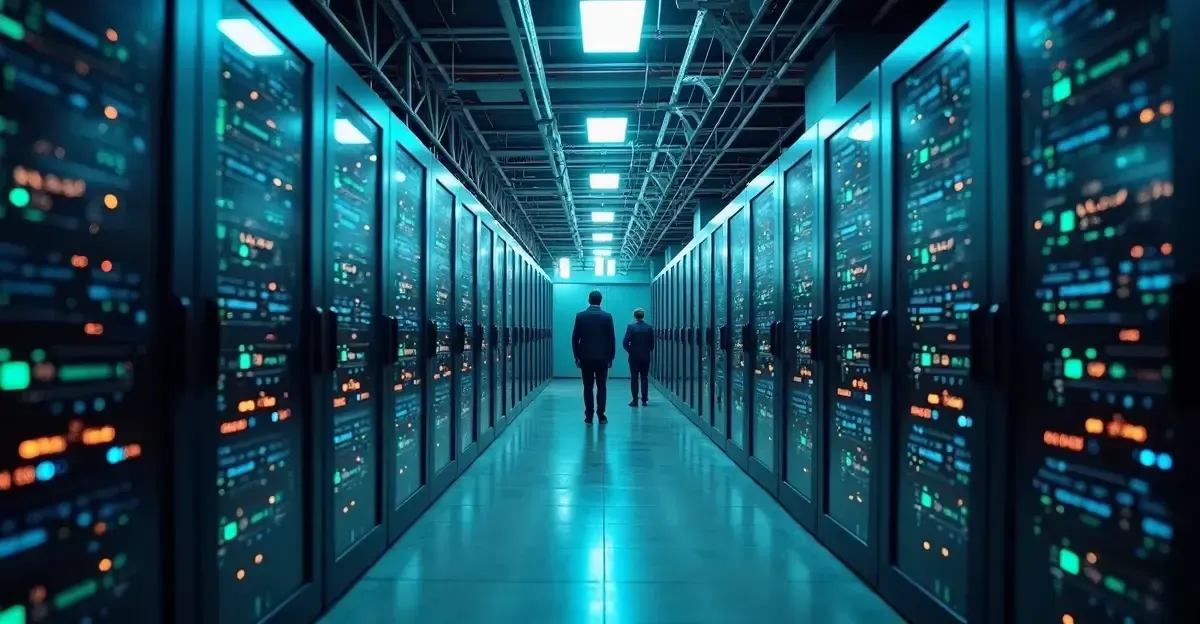
The crisis has also highlighted the vulnerability of chip fabrication to oil price volatility. Fabs are energy-intensive facilities that consume vast amounts of electricity. With Brent crude above $120 per barrel, energy costs for semiconductor manufacturing have risen sharply. This is driving accelerated investment in nuclear and renewable energy to insulate chip fabrication from fossil fuel price shocks.
J.P. Morgan's 2026 Energy Outlook highlights a nuclear renaissance, with global nuclear generation expected to reach record highs in 2026 and a projected 75% capacity increase by 2050. TSMC's $165 billion Arizona expansion and Samsung's foundry investments in Texas are part of a broader trend toward onshoring critical manufacturing capacity. However, replicating the Taiwan semiconductor ecosystem in the US could take five to ten years or longer, according to TSMC CFO Wendell Huang.
Broader Economic Implications
The IMF and UNCTAD have issued emergency warnings about cascading effects on global growth, inflation, and technology production. The IMF's April 2026 World Economic Outlook projects global growth at just 2-3.1% in 2026, down from 3.4% pre-war. Headline inflation could exceed 6% in a severe scenario. UNCTAD warns that global merchandise trade growth is projected to slow from 4.7% in 2025 to between 1.5% and 2.5% in 2026.
Developing economies are hit hardest by higher energy import costs, weaker currencies, and tighter financial conditions. The 2026 global trade disruptions are pushing 32 million people into poverty, according to UN estimates. The crisis also threatens the energy transition timeline, as critical minerals for EV batteries and renewable energy infrastructure face supply disruptions.
Expert Perspectives
This is the largest disruption to world energy supply since the 1970s, and its effects on semiconductor manufacturing are unprecedented, says Anish Kapadia, an industry expert cited in multiple reports. The loss of Qatar's helium production alone could remove 30% of global supply for up to five years if force majeure is declared.
Pierre-Olivier Gourinchas, chief economist at the IMF, warned in an April 2026 blog post: The Middle East conflict has halted global economic momentum. Beyond its human toll, war imposes large, persistent economic costs and difficult trade-offs.
Frequently Asked Questions
What caused the Strait of Hormuz closure in 2026?
The closure was triggered by US and Israeli airstrikes on Iranian military targets on February 28, 2026, including the assassination of Supreme Leader Ali Khamenei. In retaliation, Iran's IRGC closed the strait to all foreign shipping, blocking approximately 20% of global daily oil trade.
How does the helium shortage affect semiconductor manufacturing?
Helium is essential for semiconductor fabrication, used in cryogenic cooling, as a carrier gas in deposition and etching processes, and for leak detection. Without adequate helium, chip yields drop and production lines can shut down. SK Hynix has only about two weeks of helium inventory.
Which chipmakers are most affected by the crisis?
South Korean memory manufacturers Samsung and SK Hynix face the highest risk due to their heavy reliance on Qatari helium (64.7% of imports) and their dominant position in global memory production. TSMC and Micron are also exposed but have larger helium buffers.
How will the crisis impact consumer electronics prices?
Consumers can expect price increases for RAM, SSDs, smartphones, GPUs, and other electronics as chipmakers pass on higher fabrication costs. TSMC has announced 5-10% price increases for advanced nodes, and memory prices are rising sharply.
What long-term changes will result from this crisis?
The crisis is accelerating supply chain diversification, onshoring of critical materials, investment in helium recycling and alternative manufacturing processes, and a shift toward nuclear and renewable energy to insulate chip fabrication from oil price volatility.
Conclusion: A Watershed Moment for Global Supply Chains
The Strait of Hormuz shock of 2026 represents a watershed moment for global technology supply chains. The crisis has revealed that the semiconductor industry's optimization for cost and efficiency has created dangerous single-point failures in critical inputs like helium and energy. As governments and tech giants scramble to build resilience, the era of just-in-time supply chains for rare gases and specialty metals is giving way to a new paradigm of strategic reserves, diversified sourcing, and energy independence. The lessons of 2026 will shape technology production for decades to come.


Follow Discussion