
 English






The AI-Energy Nexus: How Data Center Expansion Is Reshaping Global Power Grids and Geopolitics
The explosive growth of artificial intelligence is creating an unprecedented energy crisis that threatens to destabilize national power grids while fundamentally altering global geopolitical dynamics. As AI-driven data centers expand at breakneck speed, they're projected to increase U.S. electricity consumption by 133% to 426 terawatt-hours by 2030, potentially consuming up to 12% of the nation's total power supply according to recent analyses from the Belfer Center and Pew Research. This rapid expansion is forcing governments worldwide to reconsider energy security strategies and creating new dependencies that could reshape international relations for decades.
What Is the AI-Energy Nexus?
The AI-energy nexus refers to the critical intersection between artificial intelligence development and power infrastructure limitations. As AI technologies advance exponentially, data centers face unprecedented energy demands that existing electrical grids struggle to support. This represents the fastest increase in electricity demand since post-war industrialization, with AI-optimized data centers consuming 40-60+ kilowatts per rack compared to traditional racks at just 5-15 kilowatts. The global implications are staggering: AI-driven data centers could consume as much electricity as Japan's entire economy by 2030.
The Virginia Near-Catastrophe: A Warning Sign
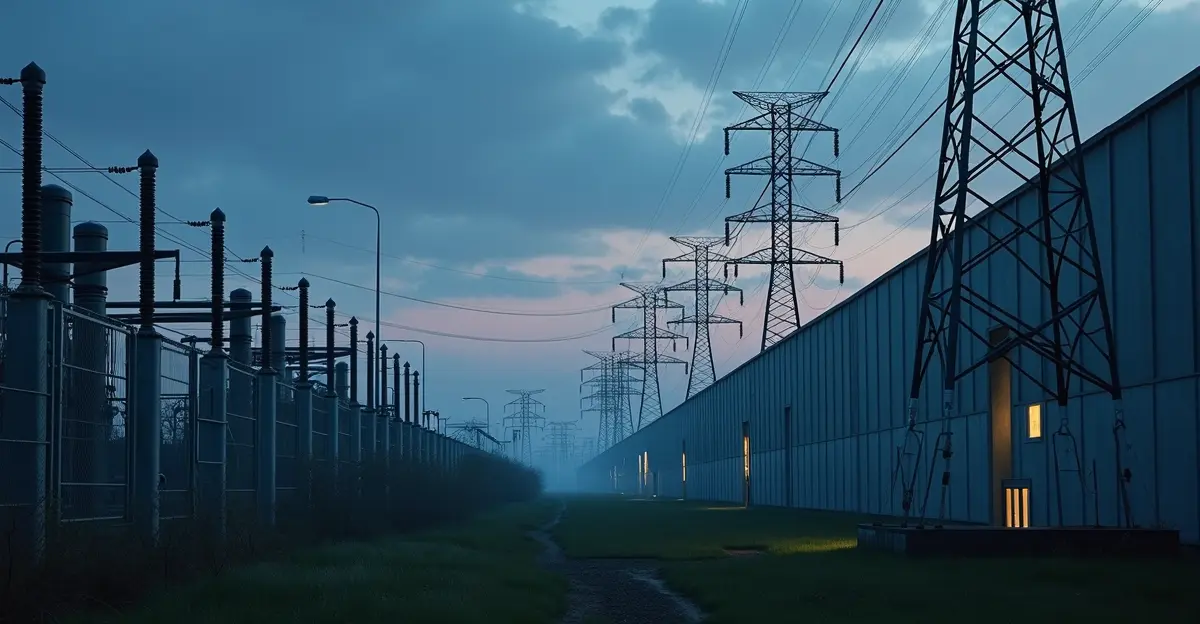
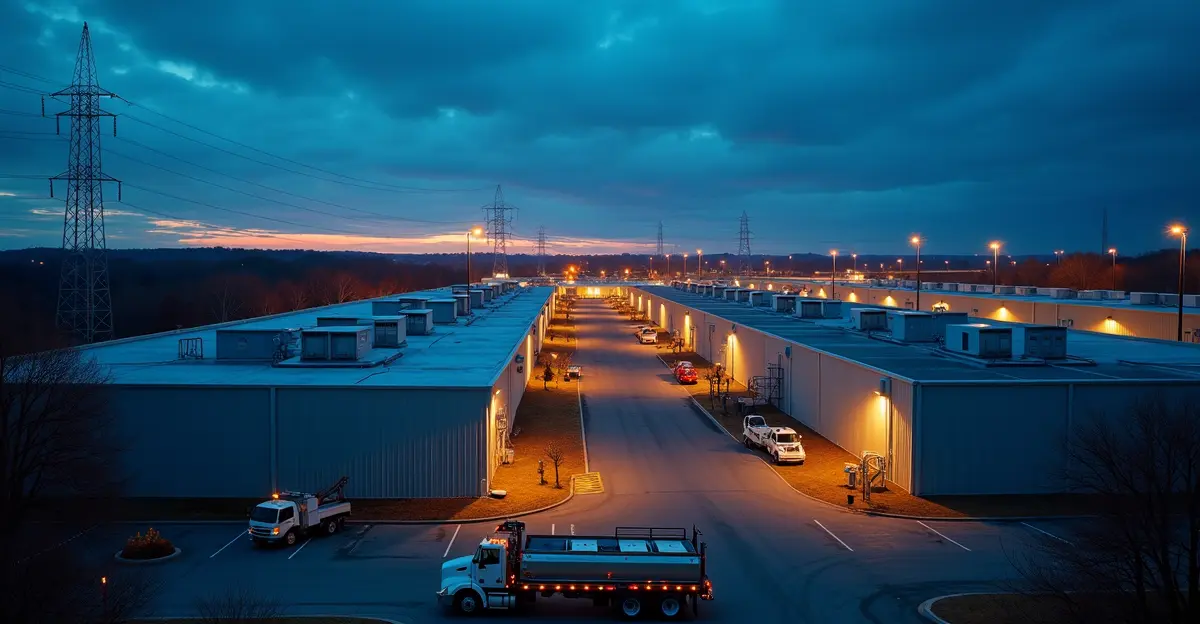
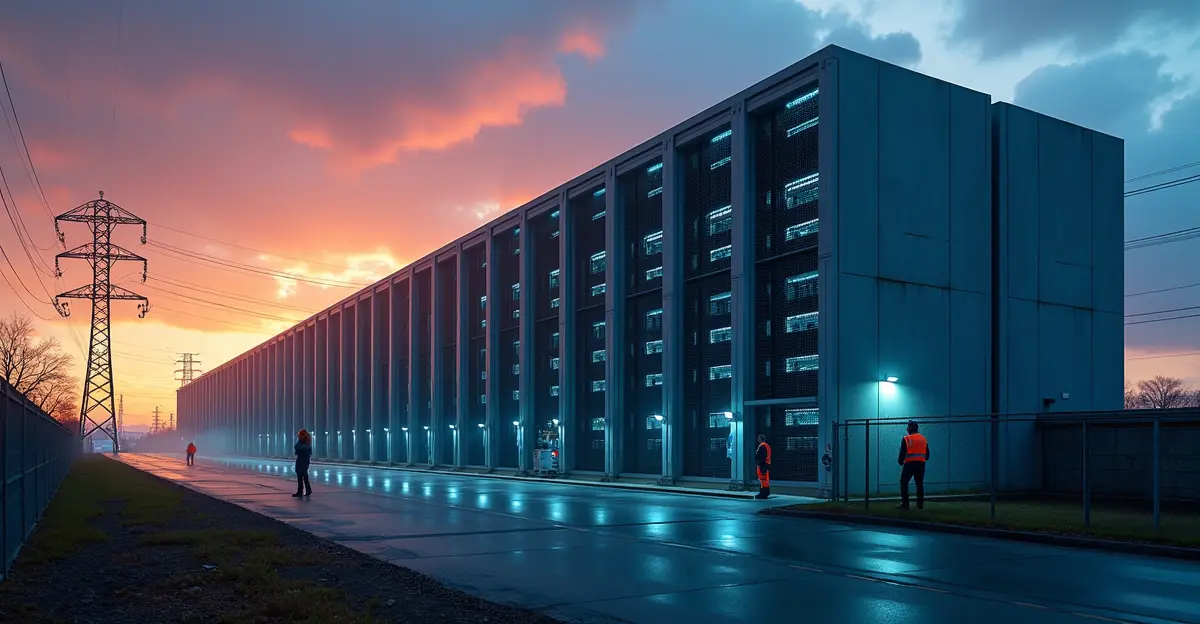
In July 2024, the world got a terrifying preview of what happens when AI infrastructure meets aging power grids. A lightning arrestor failure on a 230-kV transmission line in Northern Virginia caused 1.5 gigawatts of power to vanish in seconds, forcing 60 hyperscale data centers to simultaneously disconnect from the grid. The incident nearly triggered cascading blackouts across the Eastern United States, with grid operators PJM Interconnection and Dominion Energy scrambling to prevent a dangerous surge.
"This was a wake-up call for the entire industry," said one grid operator who requested anonymity. "We narrowly avoided what could have been the most significant blackout since the 2003 Northeast blackout."
The financial impact was immediate and severe: downtime costs reached $9,000 per minute, operators burned thousands of gallons of diesel for backup power, and insurance companies began excluding grid-origin outages from policies. The incident exposed critical vulnerabilities in modern infrastructure, revealing that many facilities share the same aging transmission backbone with 1970s-era equipment.
Projected Energy Consumption: The Numbers Behind the Crisis
Current and Projected Data Center Electricity Use
According to the Belfer Center report, data center electricity consumption is projected to surge from 176 terawatt hours (4.4% of U.S. total) in 2023 to 325-580 TWh (6.7-12.0%) by 2028. The Pew Research Center analysis reveals even more dramatic numbers: U.S. data centers consumed 183 terawatt-hours of electricity in 2024, representing over 4% of the nation's total electricity consumption - roughly equivalent to Pakistan's annual electricity demand.
Regional Concentration Creates Strategic Vulnerabilities
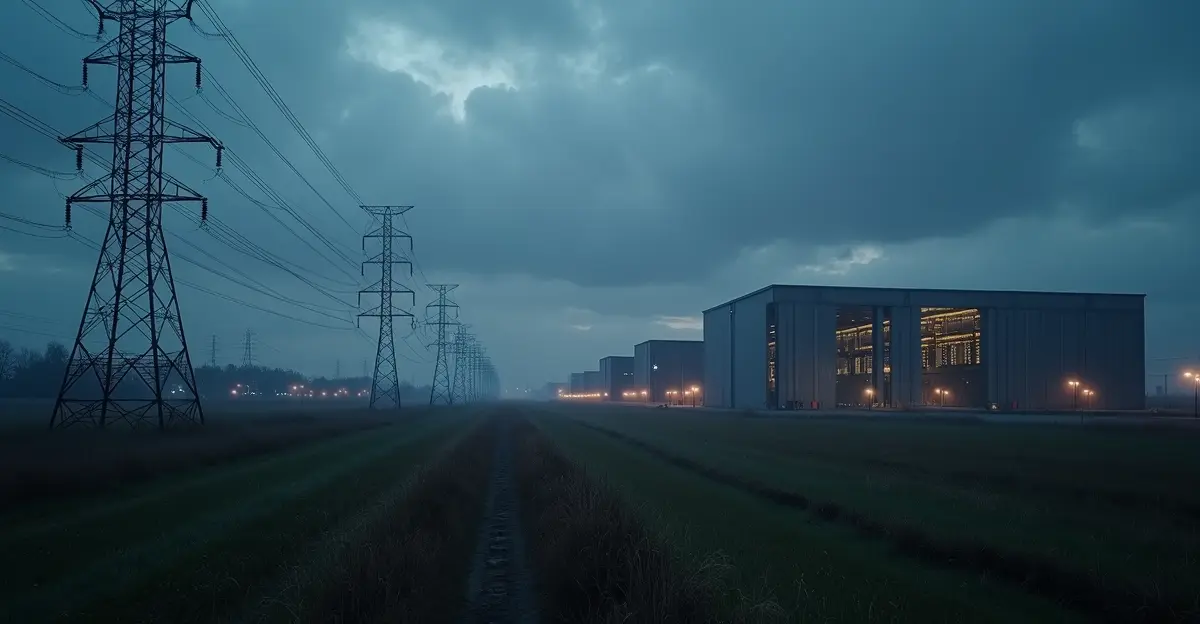
The U.S. has over 4,000 data centers, with one-third concentrated in just three states: Virginia (643), Texas (395), and California (319). This geographic concentration creates strategic vulnerabilities, with data centers consuming about 26% of Virginia's total electricity supply in 2023. Northern Virginia faces the most acute strain, where data centers consume one in every five kilowatt-hours produced by the state's largest utility.
Tech Giants' Unprecedented Infrastructure Investments
Major technology companies are responding to this crisis with historic capital expenditures. Amazon, Microsoft, Google, and Meta collectively spent over $200 billion on capital expenditures in 2024, representing a 62% year-over-year increase. Their combined 2025 investments exceeded $330 billion for AI infrastructure alone.
The Nuclear Power Revival
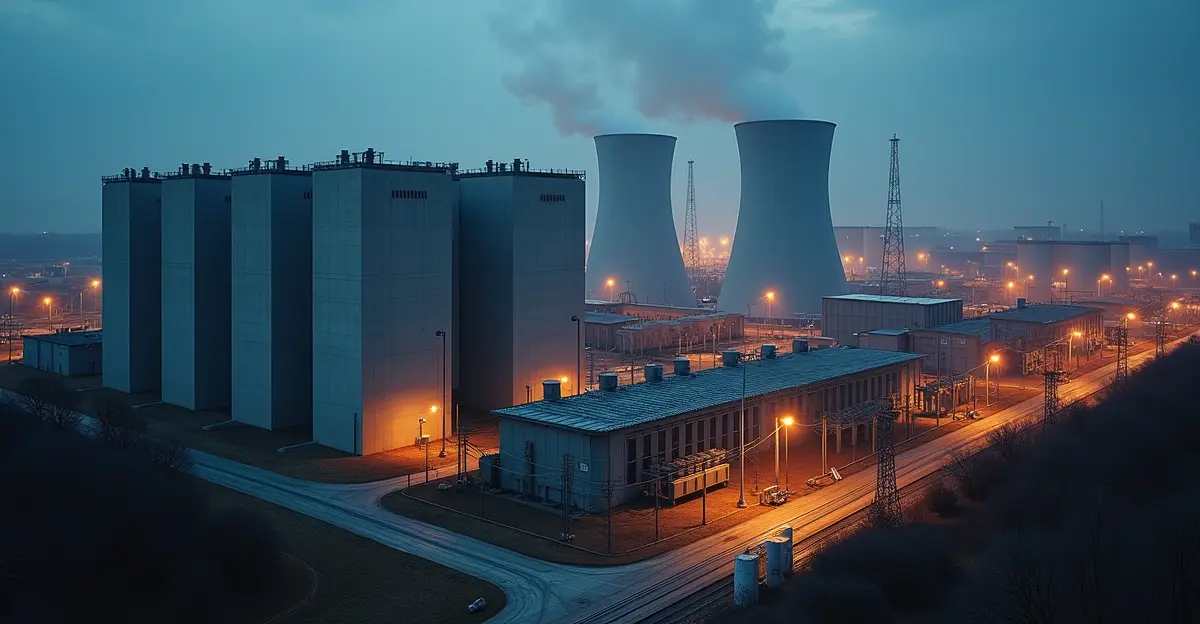
Perhaps the most significant strategic shift is the tech industry's embrace of nuclear power. After years of focusing on renewables, tech giants are now leading what experts call a "nuclear revival." Microsoft's landmark deal to restart the Three Mile Island nuclear plant represents just one example of this trend. These companies need steady, 24/7 power for data centers that can consume more electricity than entire cities like Chicago, and nuclear offers carbon-free, always-on electricity that aligns with both energy needs and sustainability goals.
Geopolitical Implications: A New Era of Energy Competition
The AI-energy nexus is creating a new era of geopolitical competition as nations scramble to secure power resources for AI infrastructure. Control over compute, data, and digital infrastructure has become a national security priority, leading to export controls, digital sovereignty measures, and fragmented global governance.
Regional Power Alliances and Dependencies
Nations with abundant energy resources are gaining new strategic leverage in the AI era. The global critical minerals supply chain has become a key battleground, with China controlling 90% of rare earth element processing capacity, giving it strategic leverage over AI development worldwide. This creates complex dependencies that could reshape international relations, particularly as countries develop new policy frameworks to address these challenges while balancing technological advancement with climate goals and energy security.
The concentration of data centers in specific regions creates what experts call "energy chokepoints" - geographic areas where power demand from AI infrastructure could overwhelm local grids. This has already led to electricity bills surging 13-16% in affected areas, creating political tensions between tech companies, utilities, and local communities.
Regulatory Challenges and Climate Goals
Current regulatory frameworks are struggling to balance AI development with grid stability and climate objectives. The rapid growth of AI-driven energy demand is already outpacing available capacity in some regions, forcing project delays and emergency grid adjustments. Key concerns include potential grid instability, rising consumer costs, reliance on high-emission energy sources, and conflicts with climate goals.
The EU carbon border tax and similar initiatives worldwide create additional complexity for tech companies trying to balance energy needs with environmental commitments. As data centers become critical infrastructure, they're increasingly subject to the same regulatory scrutiny as traditional utilities, creating new compliance challenges for an industry accustomed to rapid innovation cycles.
Expert Perspectives on the Crisis
Energy analysts warn that we're entering uncharted territory. "The AI revolution is fundamentally different from previous technological transformations because of its energy intensity," explains Dr. Sarah Chen, energy policy expert at MIT. "Previous digital revolutions actually improved energy efficiency, but AI is moving in the opposite direction - it's creating exponential demand growth that our infrastructure wasn't designed to handle."
Grid operators are particularly concerned about the 2025 economic crisis implications of sudden power demand shifts. "Modern UPS systems react so quickly that millisecond faults can trigger mass disconnections before operators can respond," notes grid reliability expert Mark Thompson. "We need new protocols and infrastructure that can handle this level of volatility."
Future Outlook and Strategic Recommendations
The World Economic Forum describes this as a "triple transition" challenge where AI advancement, global energy system restructuring, and geopolitical realignment are converging simultaneously. Organizations must navigate these interconnected challenges by treating AI as part of a broader strategic transformation that addresses energy sustainability, geopolitical resilience, and responsible deployment with human oversight.
Key recommendations emerging from industry analyses include:
- Accelerated grid modernization with AI-driven load management systems
- Strategic diversification of energy sources including nuclear, renewables, and advanced storage
- New regulatory frameworks that balance innovation with grid stability
- International cooperation on energy standards and critical mineral supply chains
- Investment in next-generation cooling technologies and energy-efficient AI algorithms
Frequently Asked Questions
How much electricity do AI data centers currently consume?
As of 2026, AI data centers consume approximately 176 TWh annually in the U.S., representing 4.4% of national electricity consumption. Globally, data centers consumed about 460 TWh in 2022, representing 2% of worldwide electricity use.
What was the Virginia data center incident in July 2024?
In July 2024, a lightning arrestor failure on a transmission line in Northern Virginia caused 60 hyperscale data centers to simultaneously disconnect from the grid, consuming 1,500MW of power. The incident nearly triggered cascading blackouts and exposed critical vulnerabilities in modern grid infrastructure.
Why are tech companies investing in nuclear power?
Tech giants like Microsoft, Amazon, Google, and Meta are turning to nuclear power because it offers carbon-free, always-on electricity that can meet the massive 24/7 power demands of AI data centers. Nuclear provides reliable baseload power that complements intermittent renewables.
How is the AI-energy nexus affecting geopolitical dynamics?
The AI-energy nexus is creating new geopolitical competition as nations scramble to secure power resources for AI infrastructure. Control over compute, data, and digital infrastructure has become a national security priority, with energy-rich nations gaining strategic leverage in the AI era.
What percentage of U.S. electricity could data centers consume by 2030?
Projections show data centers could account for 9-17% of total U.S. electricity by 2030, up from 4.4% in 2023. The most conservative estimates suggest at least 12% consumption, representing the fastest increase in electricity demand since post-war industrialization.
Conclusion: Navigating the New Energy Reality
The AI-energy nexus represents one of the most significant challenges of our technological era. As artificial intelligence continues its exponential growth, the strain on global power grids will only intensify, forcing difficult choices about energy security, climate goals, and technological advancement. The Virginia near-catastrophe served as a stark warning: our current infrastructure is inadequate for the AI-powered future. Successfully navigating this transition will require unprecedented cooperation between tech companies, governments, utilities, and communities - a challenge that will define global competitiveness and security for decades to come.
Sources
Belfer Center: AI Data Centers and the U.S. Electric Grid
Pew Research: Data Center Energy Use Amid AI Boom
Data Center Dynamics: Virginia Near-Blackout Report
CNBC: Tech Giants Betting on Nuclear Power
World Economic Forum: AI, Energy and Geopolitics
Follow Discussion