


 Deutsch
 English
 Español
 Français
 Nederlands
 Português


 Share
Share




Escalating Maritime Confrontation in Caribbean Waters
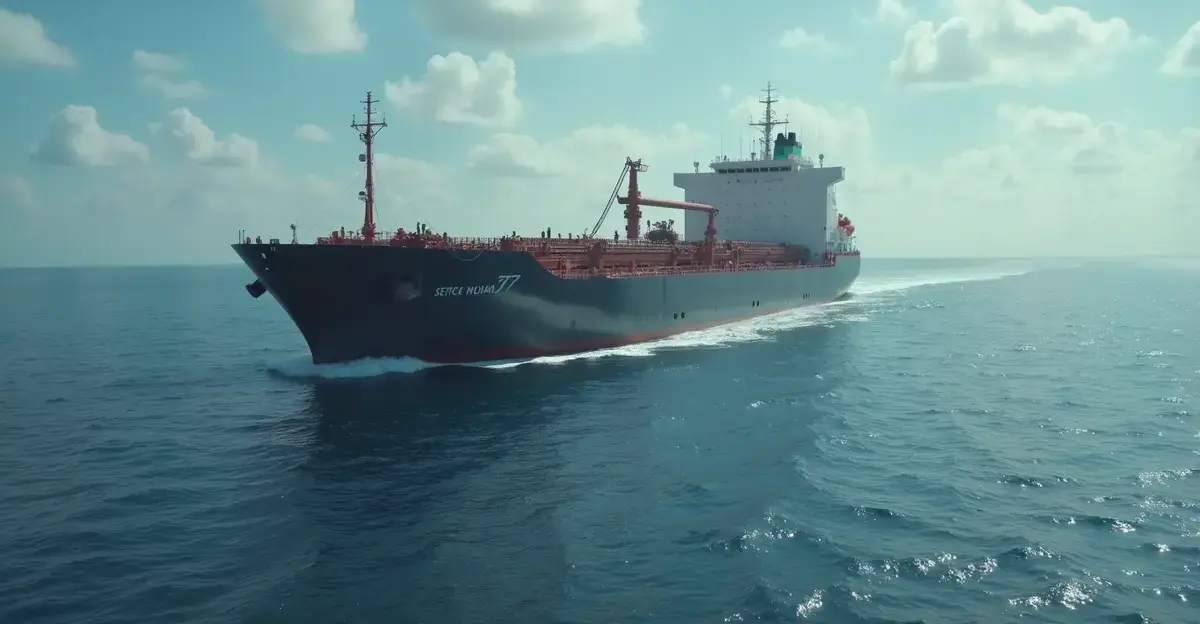
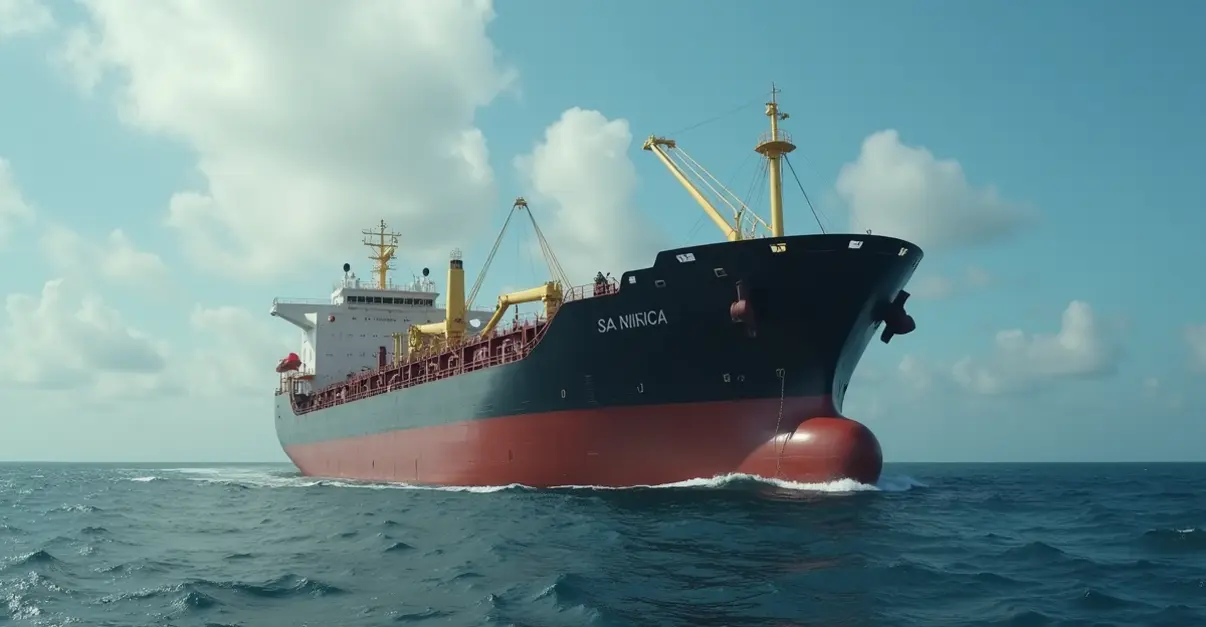
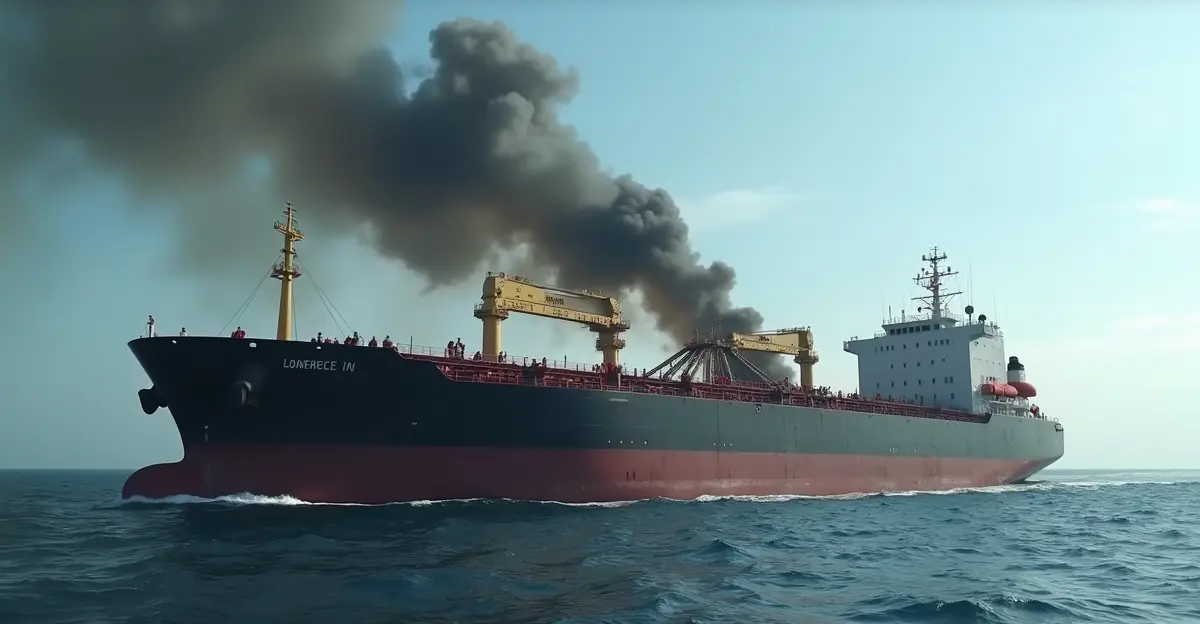
The United States is currently pursuing what would be its third oil tanker seizure off the coast of Venezuela in just eleven days, according to U.S. officials. The targeted vessel, a Panama-flagged oil tanker on the U.S. sanctions list, is being tracked in international waters in what represents a significant escalation of President Donald Trump's pressure campaign against the government of Nicolás Maduro.
This latest operation follows President Trump's announcement earlier this week of a blockade against all sanctioned oil tankers traveling to and from Venezuela. 'We will not allow the Maduro regime to profit from illegal oil shipments that fund their narcoterrorist network,' Trump stated during a press briefing. The blockade represents a dramatic shift from financial sanctions to physical interdiction at sea.
The Shadow Fleet and Sanctions Evasion
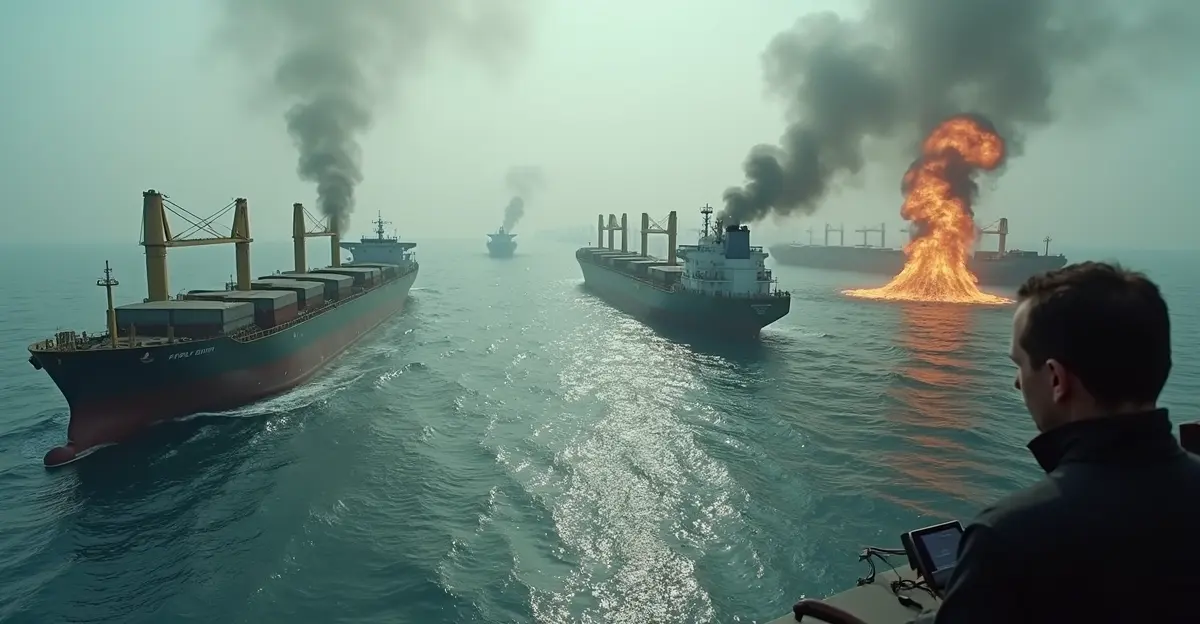
Venezuela, home to the world's largest proven oil reserves, has increasingly relied on what experts call a 'shadow fleet' of tankers to circumvent international sanctions. According to a report from The Independent, over 70 such vessels are currently operating in Venezuelan waters, with 38 specifically under U.S. Treasury sanctions.
The economic impact has been severe. Data from energy analysts shows Venezuelan crude exports have plummeted 76% from 1.08 million barrels per day in December 2024 to just 258,000 barrels per day following the blockade implementation. This represents a devastating blow to Venezuela's already fragile economy, which the IMF projects will see only 0.5% GDP growth and 269.9% inflation for 2025.
International Law and Accusations of Piracy
The Venezuelan government has responded with fierce condemnation, labeling the seizures as 'a gross act of international piracy.' President Maduro has accused the U.S. of seeking regime change and control over Venezuela's natural resources. 'This is not about drugs or terrorism—this is about Trump wanting our oil, our gas, our gold,' Maduro declared in a televised address.
Legal experts are divided on the actions' legitimacy. An analysis by The Conversation notes that under the UN Convention on the Law of the Sea (UNCLOS), which the U.S. accepts as binding, exclusive jurisdiction typically belongs to the flag state unless specific exceptions apply. However, the questionable registration status of some vessels might provide legal justification for interdiction.
Regional Military Buildup and Broader Strategy
The maritime operations coincide with a significant U.S. military buildup in the Caribbean region. Since early September 2025, American forces have conducted dozens of airstrikes against vessels allegedly transporting drugs, resulting in at least 100 casualties according to regional reports. The U.S. maintains that these actions target what officials describe as Venezuela's 'narcoterrorist drug network.'
However, regional experts question the narrative. 'The U.S. is exaggerating Venezuela's role in drug trafficking to justify military intervention,' noted Dr. Maria Rodriguez, a Latin American studies professor at Georgetown University. 'This represents a dangerous escalation that could destabilize the entire region.'
The broader geopolitical implications are significant. According to ABC News reporting, the U.S. currently has 11 warships deployed in the Caribbean, representing the largest naval presence in the region since the Cold War.
Market Impacts and Global Energy Security
While the immediate impact on global oil markets has been contained—Reuters analysis suggests no global supply crunch is expected—the operations have exposed vulnerabilities in global energy supply chains. Very Large Crude Carrier (VLCC) rates have reached three-year highs, and Caribbean tanker economics have fundamentally changed.
The situation remains fluid, with the latest vessel still being pursued rather than seized as of reporting time. What's clear is that the Trump administration has shifted from economic pressure to direct maritime confrontation, creating what one shipping executive called 'the most dangerous situation for commercial shipping in the Caribbean in decades.'
As Venezuela vows to take the matter to the UN Security Council and the U.S. continues its enforcement operations, the stage is set for continued tension in what has become one of the most volatile geopolitical flashpoints of 2025.
Follow Discussion