Nederlands
 English
 Deutsch
 Français
 Español
 Português





US Forces Intercept Sanctioned Tanker in Caribbean Waters
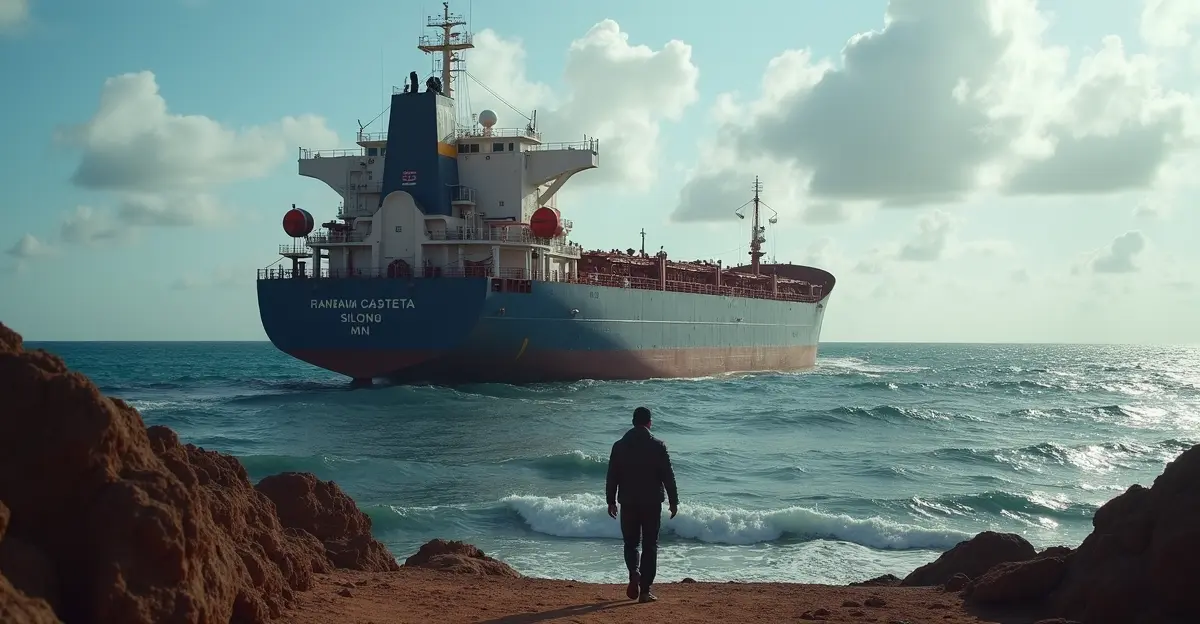
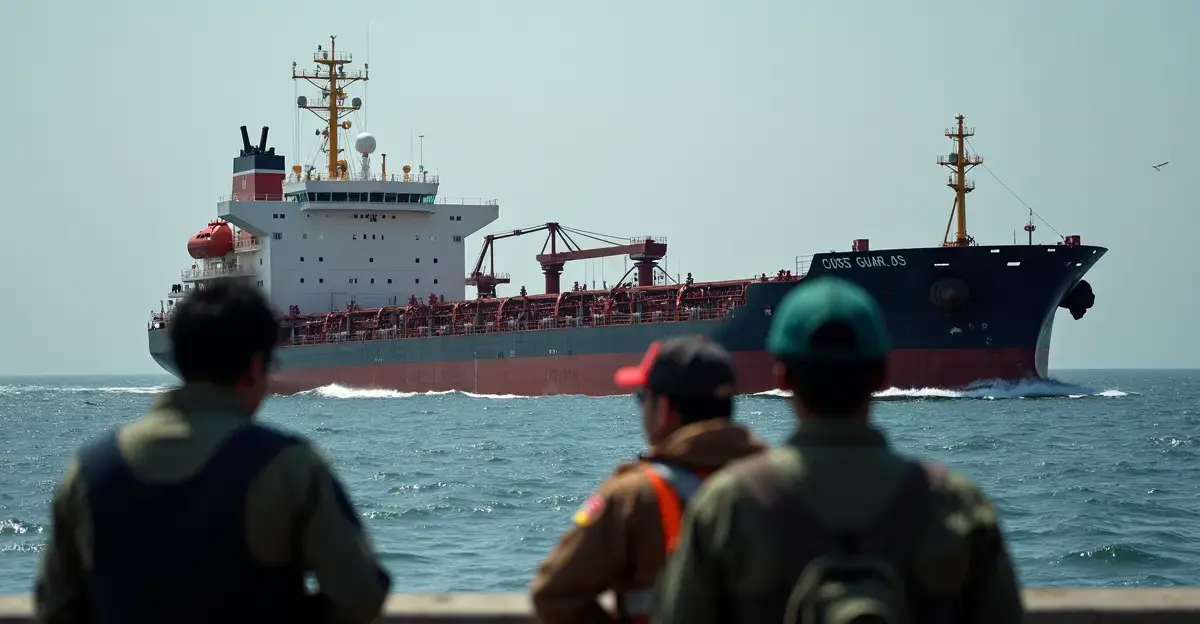
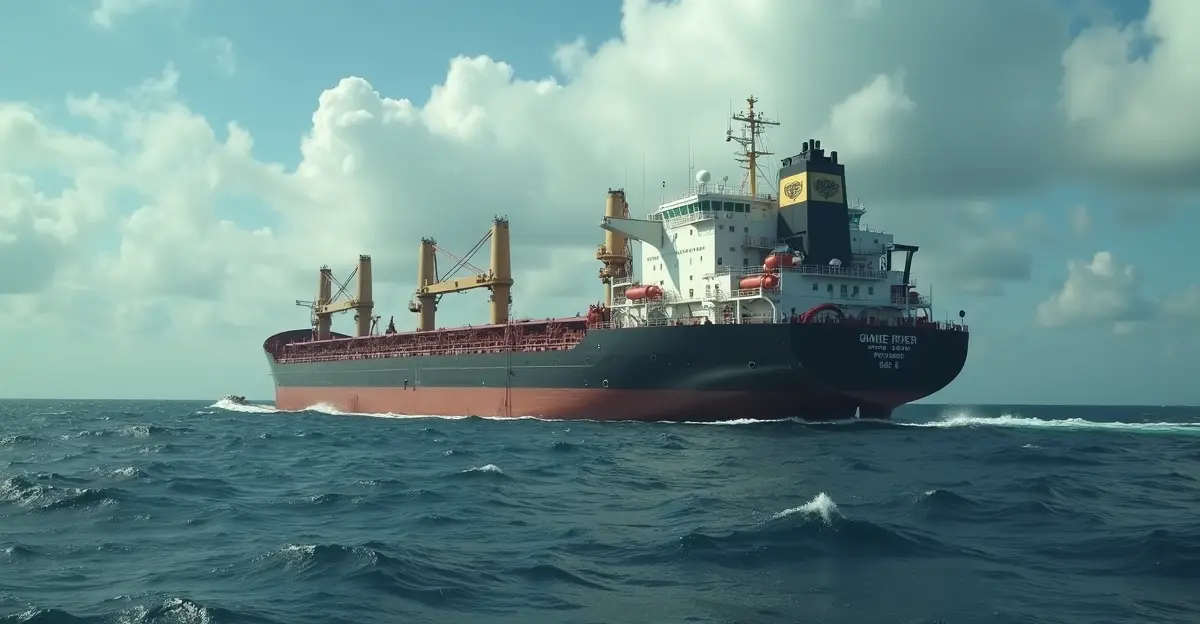
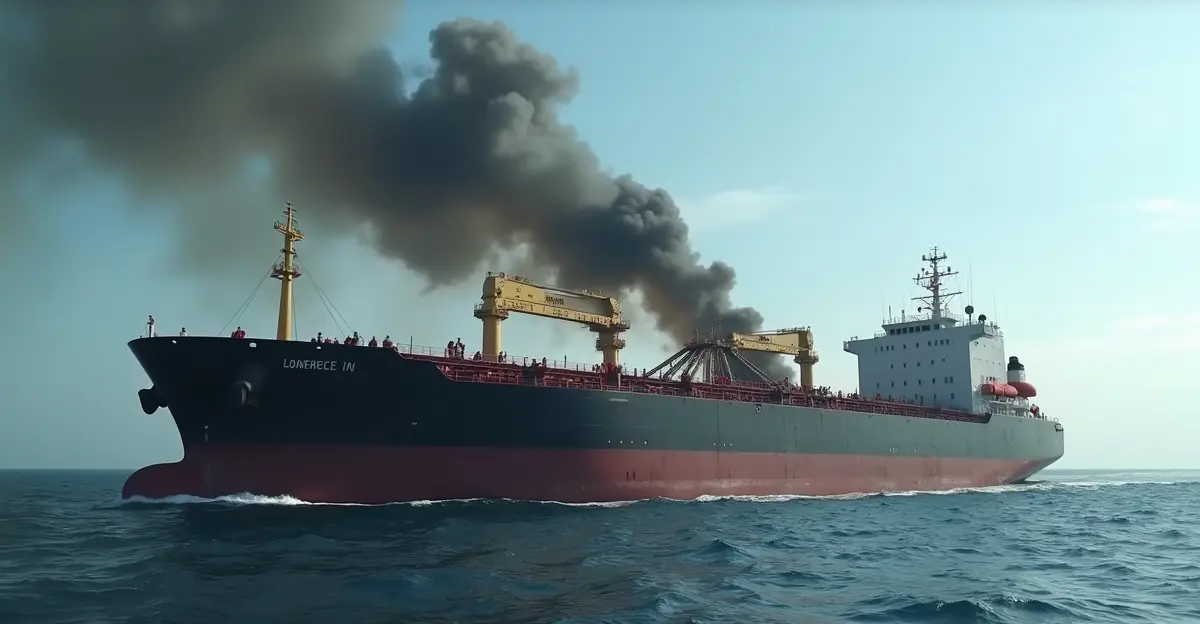
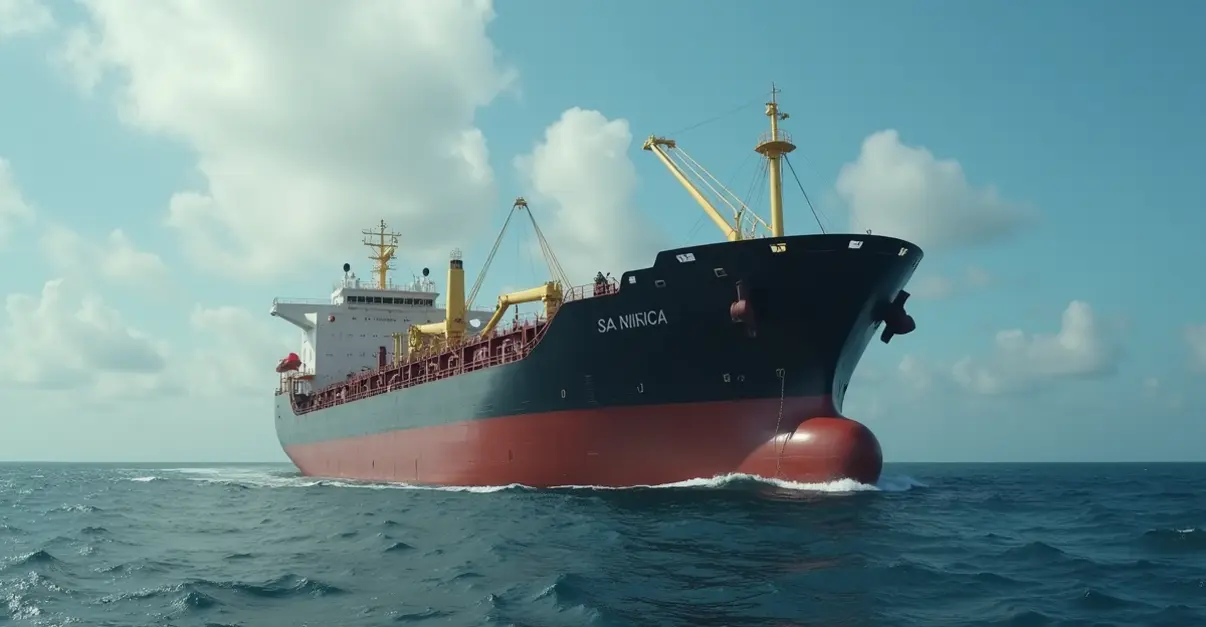
The United States has seized a second oil tanker off the coast of Venezuela in just ten days, marking a significant escalation in Washington's campaign against President Nicolás Maduro's regime. According to exclusive reports, U.S. Coast Guard and military forces intercepted the Panama-flagged tanker 'Centuries' in international waters near Venezuela on December 20, 2025.
The 333-meter-long vessel was reportedly carrying Venezuelan crude oil when it was boarded and seized by American forces. This operation follows the December 10 seizure of the tanker 'Skipper,' which was transporting approximately 1.85 million barrels of crude valued at over $90 million.
Trump's 'Total Blockade' Declaration
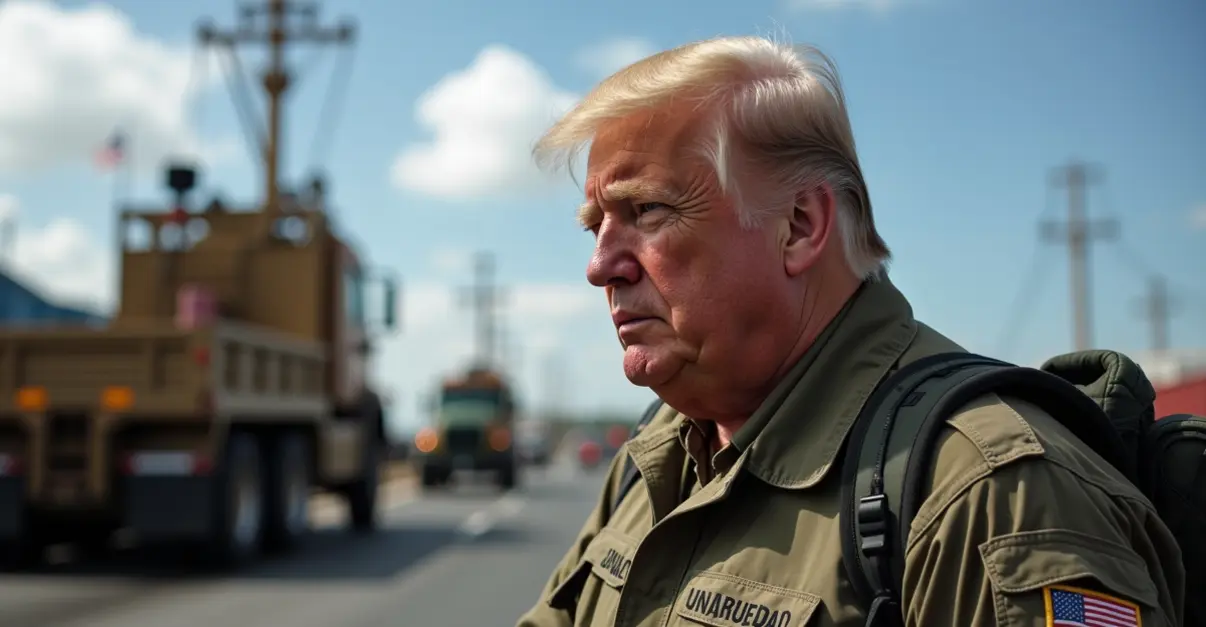
The seizures come just days after President Donald Trump announced a 'total and complete blockade' of all sanctioned oil tankers entering or leaving Venezuela. 'We will not stand by while sanctioned vessels transport black market oil that could fund narcoterrorism,' Trump stated during his announcement.
The President further clarified his position by referencing Venezuela's nationalization of oil fields in the early 2000s, which affected American investments. 'They took our oil not so long ago, and we want it back,' Trump declared, signaling a hardline approach to what he calls Venezuela's 'theft' of American assets.
Targeting Venezuela's Shadow Fleet
Venezuela, facing both U.S. and European sanctions, has become increasingly dependent on what's known as the 'shadow fleet' - a network of approximately 1,500 oil tankers used by Russia, Iran, and Venezuela to circumvent international restrictions. These vessels often operate with false registrations, disabled tracking systems, and conduct ship-to-ship transfers at sea to obscure their origins.
According to maritime experts, 'The shadow fleet now comprises nearly 1,000 tankers, representing about 19% of global oil tanker capacity,' enabling Venezuela to maintain exports despite international restrictions. The U.S. Treasury's Office of Foreign Assets Control recently sanctioned 29 additional shadow tankers on December 18, bringing the total to over 180 vessels sanctioned since January 2025.
Military Buildup and Regional Tensions
The tanker seizures occur amid a significant U.S. military buildup in the Caribbean region. American forces have been conducting airstrikes against suspected drug boats since September 2025, resulting in approximately 100 casualties according to reports. The White House has positioned substantial naval assets in the area, including aircraft carriers and support vessels.
Venezuelan President Nicolás Maduro has accused the U.S. of attempting to overthrow his government. 'This is international piracy and theft of our resources,' Maduro stated following the first seizure. 'Trump wants our oil and will stop at nothing to get it.'
Legal experts note the complex international law implications of these seizures. While the U.S. claims jurisdiction based on sanctions violations, Venezuela and some international observers question the legality of intercepting vessels in international waters.
Economic Impact and Global Oil Markets
The blockade and seizures have already significantly impacted Venezuela's oil exports, which had reached about 780,000 barrels per day in October 2025. According to the Atlantic Council analysis, 'The move could potentially impact global oil prices by $5-8 per barrel if all Venezuelan exports are blocked.'
Approximately 30 oil tankers currently in Venezuelan waters fall under U.S. sanctions and cannot enter the Caribbean Sea due to the blockade. This has created logistical nightmares for international shipping and raised concerns about potential environmental risks from stranded vessels.
The U.S. Department of Justice has unsealed warrants for the seized vessels, indicating ongoing legal proceedings. Meanwhile, regional neighbors including Curaçao and Aruba have requested that U.S. military aircraft activate their transponders to improve airspace safety.
As tensions continue to escalate, the international community watches closely to see whether this maritime confrontation will lead to broader conflict or force diplomatic negotiations between Washington and Caracas.