Deutsch
 English
 Español
 Français
 Nederlands
 Português

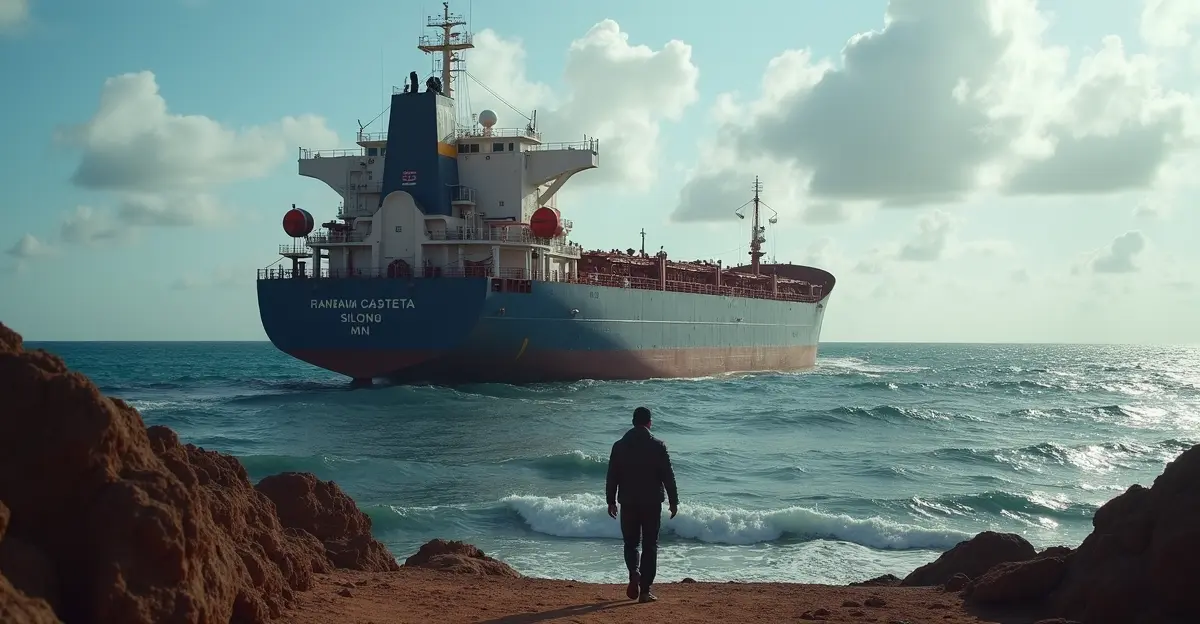





Caribbean Island Becomes Hub for US Venezuela Oil Strategy
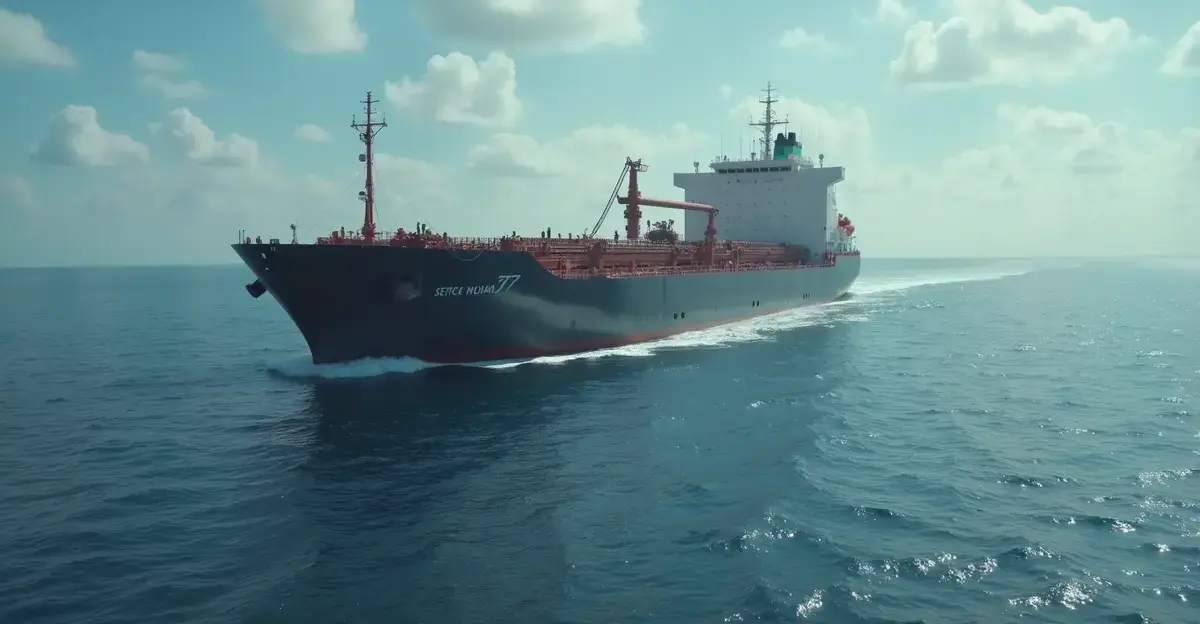
The first tanker carrying Venezuelan crude oil has arrived at Curaçao's Bullenbaai terminal, marking a significant development in the United States' post-Maduro strategy for Venezuela's vast oil resources. The MV Regina docked yesterday morning at the facility that houses the massive Isla refinery and the Caribbean's largest oil storage capacity of 17 million barrels.
Curaçao's Prime Minister Gilmar 'Pik' Pisas, who was photographed smiling broadly alongside the tanker, called the development an economic 'windfall' for the island. 'There's a golden opportunity coming for Curaçao,' Pisas had cryptically announced earlier after meetings with oil industry executives. 'Stay tuned.'
US Plans for Venezuela's Oil Wealth
The Regina carries the first portion of 4.8 million barrels of oil that the US initially plans to extract from Venezuela, with ambitions to quickly ramp up to 50 million barrels worth approximately $2.8 billion. According to US government documents, the Trump administration reserves the right to continue exports 'indefinitely.'
This development follows the dramatic capture of Venezuelan President Nicolás Maduro by US forces on January 3, 2026. President Trump has made revitalizing Venezuela's oil industry a priority, despite the country's massive $150 billion in foreign debt, including nearly $14 billion owed to ConocoPhillips and ExxonMobil from nationalization disputes.
Logistical Expertise from Dutch-Linked Traders
Commodity trading giants Vitol and Trafigura, both with headquarters in the Netherlands, have signed on to handle logistics for the operation. 'As one of the world's largest independent oil traders, with our own fleet and logistics network, we are among the few companies that can execute an operation of this scale and complexity,' Trafigura stated in a press release.
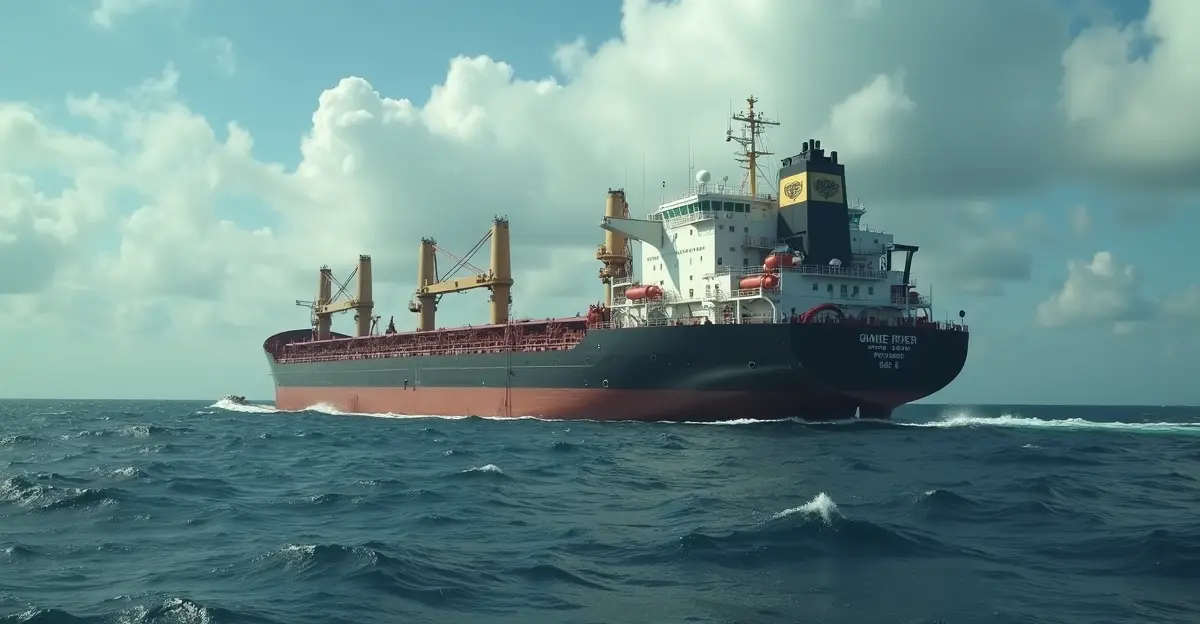
However, industry insiders note these companies have higher 'risk tolerance' than major oil corporations. Three additional ships - the Marbella, Rene, and Volans - are expected to follow soon, all previously part of Venezuela's 'shadow fleet' that secretly transported oil to China.
Legal and Political Complications
Significant legal questions surround the operation. Venezuela's acting president Delcy Rodríguez has angrily denounced Maduro's capture as a kidnapping intended to seize the country's natural resources. International law experts have raised concerns about the legality of exporting another nation's natural resources.
President Trump has attempted to preempt creditor claims by decreeing that payments must flow through US accounts and that old creditors cannot access these funds. 'I didn't like that,' Trump reportedly said about Exxon CEO Darren Woods' statement that Venezuela was 'not investable,' threatening to exclude Exxon from future participation.
Curaçao's Economic Opportunity
For Curaçao, this represents a potential revival of its oil industry. The Isla refinery has been idle for years since Venezuela's state oil company PDVSA withdrew due to needed multi-million dollar renovations and domestic unrest. Where neighboring Aruba has deliberately distanced itself from oil, successive Curaçao governments have tried to revive the sector that once employed nearly 1,000 people.
Caribbean correspondent Dick Drayer notes: 'On Curaçao, this development in relation to Venezuela is not seen as politically sensitive or risky, unlike for example the American drug interventions and the invasion that followed. For Curaçao, the feeling of economic opportunities to strengthen its own position in the Caribbean now dominates.'
Bloomberg reports that a $6.50 per barrel discount is being offered to attract potential buyers, with talks already underway with oil companies in India and China. While Venezuela possesses the world's largest oil reserves at 303 billion barrels, its difficult-to-extract heavy crude and political instability have kept production at just 1% of global output.