


 Deutsch
 English
 Español
 Français
 Nederlands
 Português


 Share
Share




US Navy Boards Sanctioned Oil Tanker in Indian Ocean After 15,000-Kilometer Pursuit
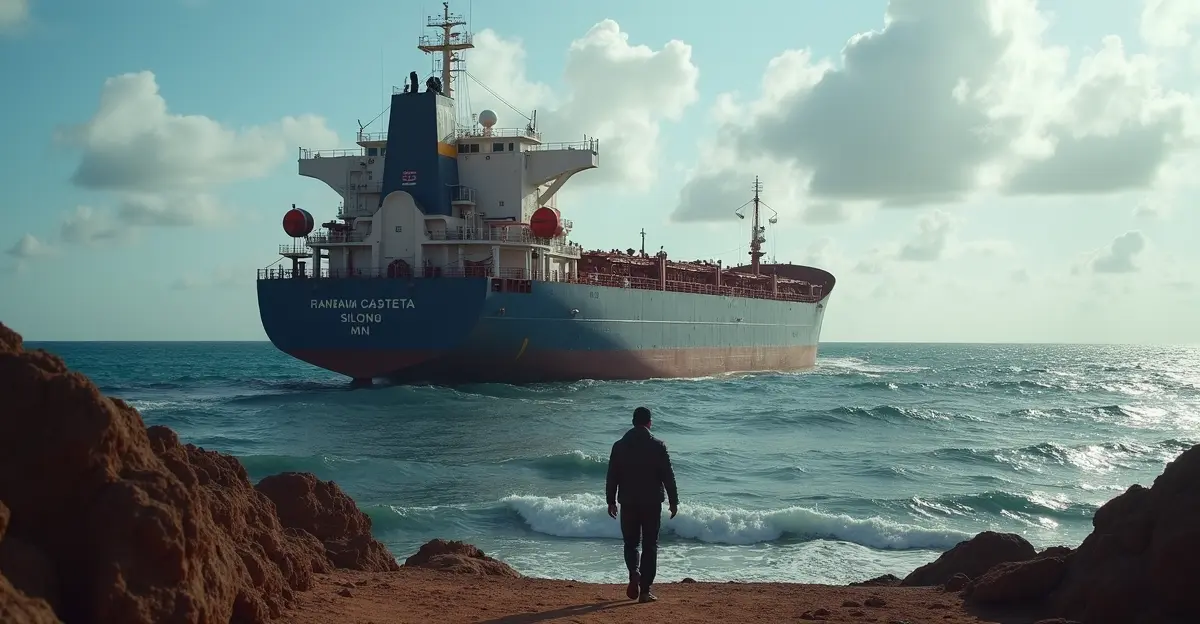
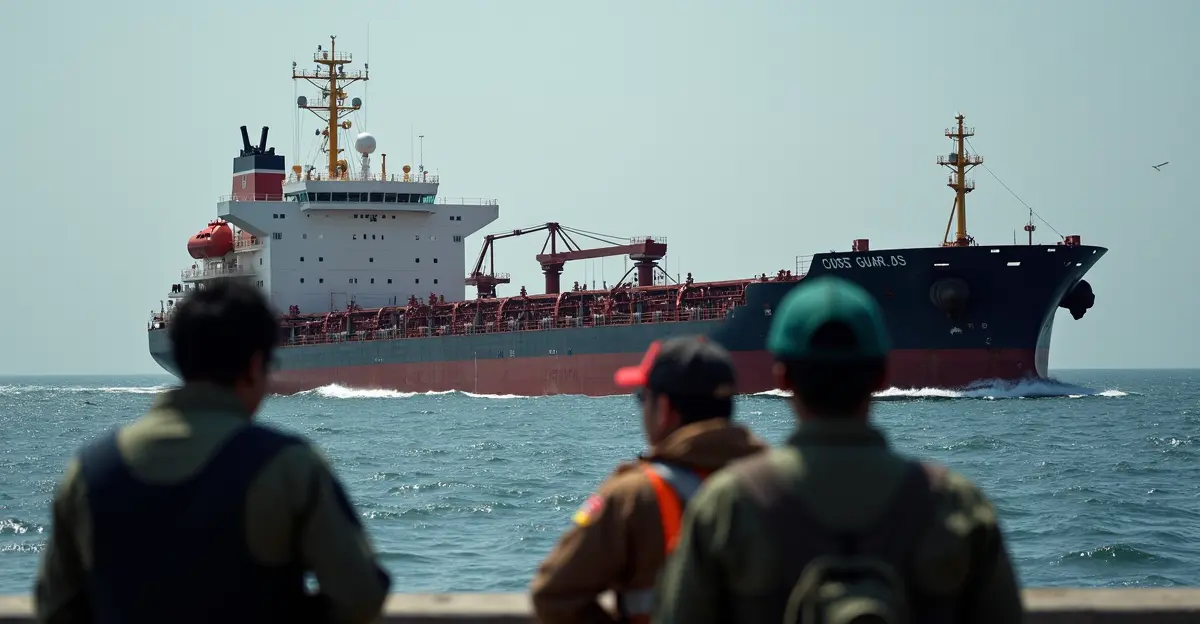
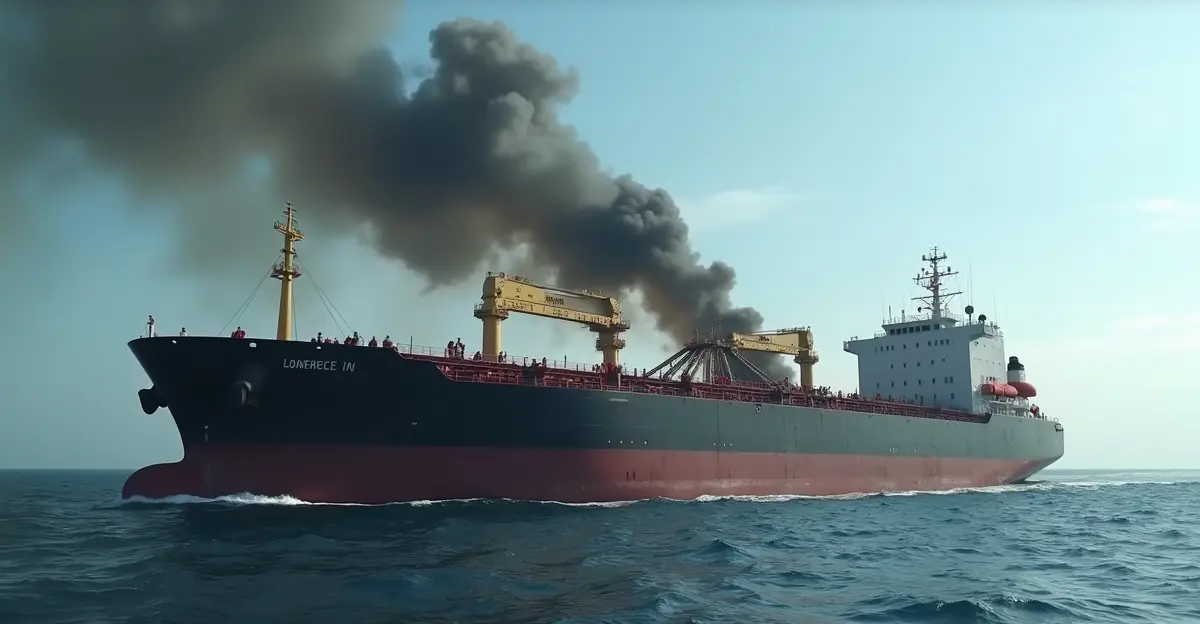
In a dramatic escalation of sanctions enforcement, the United States Navy has intercepted and boarded the Panamanian-flagged oil tanker Aquila II in the Indian Ocean after tracking the vessel for approximately 15,000 kilometers from Venezuela's Caribbean coast. This unprecedented operation, conducted on February 10, 2026, represents the longest pursuit of a sanctioned vessel under President Trump's Venezuela oil blockade and signals a significant expansion of US maritime enforcement capabilities.
What is Operation Southern Spear?
Operation Southern Spear is the US military campaign targeting sanctioned oil tankers trading with Venezuela that began on December 10, 2025. The operation involves US Coast Guard, Navy, Marines, and Army special operations forces, supported by UK forces, and represents the largest US naval deployment in the Caribbean since the Cuban Missile Crisis. The blockade aims to disrupt Venezuela's oil exports, which are crucial to the country's economy, by physically interdicting tankers carrying sanctioned Venezuelan crude.
The Aquila II Interception: Key Details
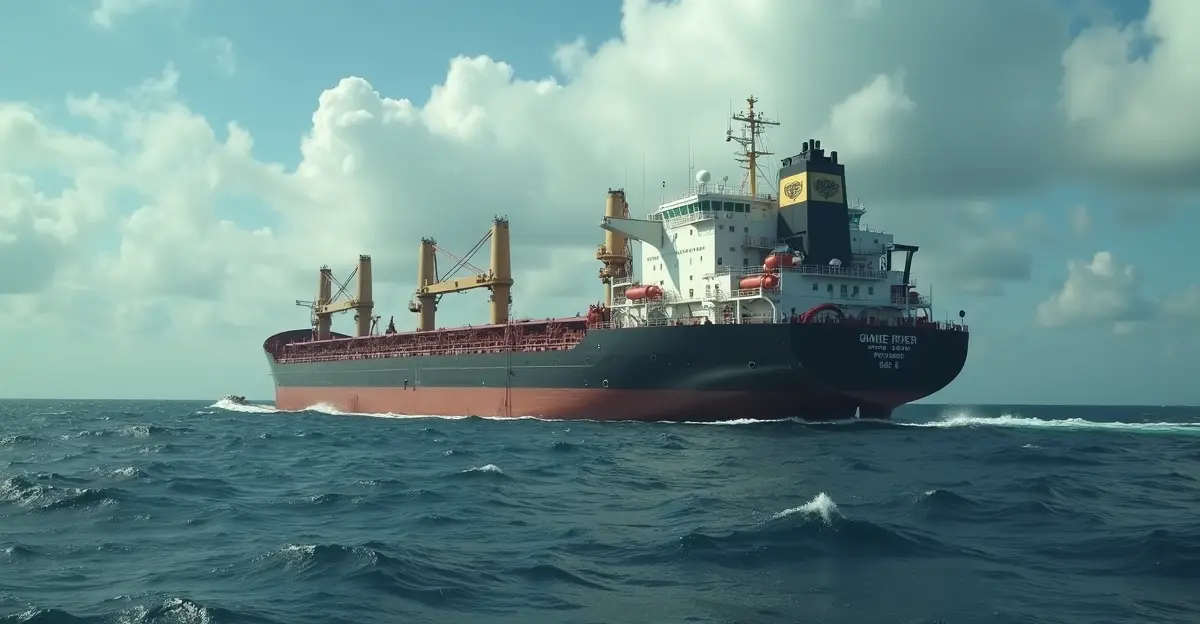
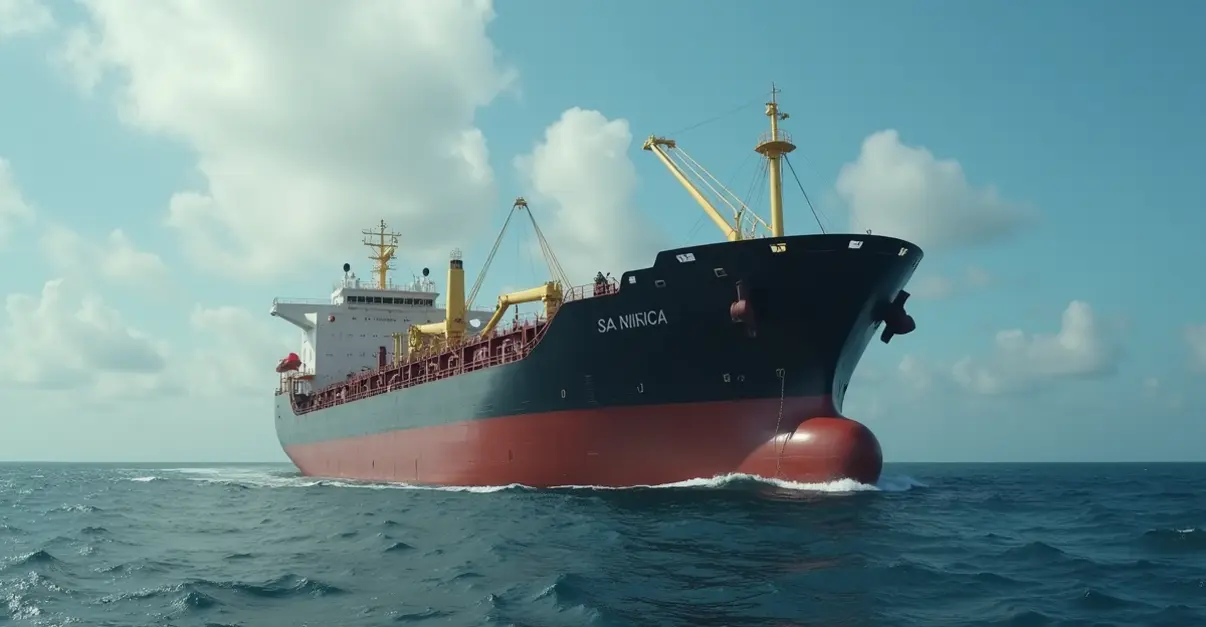
The 275-meter Aquila II was carrying approximately 700,000 barrels of Venezuelan heavy crude oil bound for China when it was intercepted near Indonesia's Sunda Strait in the Indian Ocean. According to the US Department of Defense, the vessel had been tracked since early December 2025 and was operating under the alias 'Cape Balder' with its transponder off—standard practice for shadow fleet vessels attempting to evade detection.
US servicemembers boarded the tanker from a helicopter without incident, executing what American authorities described as a 'right of visit' under international maritime law. The tanker, which sails under the Panamanian flag, had been sanctioned by the US Treasury Department in January 2026 for alleged links to Russia's energy sector following the 2022 invasion of Ukraine.
Why is the US Targeting Venezuelan Oil Tankers?
Sanctions Enforcement and Economic Pressure
The Trump administration has significantly escalated pressure on Venezuela since the capture of former Venezuelan leader Nicolás Maduro in January 2026. Maduro and his wife were transported to the United States where they face charges including narcoterrorism and cocaine importation. Following this development, President Trump announced intentions to 'run Venezuela and pump oil again,' signaling a strategic shift toward controlling Venezuela's oil production, refining, and global distribution.
The US blockade has created substantial supply disruptions, particularly affecting China-bound Venezuelan oil shipments. January 2026 loadings fell to about 400,000 barrels per day, representing a significant reduction from previous levels. At least eight tankers have been seized or boarded since December 2025 as part of this enforcement campaign.
Legal Basis and International Reaction
The United States justifies these actions under warrants for transporting sanctioned oil, citing the vessels' involvement in what US officials describe as 'narco-terrorist' networks. However, the operations have drawn sharp international criticism. Venezuela has condemned the seizures as 'international piracy,' while Russia has accused the US of violating international maritime law. Several interceptions have occurred on what critics describe as 'doubtful legal grounds,' raising questions about the long-term implications for freedom of navigation.
Impact and Implications of the Indian Ocean Operation
Geographic Expansion of Enforcement
The Aquila II interception marks a dramatic expansion of US sanctions enforcement geography. Previous operations focused primarily on the Caribbean Sea and nearby Atlantic waters, but this pursuit from the Caribbean to the Indian Ocean demonstrates Washington's willingness to pursue shadow fleet vessels globally. This represents a significant escalation in the scope of maritime interdiction operations.
Economic Consequences for Venezuela
Venezuela possesses the world's largest proven oil reserves, estimated at over 300 billion barrels, but its oil industry has been crippled by years of mismanagement, corruption, and now intensified US sanctions. The blockade has effectively cut off a crucial revenue stream for the Venezuelan government, which relies on oil exports for approximately 95% of its foreign currency earnings. The economic impact has been devastating, with hyperinflation and widespread shortages affecting the Venezuelan population.
Future of US-Venezuela Relations
The intensified blockade and military operations signal a new phase in US-Venezuela relations, moving from diplomatic and economic pressure to direct kinetic action. With Maduro in US custody and the Trump administration expressing intentions to control Venezuela's oil industry, the situation represents one of the most significant geopolitical developments in the Western Hemisphere in decades.
Frequently Asked Questions (FAQ)
What is the 'right of visit' in maritime law?
The 'right of visit' is a principle in international maritime law that allows warships during wartime to stop, board, and inspect neutral merchant vessels to determine nationality, examine cargo, and verify compliance with naval blockades. In peacetime, this right only applies in specific circumstances outlined in UNCLOS Article 110, including suspicion of piracy, slavery, or unlawful broadcasting.
How many oil tankers has the US intercepted since December 2025?
According to available reports, the United States has seized or boarded at least eight oil tankers since Operation Southern Spear began in December 2025. The Aquila II represents the eighth confirmed interception and the first to occur in the Indian Ocean.
Why is Venezuela's oil so important to the US?
Venezuela's oil is strategically important due to its proximity to the United States, the quality of its heavy crude (which is ideal for US Gulf Coast refineries), and geopolitical considerations. Controlling Venezuelan oil production allows the US to influence global oil markets and reduce dependence on Middle Eastern suppliers.
What happens to intercepted oil tankers?
Intercepted tankers are typically held while their fate is decided. Some vessels are formally placed under US control and their cargo seized, while others may be released after inspection. The Aquila II is currently being held pending a decision on whether to formally seize the vessel and its cargo.
How has China responded to these interceptions?
China, as a major importer of Venezuelan oil, has expressed concern about the disruptions to its energy supply. However, Beijing has been relatively restrained in its public response, likely due to broader geopolitical considerations in its relationship with the United States.
Follow Discussion