


 Deutsch
 English
 Español
 Français
 Nederlands
 Português


 Share
Share




In mid-2026, three of the world's most critical maritime chokepoints—the Strait of Hormuz, the Red Sea–Suez corridor, and the Panama Canal—are under simultaneous strain for the first time in modern history. Together handling roughly 40% of global containerized trade, their combined disruption is driving shipping rates to multi-year highs and forcing a structural rewiring of international supply chains.
The Anatomy of the Triple Chokepoint Shock
The 2026 triple chokepoint crisis is not a single event but a convergence of three distinct yet deeply interconnected disruptions.
Strait of Hormuz: The Oil Artery Closes
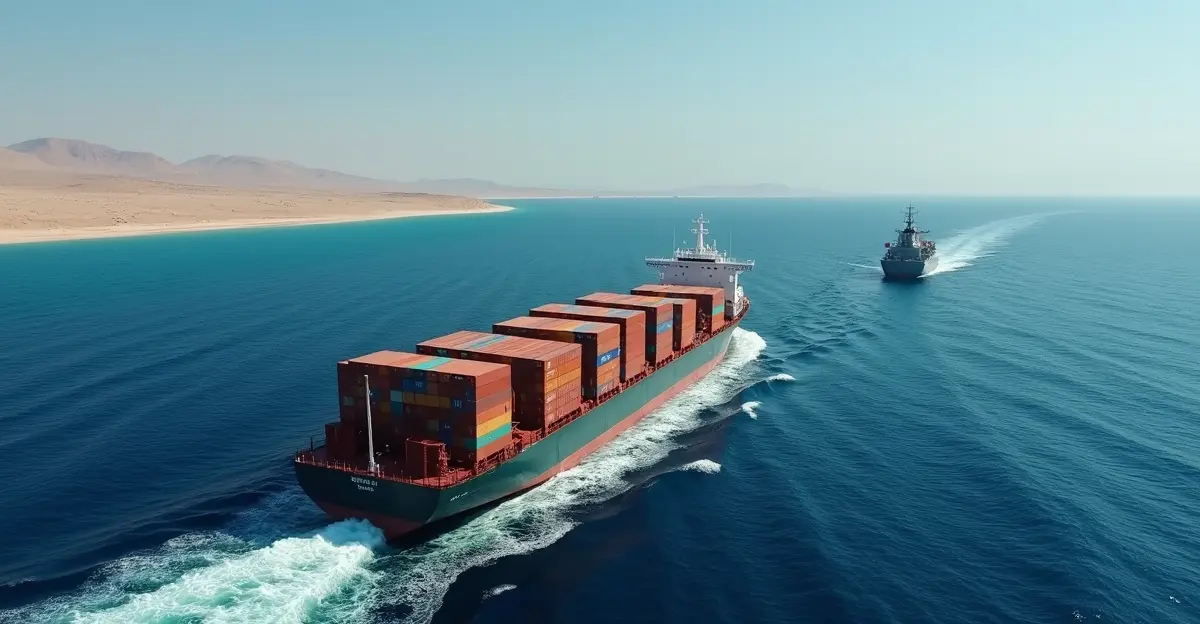
On February 28, 2026, US and Israeli strikes on Iranian nuclear sites triggered Iran's closure of the strait on March 2. Traffic—normally 20 million barrels of oil per day, one-fifth of global supply—collapsed by more than 90%. Brent crude surged from $75 to $118 per barrel.
The International Energy Agency called it the largest supply disruption in oil market history. War-risk insurance premiums leaped from 0.125% to 5% of hull value, adding roughly $5 million per tanker transit. A Pakistan-brokered ceasefire in April brought only partial relief: throughput remained at 5% of normal, and new tanker attacks in July underscored the enduring fragility.
Red Sea and Suez: The Houthi Siege Continues
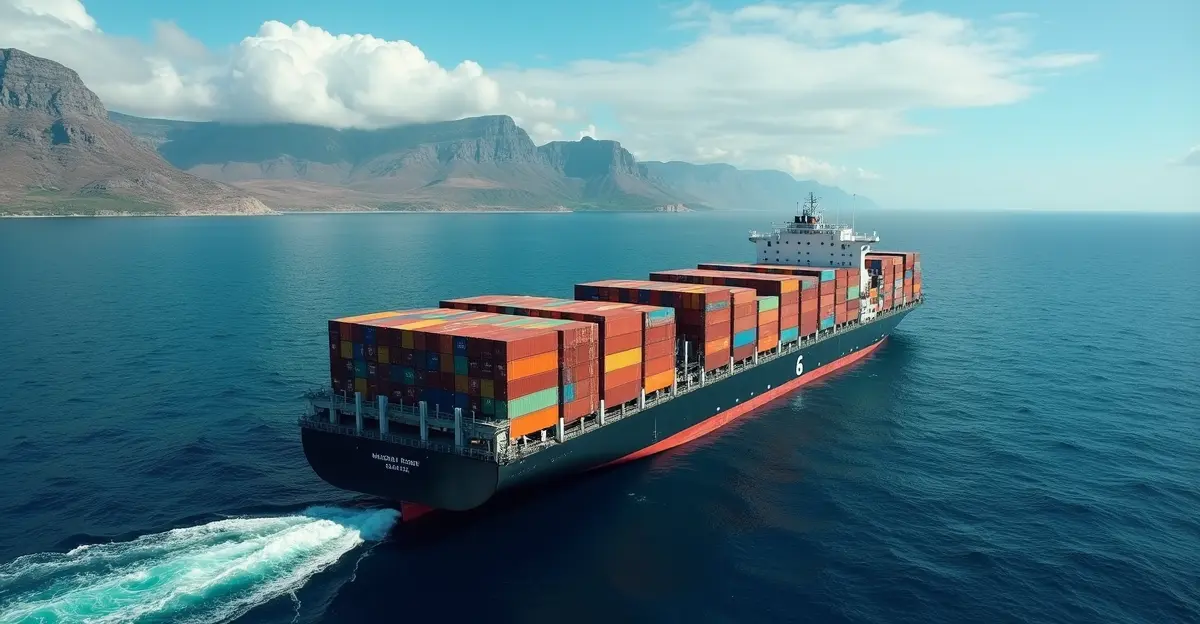
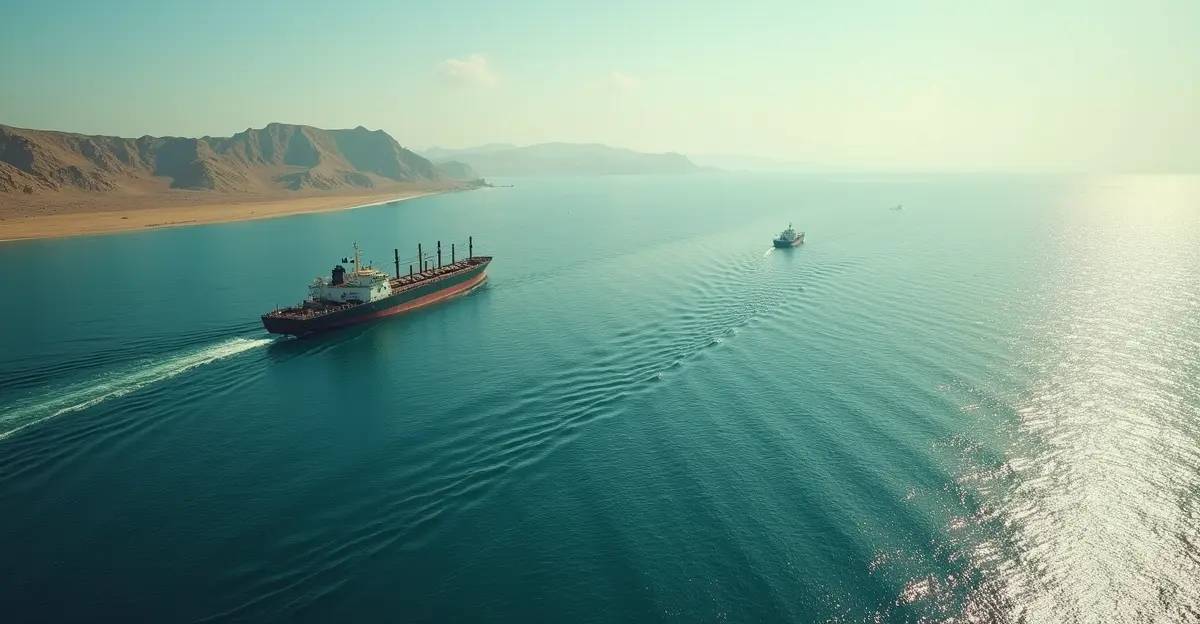
Since November 2023, Yemen's Houthi movement has launched over 190 attacks on vessels in the Red Sea and Gulf of Aden. The campaign continues into 2026, with a fresh wave of missile and drone strikes on February 8. Major carriers—Maersk, MSC, CMA CGM, and Hapag-Lloyd—have largely abandoned the Suez Canal for the Cape of Good Hope.
The Cape diversion adds 10–14 days to Asia–Europe voyages, pushing container freight rates up 60–80%—from $350–400 to $1,100–1,200 per FEU. Egypt's Suez Canal revenues have fallen by an estimated 50%, dealing a heavy blow to its economy.
Panama Canal: Climate Chokes a Critical Shortcut
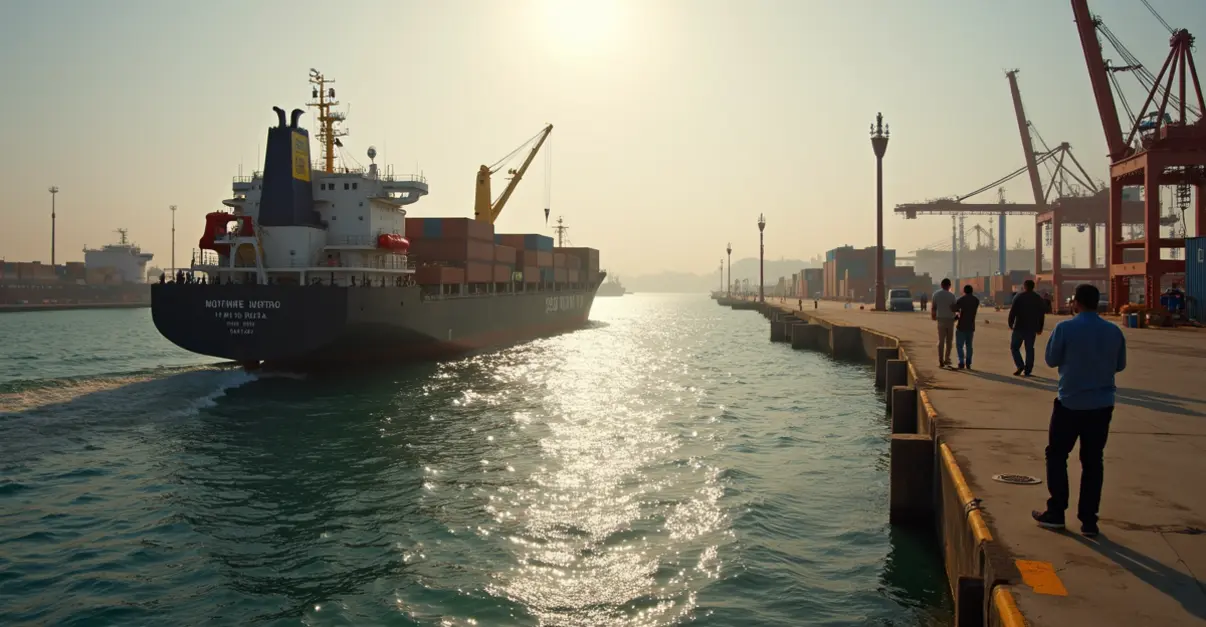
While geopolitics dominate the other chokepoints, the Panama Canal faces a different foe: drought. The Panama Canal Authority confirmed that transit restrictions will remain through all of 2026, with daily slots capped at 24–32 vessels—well below the historical 36–38. Maximum draft is limited to 44 feet, preventing fully laden Neo-Panamax ships from passing.
Gatun Lake, the canal's primary water source, has dropped to unprecedented lows. Auction fees for scarce transit slots have surged, adding hundreds of thousands of dollars per voyage. Some carriers are turning to US intermodal rail solutions or the Suez route—but with Suez itself under threat, alternatives are vanishing.
Compounding Effects: Why Simultaneity Matters
The true danger of the triple chokepoint crisis lies in compounding. A shipper that would reroute Panama traffic via Suez now finds both routes compromised. A tanker avoiding Hormuz still faces Houthi risk in the Red Sea. The CSGEF research group estimates the combined disruptions compress roughly 40% of global containerized trade.
Overall shipping costs have risen 15–30%, with some lanes up 60–80%. Delivery delays of 15–20 days are disrupting just-in-time manufacturing from automotive to electronics. Fertilizer costs have jumped $50–60 per tonne, threatening food prices in import-dependent regions. An IMF working paper from February 2026, titled From Ports to Prices, traced how these supply chain bottlenecks transmit directly into consumer inflation.
We are witnessing a structural shift, not a temporary disruption, said a senior analyst at risk-management firm Resilinc. Companies are building redundancy into supply chains that assumed at least one major chokepoint would always remain open.
The Great Rerouting: New Corridors Emerge
The crisis is accelerating investment in alternative corridors. The Arctic Northern Sea Route has seen surging commercial interest for the 2026 summer season, offering 30–40% distance savings for Asia–Europe shipments, though icebreaker dependency and insurance costs limit its appeal to niche cargoes.
The India–Middle East–Europe Economic Corridor (IMEC), announced at the 2023 G20, has gained new urgency. Its rail-and-sea link from India via the Gulf to Greece could save 47.5% in fuel versus the Suez Canal. Saudi Arabia's East-West pipeline to Yanbu has become a lifeline for crude exports bypassing Hormuz.
Some Asian exporters are adopting nearshoring and friendshoring strategies to reduce long-haul maritime exposure, while North American intermodal rail absorbs diverted Panama traffic.
FAQ
What is the triple chokepoint crisis? It refers to the simultaneous 2026 disruption of the Strait of Hormuz, Red Sea–Suez corridor, and Panama Canal—three maritime passages handling roughly 40% of global containerized trade.
How much have shipping costs risen? Average global shipping costs are up 15–30%, with some Asia–Europe container lanes seeing 60–80% increases. Hormuz war-risk premiums added up to $5 million per tanker transit at peak.
What alternatives exist? Key alternatives include the Cape of Good Hope rerouting, the Arctic Northern Sea Route, the IMEC overland corridor, and North American intermodal rail.
How long will disruptions last? Panama restrictions are confirmed through 2026. Hormuz throughput remains at 5% of normal, and Red Sea attacks show no signs of abating. Most analysts expect disruption into 2027.
Which sectors are most exposed? Energy, chemicals, automotive, electronics, and agriculture face the greatest pressure. India's $28.6 billion chemical export sector and global fertilizer supply chains are particularly vulnerable.

Follow Discussion