Nederlands
 English
 Deutsch
 Français
 Español
 Português





The Dollar Dilemma: Trump's Currency Conundrum
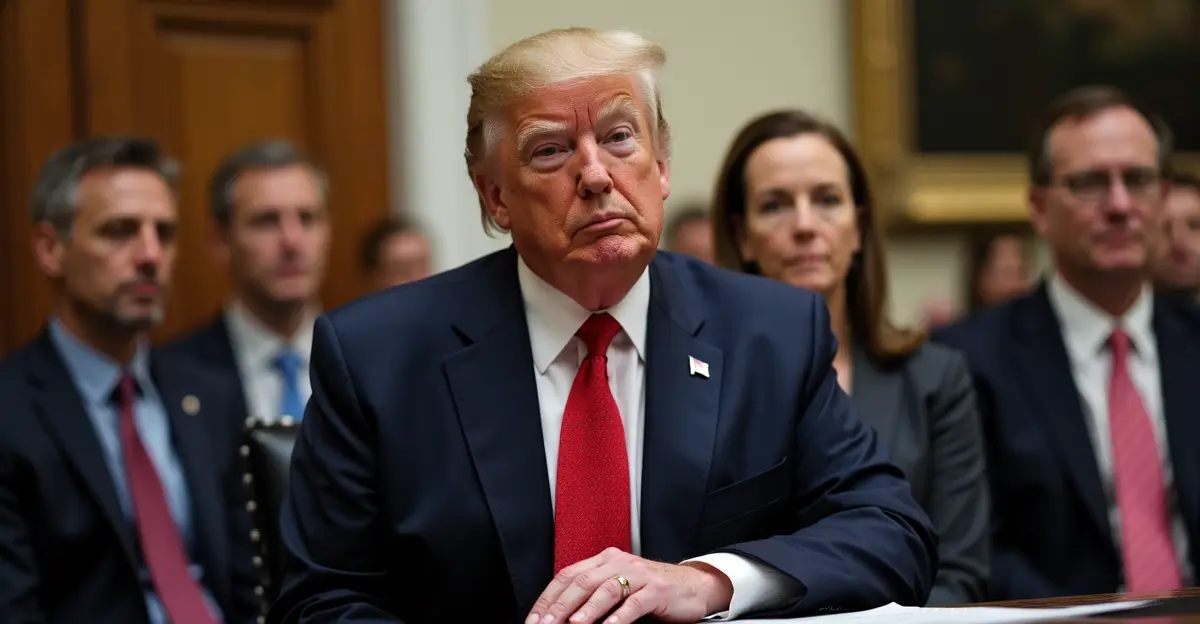
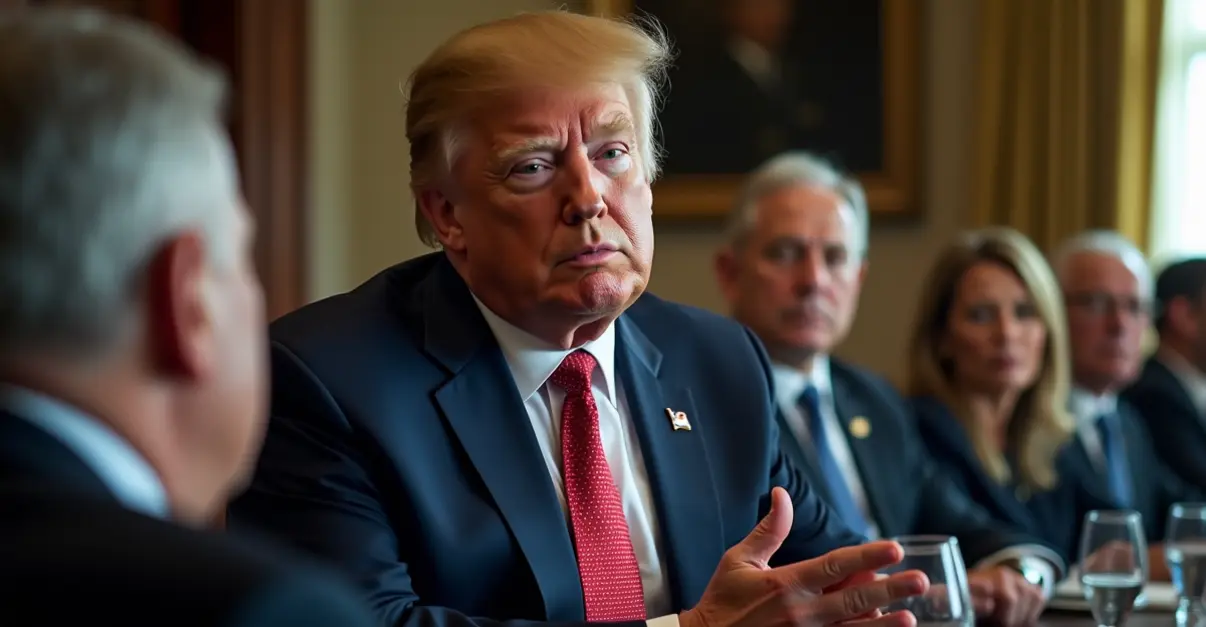
The U.S. dollar has been on a steady decline for months, hitting near four-year lows as President Donald Trump openly embraces its weakness. Speaking aboard Air Force One, Trump stated he sees the dollar's slide as 'great news' for American exports, but economists warn this stance is creating a dangerous paradox for the Federal Reserve.
'A weaker dollar makes everything we produce cheaper overseas,' Trump told reporters, echoing his long-standing belief that currency devaluation benefits U.S. manufacturers. However, this perspective overlooks critical economic realities that could undermine his own policy goals.
The Inflation Trap
While a weaker dollar might boost exports temporarily, it simultaneously makes imports more expensive—a dangerous proposition when inflation remains stubbornly high. According to CNBC's latest analysis, the dollar index dropped nearly 2.7% in just one week following Trump's comments, marking its steepest decline since April.
'Everything you import becomes more expensive, and with significant foreign trade, this can actually drive inflation higher,' explains economist Mike Skordeles of Truist. 'This doesn't help when inflation is already elevated, as it is in the U.S.'
The Fed's Impossible Position
Trump's dollar strategy puts the Federal Reserve in an impossible bind. The president has repeatedly called for interest rate cuts to stimulate economic growth, but a weakening dollar makes it harder for the Fed to justify such moves. Higher import prices from a weak dollar contribute to inflation, which typically requires higher—not lower—interest rates to control.
The situation is further complicated by the upcoming leadership transition at the Fed. Jerome Powell's term ends in 2026, and Trump will appoint his successor. As noted in Forbes analysis, this creates uncertainty about whether the next Fed chair will prioritize fighting inflation or bow to political pressure for rate cuts.
Global Currency Shifts
The dollar's weakness has triggered significant movements in global currency markets. The euro surged above $1.20 for the first time since 2021, while the pound hit 4.5-year highs. Even the Japanese yen strengthened considerably against the beleaguered dollar.
European Central Bank officials have already expressed concern about the euro's strength potentially affecting inflation outlooks in the Eurozone. 'We're watching these developments closely,' one ECB official stated anonymously. 'A strong euro helps control our inflation but could hurt exports.'
The Long-Term Consequences
Beyond immediate market reactions, Trump's dollar strategy risks longer-term damage to U.S. economic credibility. Direct attacks on Federal Reserve independence, combined with trade wars and mounting public debt, undermine confidence in the world's reserve currency.
'If the new Fed chair yields to presidential pressure and cuts rates despite inflation concerns, it sends a clear message that priorities lie elsewhere than price stability,' warns financial analyst Robert Daugherty. 'That would be bad news for the dollar's long-term value.'
The dollar's decline reflects broader investor anxiety about Trump's trade policies, concerns about Fed independence, and massive public spending—despite strong U.S. economic growth of 5.4% in Q4 2025. As the currency war escalates, the very tool Trump hopes will boost the economy may instead constrain it, creating a self-defeating cycle that hurts American consumers and complicates the Fed's mission.