Nederlands
 English
 Deutsch
 Français
 Español
 Português





Trump Launches Final Selection Process for Fed Leadership
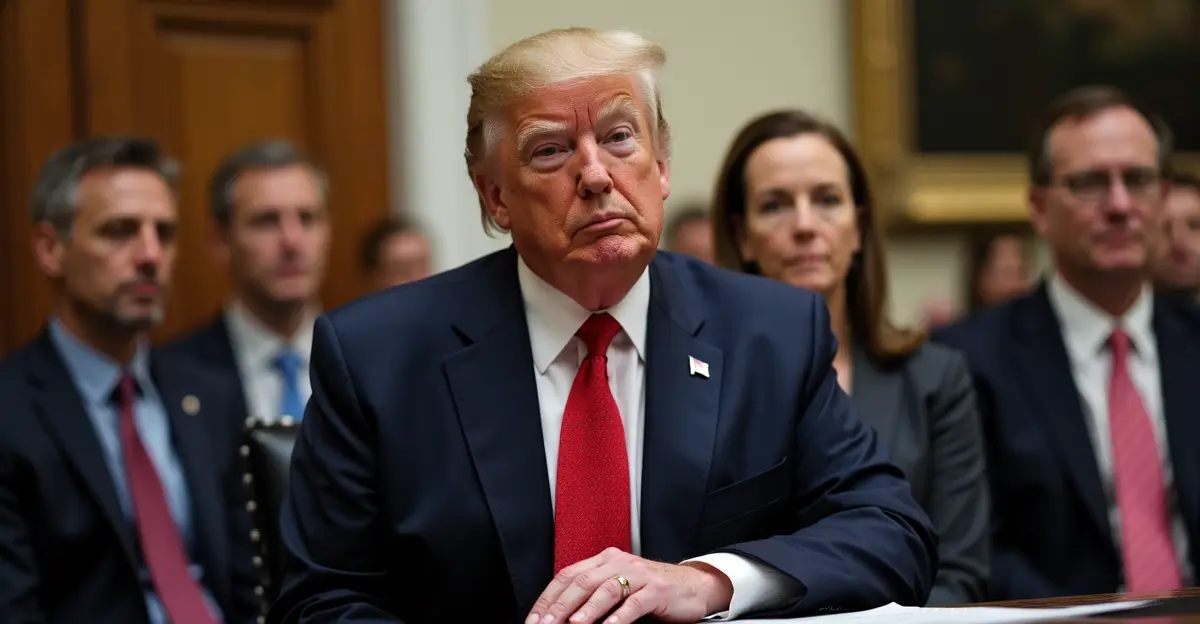
President Donald Trump has initiated the final round of interviews this week to select the next chair of the Federal Reserve, with current National Economic Council Director Kevin Hassett emerging as the clear frontrunner to replace Jerome Powell when his term expires in May 2026. The selection process, which had been temporarily derailed last week, is now back on track with interviews scheduled to begin Wednesday with former Fed Governor Kevin Warsh.
'I have a pretty good idea of who I want,' Trump told reporters aboard Air Force One, signaling his confidence in the selection process. The president's comments came as markets increasingly bet on Hassett's appointment, with a recent CNBC survey showing 84% of respondents believe Trump will choose his top economic advisor for the position.
The Candidate Pool and Selection Timeline
The candidate shortlist includes five individuals: Kevin Hassett, former Fed Governor Kevin Warsh, current Fed Governors Christopher Waller and Michelle Bowman, and BlackRock fixed income chief Rick Rieder. Treasury Secretary Scott Bessent will join Trump in the interviews, beginning with Warsh on Wednesday.
According to sources familiar with the process, the White House is considering a shortened term for Hassett, potentially creating an opportunity for Bessent to later assume the role. This strategic move would allow Trump to place a loyalist in the position while maintaining flexibility for future leadership changes.
Market Reactions and Economic Implications
Financial markets are closely monitoring the selection process, with prediction markets giving Hassett a 63-79% probability of being selected. The timing is particularly significant as the Federal Reserve announced another quarter-point interest rate cut on Tuesday evening, marking the third consecutive reduction this year.
'The next Fed chair will inherit a divided central bank facing debates over interest rate cuts versus inflation concerns,' noted one market analyst. Trump has repeatedly criticized Powell for not cutting rates quickly enough, creating tension between the White House and the traditionally independent central bank.
Controversy Surrounding Hassett's Candidacy
Despite his frontrunner status, Hassett's potential appointment has generated significant controversy. Critics express concern about his transformation into a political loyalist who prioritizes pleasing President Trump over objective economic analysis. Former colleagues have expressed alarm at Hassett's willingness to support Trump's agenda, even when it contradicts economic data.
Supporters, however, praise Hassett as a 'hard money guy' who understands inflation control. Stephen Moore, a former Trump economic advisor, told reporters, 'Kevin understands that the Fed's primary job is to maintain price stability, and he won't be swayed by political pressure.'
The Autopen Controversy and Legal Challenges
In a surprising development, Trump has raised questions about the validity of some Federal Reserve appointments made by his predecessor, Joe Biden. During a campaign rally in Pennsylvania, Trump suggested that some documents may have been signed using an autopen rather than Biden's actual signature.
'Maybe I'm wrong, but we're going to check it,' Trump told the crowd, hinting that he might attempt to remove certain Fed governors on this technicality. However, legal experts consider this possibility remote, noting that previous attempts to invalidate Biden decisions based on autopen signatures have met with skepticism.
The use of autopens dates back to President Harry Truman in the 1940s, and the Department of Justice concluded in 2005 that a president may legally authorize someone else, or an autopen, to sign documents on their behalf.
What's Next for Monetary Policy
The Federal Reserve's latest rate cut brings the target range to between 3.5% and 3.75%, but officials signaled that further reductions may be paused. This cautious approach reflects ongoing debate within the central bank about balancing economic growth concerns against persistent inflation.
According to economic analysts, the Fed faces a complicated picture with inflation remaining around 3% (above the 2% target) and weak job growth throughout 2025. The situation is further complicated by a lack of recent economic data due to a government shutdown.
The White House aims for a Christmas reveal of Trump's Fed pick, setting the stage for a potentially contentious confirmation process in the Senate. As one veteran Washington observer noted, 'Whoever Trump selects will face intense scrutiny about their commitment to Fed independence at a time when political pressure on monetary policy has never been higher.'