


 Deutsch
 English
 Español
 Français
 Nederlands
 Português


 Share
Share




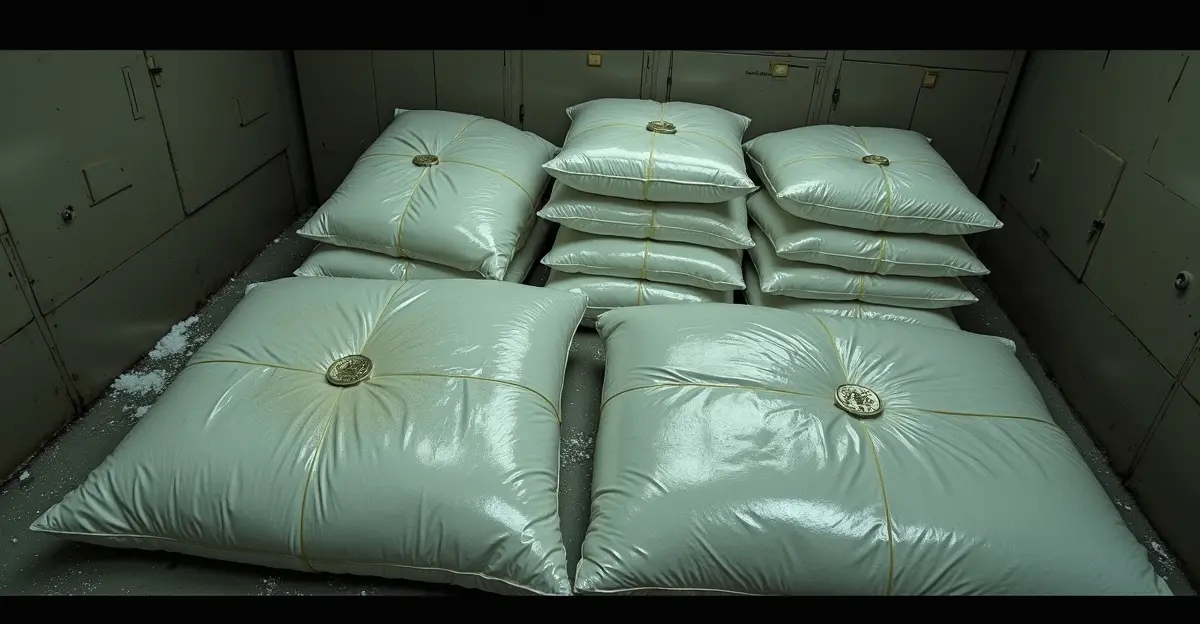
Pennsylvania Attorney General Dave Sunday announced charges Monday against 14 people tied to a large-scale Penn State cocaine ring that allegedly operated through two campus fraternities between 2023 and 2024. Thirteen of the defendants are current or former Penn State students; the fourteenth is a student's father. Investigators say the drug network, named Operation Drugs Unlimited, distributed cocaine primarily to university students and used fraternity pledges to cut and package the narcotics as part of a hazing ritual.
How the Cocaine Ring Operated
According to the Pennsylvania Attorney General's office, Agostino Abbatiello and Thomas Robinson are alleged to have led the operation. The pair frequently traveled between Philadelphia and New York to obtain large quantities of cocaine before bringing the drugs back to the State College area. The rise of campus drug networks has drawn renewed attention from law enforcement, but prosecutors say this case stands out for its scale and organization. Abbatiello, described by NBC News as Penn State's largest dealer, reportedly turned himself in to authorities. The investigation remains ongoing, and authorities have not disclosed the total quantity of cocaine trafficked. However, the scheme's 2023–2024 timeline and its use of two fraternity houses suggest a sustained operation rather than isolated incidents. State College Police joined the Attorney General's office in the investigation.
Fraternity Houses as Packaging Sites
Prosecutors say the cocaine was cut and packaged inside fraternity houses belonging to Delta Upsilon and Sigma Chi. For some aspiring members, the cutting and packaging was described as 'an initiation ritual.' This practice allegedly turned hazing into direct participation in drug trafficking. The cocaine was then sold mainly to Penn State students at fraternity houses and social events, according to authorities.
Charges and Key Figures
Abbatiello and Robinson, along with two others, face charges including corrupt organizations, conspiracy, and money laundering. Eight younger defendants face less severe charges related to drug possession and drug-related paraphernalia. The case bears similarities to organized crime on college campuses, where social hierarchies can be exploited for illegal enterprises. Robinson's father, Paul Robinson, is accused of obstructing the investigation by allegedly hiding evidence such as cash and drugs in a safe.
Hazing as 'Indoctrination'
The Attorney General's office stated that requiring pledges to cut and package cocaine amounted to a form of 'indoctrination.' The fraternity hazing rituals in question blur the line between tradition and criminal activity. Experts note that fraternity initiation practices have faced increasing scrutiny nationwide, but few cases have involved such direct involvement in narcotics distribution.
Penn State's Response and Campus Impact
Penn State officials said they were 'deeply shocked' by the allegations. There is no place for criminal activity or hazing at our university, the university said in a statement. Delta Upsilon has been placed on interim suspension, while Sigma Chi operates without official university recognition. The university also announced that anti-hazing education programs will begin as early as next week. The case has prompted broader conversations about campus safety and student accountability at large public universities.
Frequently Asked Questions
What is the Penn State cocaine ring?
The Penn State cocaine ring was an alleged drug trafficking operation involving 14 people, including 13 current or former students, that distributed cocaine to Penn State students from two fraternity houses between 2023 and 2024.
Who are the main suspects?
Agostino Abbatiello and Thomas Robinson are identified as the leaders of the alleged ring. Abbatiello was described as Penn State's largest dealer and reportedly turned himself in.
Was hazing involved?
Yes, prosecutors say fraternity pledges were required to cut and package cocaine as part of their initiation, effectively making hazing a component of the drug operation.
What charges were filed?
Charges range from felonies including corrupt organizations, conspiracy, and money laundering for the leaders to misdemeanor drug possession and paraphernalia charges for others.





Follow Discussion