


 Deutsch
 English
 Español
 Français
 Nederlands
 Português


 Share
Share




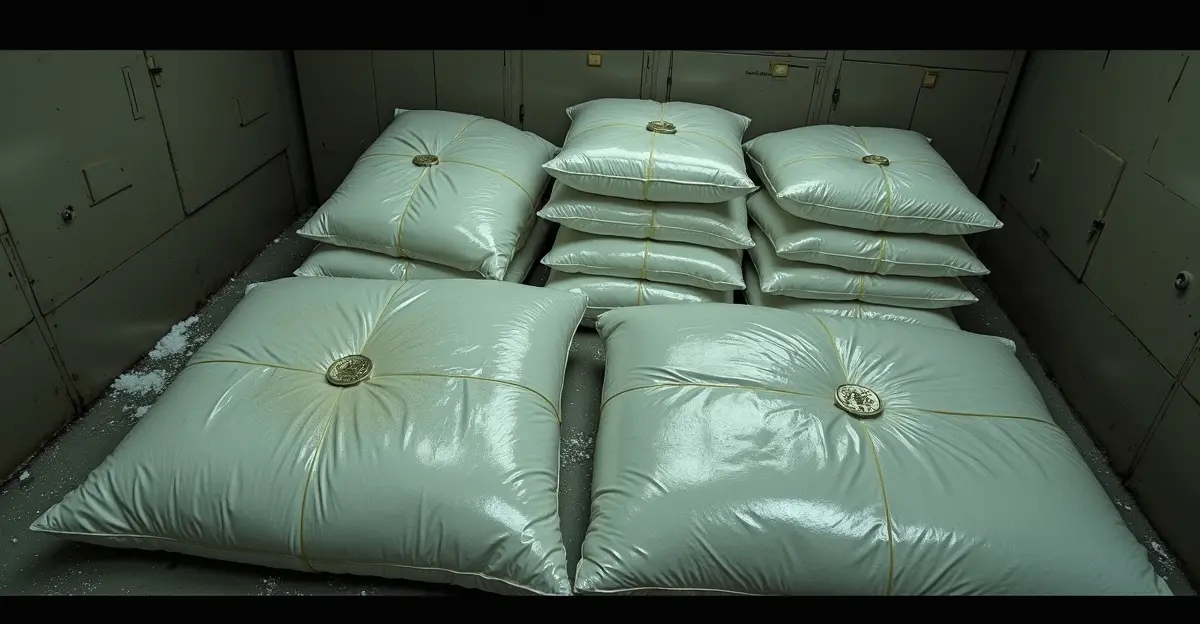
Nearly 40 kilograms of cocaine that was held as evidence in a major drug case on Fiji has disappeared. Of the 39 blocks of cocaine, 32 were replaced with flour, according to Fijivillage. Fiji police discovered the missing drugs at a courthouse in Suva on 15 September and launched an investigation.
What happened to the Fiji cocaine evidence?
The cocaine was seized in 2019 from a man who was later sentenced to 23 years in prison. The drugs were then stored at the courthouse, where they served as evidence during his appeal. Investigators found that 32 of the 39 cocaine blocks had been swapped for flour, while the remaining seven blocks were already missing. The case has drawn comparisons to other incidents involving evidence handling in high-profile drug trials around the world.
Why is Fiji a drug trafficking hub?
Fiji's location makes it strategically attractive for drug criminals. Methamphetamine, commonly known as crystal meth, and cocaine are trafficked through the region. The islands' remote position in the Pacific Ocean and relatively lightly monitored waters allow criminal organizations to operate more easily.
United Nations warnings
In 2024, the United Nations warned about the growing influence of organized crime in the Pacific. Criminal groups infiltrate legitimate businesses to conceal their activities, according to the UN. Similar to the Pacific island drug smuggling routes identified in UN reports, Fiji has seen a rise in drug-related cases in recent years.
Investigation and government response
Fiji police say they have identified a suspect, but that person may be abroad. Authorities are also investigating the individuals responsible for managing the evidence at the courthouse. Justice minister Siromi Turaga said No one will be spared in the investigation.
- 39 cocaine blocks originally stored as evidence
- 32 blocks replaced with flour
- 7 blocks already missing
- Suspect believed to be overseas
The case highlights wider concerns about court evidence security failures across the region.
Key facts at a glance
| Detail | Original | Current status |
|---|---|---|
| Cocaine blocks | 39 | 7 missing, 32 replaced with flour |
| Seized | 2019 | Stored as evidence |
| Suspect sentence | 23 years | Appeal ongoing |
| Discovery date | - | 15 September 2026 |
What does this mean for Fiji and the Pacific?
The disappearance of nearly 40 kilograms of cocaine underscores the vulnerabilities of small island states facing organized crime. The UN has called for closer regional cooperation because many Pacific island nations lack sufficient resources to tackle organized crime alone. Experts warn that without regional law enforcement cooperation, such crimes will continue to undermine judicial systems.
Frequently Asked Questions
How much cocaine disappeared from the Fiji court?
Nearly 40 kilograms disappeared. Of 39 blocks, 32 were replaced with flour and 7 were already missing.
When was the Fiji cocaine evidence discovered missing?
Police discovered the missing evidence on 15 September 2026 at a courthouse in Suva.
Who is responsible for the Fiji cocaine evidence swap?
Fiji police have a suspect in mind but believe the person may be abroad. Investigations are also focusing on evidence managers at the courthouse.
Why is Fiji a target for drug trafficking?
Fiji's remote location in the Pacific and less monitored waters make it easier for criminal organizations to move methamphetamine and cocaine.
What has the UN said about organized crime in the Pacific?
The UN warned in 2024 about growing organized crime influence and called for closer regional cooperation.

Follow Discussion