


 Deutsch
 English
 Español
 Français
 Nederlands
 Português


 Share
Share




Massive Cocaine Bust in Europe's Largest Port
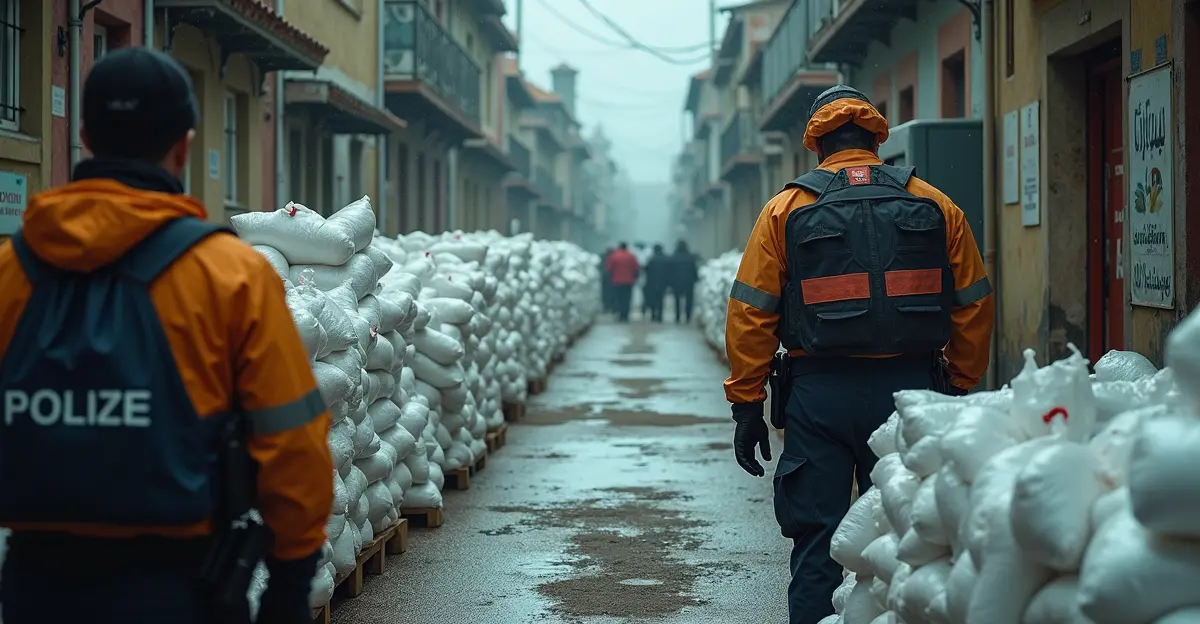
Dutch customs authorities have intercepted over 1,400 kilograms of cocaine in the Port of Rotterdam, marking one of the largest drug seizures in Europe this year. The massive haul, discovered on Saturday, April 5, 2026, has an estimated street value exceeding €100 million and represents a significant victory in the ongoing battle against international drug trafficking through Europe's busiest seaport. The European drug trafficking routes continue to evolve, but this seizure demonstrates that enforcement agencies remain vigilant.
What Happened in the Rotterdam Port Seizure?
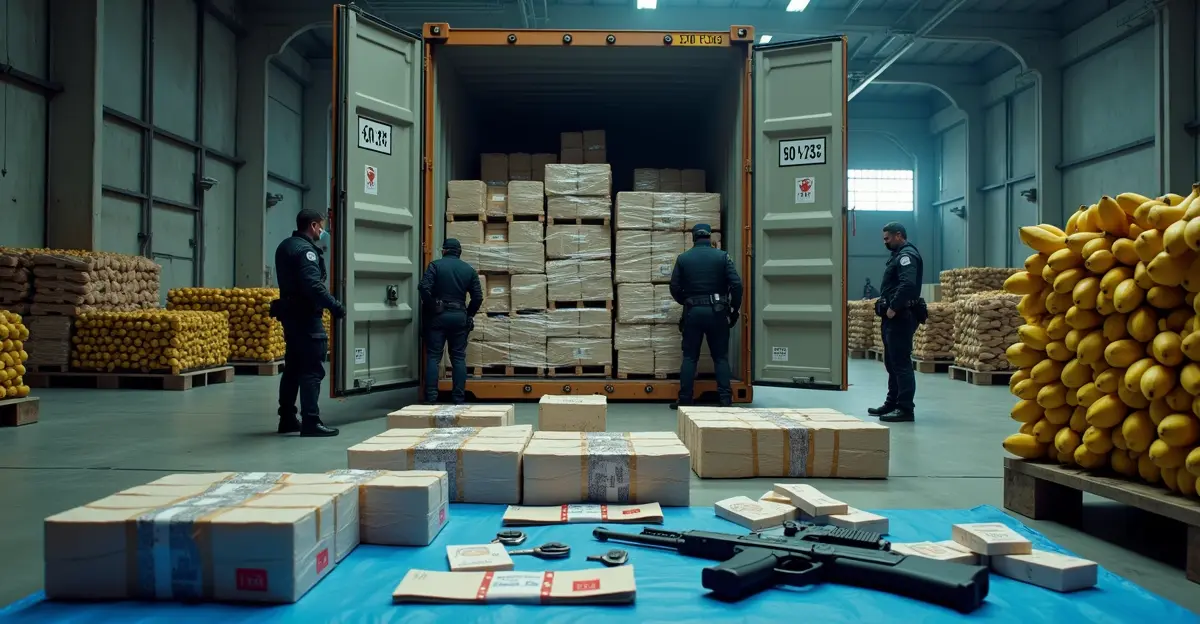
The operation unfolded at the Maasvlakte terminal in Rotterdam when customs officials detected 'abnormalities' in three containers arriving from a cargo ship that had sailed from Curaçao. According to the Public Prosecution Service (OM), the discovery was made during routine inspections that have been intensified in recent years as part of the Netherlands' comprehensive anti-drug strategy.
Breakdown of the 1,400 Kg Discovery
The cocaine was distributed across three separate containers with varying concealment methods:
- Container 1: 32 kilograms of cocaine discovered in bags within an otherwise empty container
- Container 2: 177 kilograms found in six suitcases
- Container 3: 1,199 packages of cocaine hidden behind household goods in 35 bags, totaling approximately 1,191 kilograms
The total weight of 1,400 kilograms represents one of the largest single seizures in Rotterdam in recent years, particularly notable given the overall decline in cocaine interceptions at the port since 2024.
Why This Seizure is Significant
This massive cocaine bust comes at a time when drug trafficking patterns through Rotterdam have been shifting dramatically. According to recent data, cocaine seizures at the Port of Rotterdam dropped from 38,000 kilograms in 2024 to 24,500 kilograms in 2025, while cannabis interceptions skyrocketed from 14,492 kilograms to 65,532 kilograms during the same period.
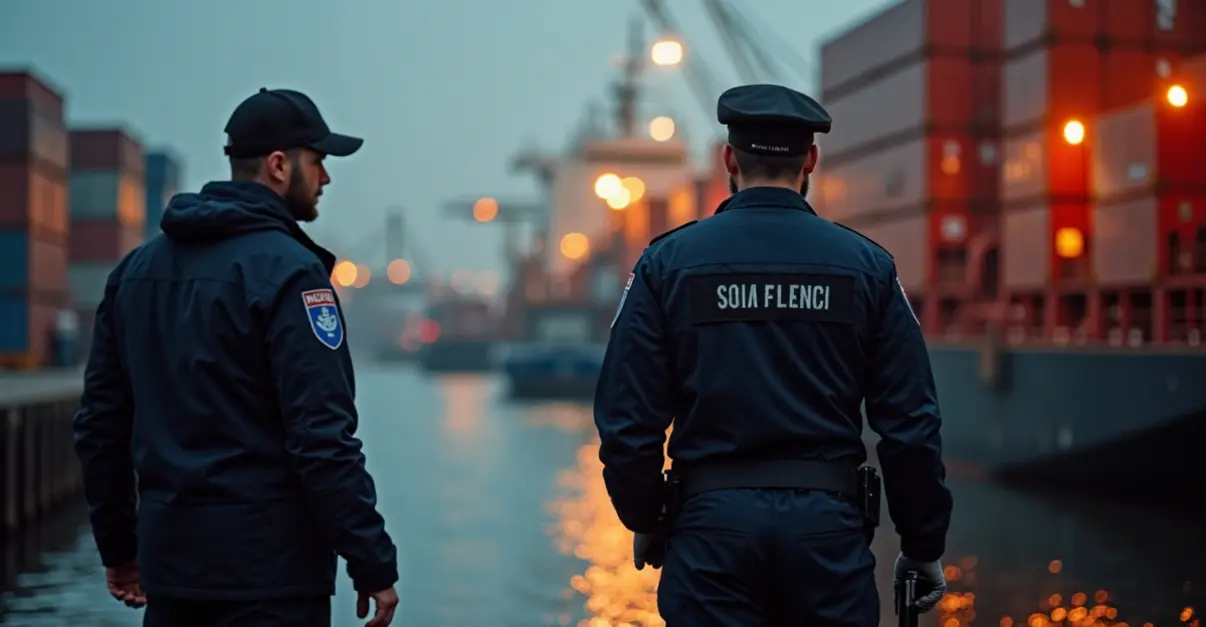
'This seizure demonstrates that while smuggling routes may be shifting, our enforcement capabilities remain strong,' said a spokesperson for the HARC team (Hit and Run Cargo Team), the specialized unit that coordinates between Customs, FIOD, Seaport Police, and the Public Prosecution Service in Rotterdam.
The HARC team, which has been operating for 29 years, represents a unique collaborative model that has become a best practice for European port security. Their success in this operation highlights the effectiveness of multi-agency cooperation in combating sophisticated smuggling networks.
Changing Drug Trafficking Landscape
Experts note that the Dutch port security measures have forced criminal organizations to adapt their strategies. Erasmus University criminologist Robby Roks explains that while customs intercepted 35,000 kilograms of cocaine in 2024 (worth approximately €1.81 billion), the actual interception rate remains uncertain, with estimates ranging from 10-60% of total smuggled quantities.
Three primary smuggling methods have been identified:
- Concealing drugs within legitimate cargo (like hollowed-out produce)
- Hiding cocaine aboard vessels using specialized compartments
- Utilizing containers with built-in hiding spaces
The economic factors driving drug trafficking have also shifted. Cocaine wholesale prices have halved from €28,000 to €14,000 per kilogram in recent years, making cannabis nearly as lucrative but with much lower legal risks for traffickers.
Impact on European Drug Markets
This €100 million seizure will likely have ripple effects across European drug markets. The Port of Rotterdam serves as the primary gateway for approximately 500 million consumers throughout Europe, making it a critical choke point in international supply chains.
'While this is a significant victory, we must recognize that drug trafficking networks are highly adaptive,' noted a European law enforcement analyst. 'The reduction in cocaine seizures at Rotterdam in recent years suggests traffickers are diversifying their routes through other European ports like Antwerp and Hamburg.'
The international drug enforcement cooperation between Dutch and Belgian authorities has intensified in response to these shifting patterns, with personnel exchanges and joint operations becoming increasingly common.
What Happens Next?
The Public Prosecution Service has indicated that the intended recipients of the containers 'appear to have had nothing to do with the smuggling,' suggesting the drugs were likely inserted into legitimate shipments without the knowledge of the consignees. All seized cocaine has been destroyed following standard protocol.
Investigations continue through the HARC team, which will work to trace the smuggling network back to its origins. The 29-year collaboration between multiple agencies gives Dutch authorities a significant advantage in these complex international investigations.
Frequently Asked Questions
How much cocaine was seized in Rotterdam?
Dutch customs seized over 1,400 kilograms (approximately 1.4 metric tons) of cocaine in three separate containers on April 5, 2026.
What is the street value of the seized cocaine?
The seized cocaine has an estimated street value exceeding €100 million, based on current European market prices.
Why are cocaine seizures declining in Rotterdam?
Cocaine seizures have declined from 38,000 kg in 2024 to 24,500 kg in 2025, likely due to improved smuggling techniques, route diversification to other European ports, and economic factors making cannabis more attractive to traffickers.
What is the HARC team?
The HARC (Hit and Run Cargo) team is a 29-year collaboration between Dutch Customs, FIOD (Fiscal Information and Investigation Service), Seaport Police, and the Public Prosecution Service that focuses on major criminal investigations in the Port of Rotterdam.
Where did the cocaine shipment originate?
The containers arrived from Curaçao, though the cocaine likely originated in South America before transiting through the Caribbean.


Follow Discussion