


 Deutsch
 English
 Español
 Français
 Nederlands
 Português


 Share
Share




Dutch National Arrested in Major Azores Drug Bust: 1800kg Cocaine Seized
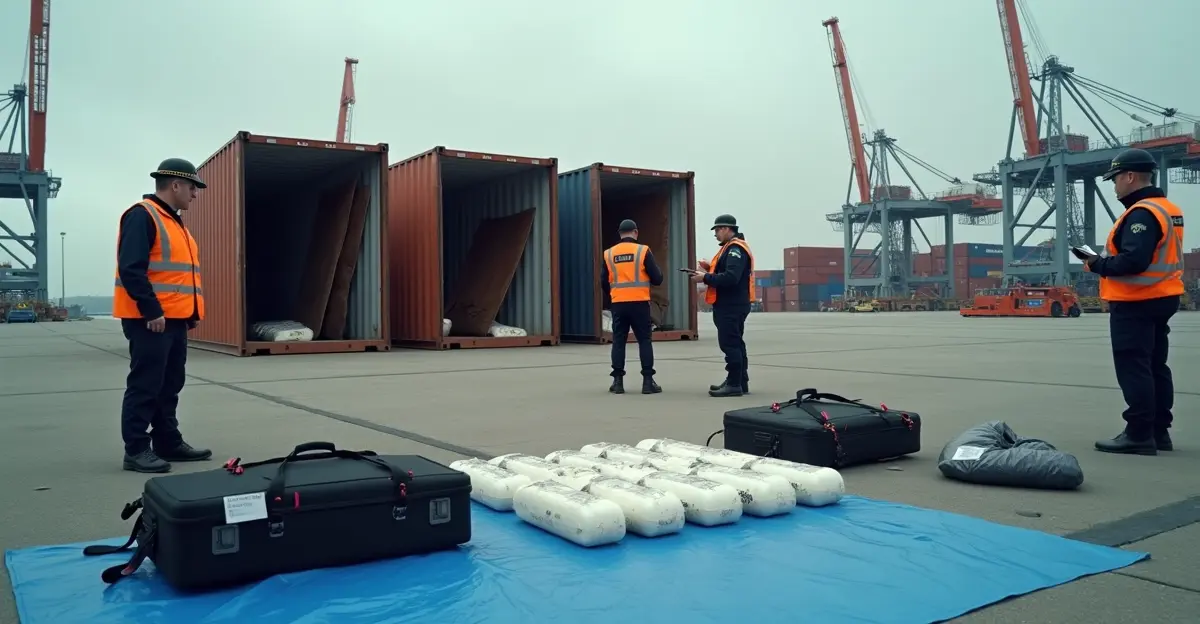
In a significant international drug trafficking operation, Portuguese authorities have arrested a Dutch national along with seven other suspects after intercepting a fishing vessel carrying 1,800 kilograms of cocaine approximately 800 kilometers from the Azores archipelago. The March 2026 seizure represents one of the largest maritime drug interdictions in the Atlantic this year and highlights the evolving tactics in European drug smuggling routes that law enforcement agencies are working to combat.
What Happened in the Azores Drug Bust?
The operation, reportedly named "Operation Survivor," involved coordinated efforts between Portugal's Judicial Police (Polícia Judiciária), Navy, and Air Force. Authorities intercepted the fishing vessel in the mid-Atlantic Ocean, approximately 450 nautical miles (800 kilometers) from the Azores islands. The vessel, which had departed from South America, was carrying eight crew members: one Dutch national, four Brazilian citizens, and three Surinamese nationals.
"This operation demonstrates our commitment to combating drug trafficking networks that target Europe through maritime routes," stated Portuguese authorities in their official release. The suspects were transported to Ponta Delgada port on São Miguel Island, where they remain in custody as investigations continue.
Why Are the Azores a Strategic Location for Drug Trafficking?
Geographic Position and Maritime Routes
The Azores archipelago, located approximately 1,400 kilometers west of mainland Portugal in the North Atlantic Ocean, has become a critical waypoint for drug traffickers attempting to smuggle cocaine from South America to Europe. The islands' remote location and sparse maritime surveillance coverage make them an attractive transit point for criminal networks.
According to Europol reports, traffickers are increasingly diversifying their routes away from heavily monitored major ports like Rotterdam and Antwerp, instead utilizing mid-Atlantic transfer points and smaller European ports. The record 9-tonne cocaine seizure off the Azores in January 2026 demonstrated how this region has become a focal point for international drug interdiction efforts.
Operation Details and Law Enforcement Response
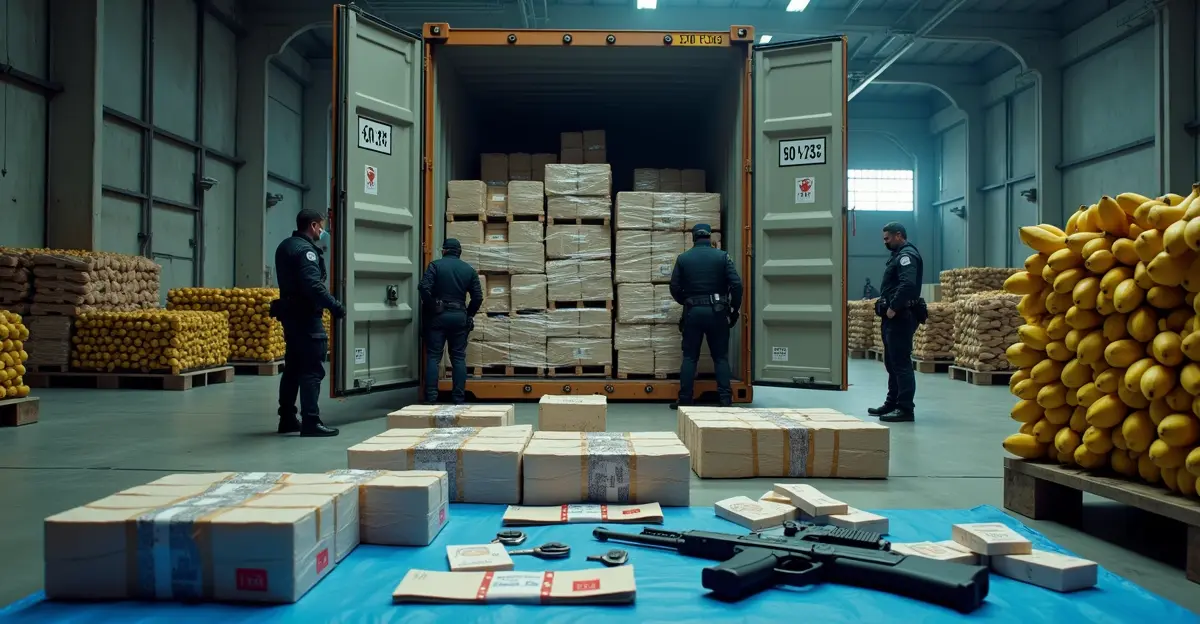
The recent operation involved sophisticated coordination between multiple Portuguese agencies and international partners. The fishing vessel was detected through intelligence sharing and maritime monitoring systems before being intercepted in challenging oceanic conditions. The 1,800 kilograms of cocaine seized has an estimated street value of approximately €60-80 million, depending on European market prices.
Portuguese authorities emphasized that this operation was part of broader efforts to dismantle criminal organizations dedicated to smuggling large quantities of drugs into Europe. The investigation continues under the supervision of the Public Prosecution Service of Ponta Delgada, with evidence collection and analysis ongoing.
How Does This Fit into European Drug Trafficking Trends?
Evolving Trafficking Methods
Europol's 2026 report on maritime cocaine trafficking reveals that criminal networks are employing increasingly sophisticated methods to evade detection. These include:
- At-sea transfers using mother vessels and speedboats
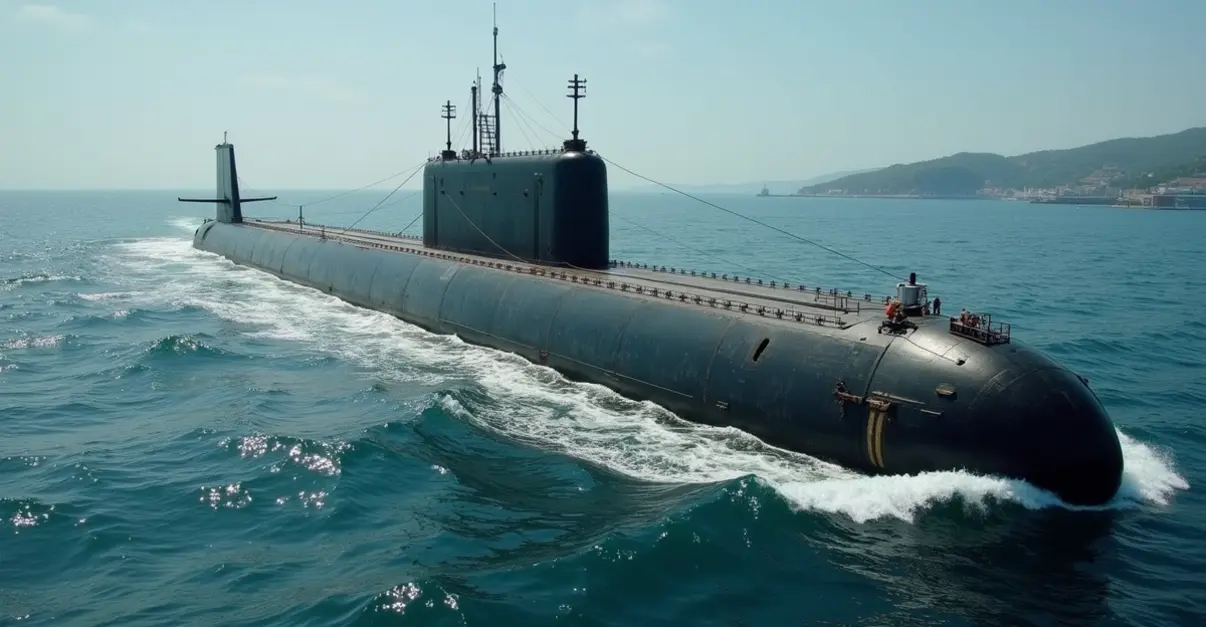
- Semi-submersible vessels capable of crossing the Atlantic
- Advanced concealment techniques in industrial machinery
- Exploitation of smaller, less monitored European ports
The fishing vessel intercepted in this operation represents a more traditional smuggling method that continues alongside these newer techniques. Criminal networks often use legitimate-looking fishing boats to blend in with commercial maritime traffic while transporting illicit cargo.
International Cooperation and Challenges
This seizure highlights the importance of international cooperation in combating drug trafficking. Portuguese authorities worked with international partners including the UK's National Crime Agency, US Drug Enforcement Administration (DEA), and Joint Interagency Task Force South. The operation was conducted within the framework of the Maritime Analysis and Operations Centre - Narcotics (MAOC-N), which facilitates information sharing between European and international agencies.
Despite these successes, law enforcement faces significant challenges including vast ocean areas to monitor, evolving criminal tactics, and the global nature of drug trafficking networks that span multiple continents.
What Are the Implications of This Seizure?
Market Impact and Criminal Networks
The seizure of 1,800 kilograms of cocaine represents a significant disruption to supply chains feeding European markets. While individual seizures rarely cause long-term market shortages, they increase costs and risks for trafficking organizations, potentially leading to temporary price increases and supply disruptions in European cities.
Portuguese authorities believe they have dismantled a criminal group dedicated to smuggling large quantities of drugs into Europe. The investigation aims to identify higher-level organizers and financiers behind the operation, potentially leading to further arrests and asset seizures.
Policy and Enforcement Responses
This operation comes amid growing calls for enhanced maritime surveillance capabilities in the Atlantic. The Portuguese government and European partners are considering increased investment in naval patrols, aerial surveillance, and intelligence-sharing mechanisms to combat the growing threat of maritime drug trafficking.
Europol has emphasized the need for coordinated international action, real-time data sharing, and enhanced maritime monitoring to combat evolving criminal networks that increasingly exploit encrypted communications, autonomous vessels, drones, and port corruption.
Frequently Asked Questions
How much cocaine was seized in the Azores operation?
Portuguese authorities seized approximately 1,800 kilograms (1.8 metric tons) of cocaine from the intercepted fishing vessel. This represents one of the larger maritime drug seizures in the Atlantic region in 2026.
Who was arrested in the operation?
Eight individuals were arrested: one Dutch national, four Brazilian citizens, and three Surinamese nationals. All were crew members aboard the fishing vessel intercepted approximately 800 kilometers from the Azores.
Why are the Azores important for drug trafficking?
The Azores' remote location in the mid-Atlantic makes them a strategic transit point for drug shipments traveling from South America to Europe. The islands' position allows traffickers to avoid heavily monitored shipping lanes while remaining within reach of European markets.
What is the street value of the seized cocaine?
The 1,800 kilograms of cocaine has an estimated European street value of €60-80 million, though this can vary significantly depending on purity, distribution networks, and local market conditions.
How does this seizure compare to other recent drug busts?
While significant, this seizure is smaller than the record 9-tonne haul intercepted off the Azores in January 2026. However, it represents a substantial interdiction that disrupts criminal networks and demonstrates ongoing law enforcement efforts in the region.


Follow Discussion