


 Deutsch
 English
 Español
 Français
 Nederlands
 Português


 Share
Share




Spain Confirms Largest Cocaine Seizure in History
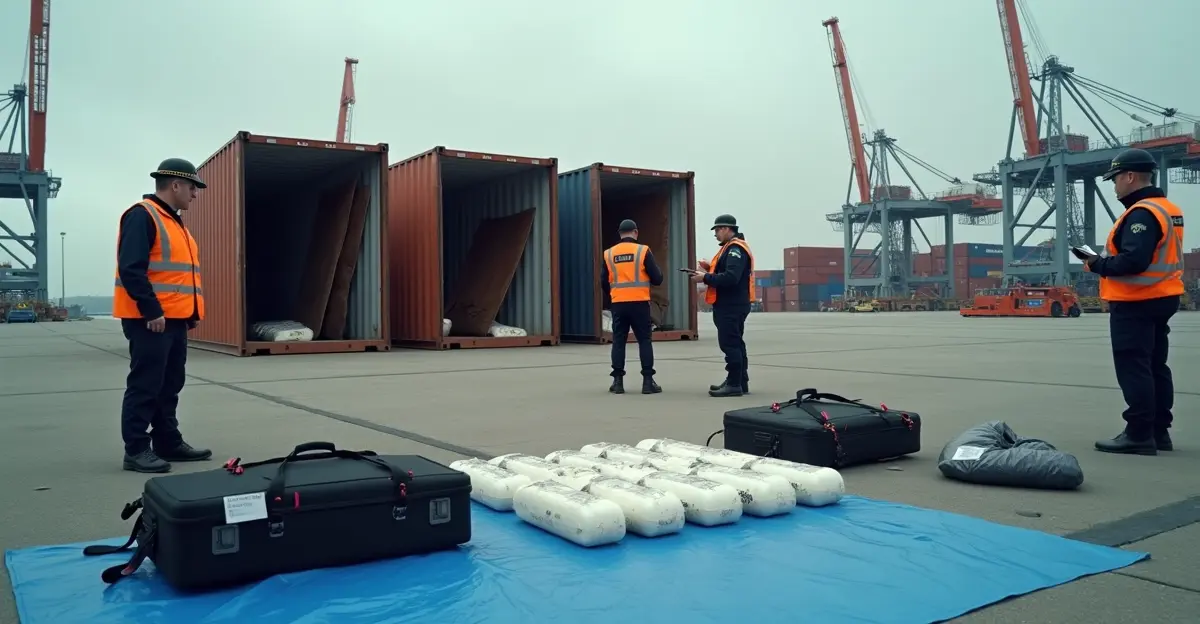
Spanish Interior Minister Fernando Grande-Marlaska confirmed on May 4, 2026, that the cocaine haul intercepted by the Guardia Civil off the Canary Islands is the largest ever recorded, totaling 30,215 kilograms (over 30 metric tons) spread across 1,279 packages. The operation, which unfolded on May 1, 2026, about 90 nautical miles south of Gran Canaria, represents a historic blow to Atlantic drug trafficking networks and has sent shockwaves through European law enforcement.
The vessel, a cargo ship named Arconian sailing under the flag of the Comoros, was intercepted after a tip-off from Dutch intelligence services. The ship had departed Freetown, Sierra Leone, on April 22, 2026, and was ostensibly heading for Benghazi, Libya. However, authorities believe the real destination was a mid-Atlantic rendezvous with speedboats that would ferry the cocaine to mainland Spain and onward to European markets.
How the Operation Unfolded
The Guardia Civil, working with Europol and Dutch authorities, tracked the Arconian for days before boarding it. Upon inspection, officers found not only the massive cocaine haul but also 42,000 liters of gasoline — fuel intended for the speedboats that would receive the drugs at sea. Additionally, nearly 30 mobile phones, four SIM cards, a USB stick, and a hard drive were seized for forensic analysis.
Initially, only 17 Filipino crew members were found on deck. However, six armed guards — five Dutch nationals and one Surinamese — were discovered hiding in the bow of the ship. They were equipped with three machine guns, two pistols, and a large quantity of ammunition. The Spanish newspaper El Pais reported that these guards were responsible for protecting the cargo during the transatlantic voyage.
Arrests and Criminal Backgrounds
All 23 crew members were arrested and face charges including crimes against public health and using a vessel for drug trafficking. Several of the Dutch suspects have prior criminal records. One 36-year-old Dutch national was previously sentenced to seven years in prison for shooting someone in the neck in 2010. Another, aged 22, was detained in the port of Rotterdam in 2023 on suspicion of attempting to extract drugs from a container. A 33-year-old from Groningen appeared in court in February 2026 for money laundering related to stolen goods.
Link to 'Bolle Jos' and Sierra Leone Networks
The seizure has drawn immediate attention to the activities of Jos Leijdekkers, better known as 'Bolle Jos,' a Dutch drug trafficker believed to be operating from Sierra Leone. Leijdekkers, who was sentenced in absentia in Belgium to 24 years in prison and ordered to pay €96 million, is reported to have close ties to Sierra Leone's political elite. According to local media, he is engaged to the daughter of Sierra Leone's President Julius Maada Bio and has been seen moving in circles of high-ranking officials, including the head of the country's anti-drug brigade.
While Leijdekkers' lawyer dismissed the allegations as rumors, the connection between the Arconian's departure from Freetown and the known trafficking routes of the Dutch fugitive has raised serious concerns. The Sierra Leone drug trafficking links are now under intensified scrutiny by international investigators.
Spanish authorities are working with Europol and the US Drug Enforcement Administration (DEA) to trace the cocaine's origin. Preliminary evidence suggests the drugs were produced in Colombia and transported to West Africa before being loaded onto the Arconian. The Atlantic cocaine smuggling routes from South America via West Africa to Europe have become a major focus for law enforcement in 2026.
Value and Scale of the Seizure
The 30,215 kilograms of cocaine have an estimated wholesale value of approximately €812 million ($956 million), with a street value potentially exceeding €2.5 billion after cutting and distribution. This single seizure more than doubles Spain's previous record of 13 tons set in 2024. To put it in perspective, the haul represents roughly 3% of all cocaine seized globally in an average year.
Spanish authorities emphasized the unprecedented nature of the bust. Minister Grande-Marlaska stated: 'This is one of the most important drug seizures, both nationally and internationally. We have dealt a severe blow to the criminal organizations that use the Atlantic as a highway for cocaine trafficking.'
Broader Europol Operation Disrupts Atlantic 'Drug Highway'
The record seizure was part of a wider international crackdown. Between April 13 and April 26, 2026, Europol-coordinated operations led by the Guardia Civil resulted in 545 arrests across various Spanish ports and locations. During this period, authorities seized over 8,000 kilograms of hashish, nearly 11,000 kilograms of cocaine, and 21 kilograms of marijuana. Europol stated that the operations successfully disrupted a 'major highway for cocaine transport in the Atlantic Ocean.'
The Europol Atlantic drug operations have increasingly focused on the 'go-fast' boat networks that transfer cocaine from larger mother ships to European shores. The 42,000 liters of fuel found aboard the Arconian was intended precisely for such mid-sea transfers.
FAQ
What is the largest cocaine seizure in European history?
The seizure of 30,215 kilograms of cocaine from the Arconian off the Canary Islands in May 2026 is the largest cocaine seizure ever recorded in Europe, exceeding Spain's previous record of 13 tons in 2024.
Who is 'Bolle Jos' and is he linked to this seizure?
Jos Leijdekkers, known as 'Bolle Jos,' is a Dutch drug trafficker sentenced to 24 years in absentia. He is believed to be hiding in Sierra Leone and is suspected of being involved in the shipment, though he has not been charged in connection with this specific seizure.
How much is 30 tons of cocaine worth?
The wholesale value is estimated at approximately €812 million ($956 million), with a potential street value exceeding €2.5 billion after dilution and distribution across European markets.
Where was the cocaine coming from and where was it going?
The cocaine is believed to have originated in Colombia, transited through West Africa, and was loaded in Sierra Leone. The ship was headed for Libya, but the drugs were likely destined for mid-sea transfer to speedboats for smuggling into mainland Spain and other European countries.
What charges do the arrested crew members face?
The 23 crew members face charges of crimes against public health and using a vessel for drug trafficking. They were ordered to remain in custody without bail by Spain's National Court.




Follow Discussion