


 English
 Nederlands
 Deutsch
 Français
 Español
 Português


COP31 Antalya: Implementation Summit Where Climate Finance Meets Geopolitical Realignment
COP31 in Antalya (Nov 2026) shifts climate talks from negotiation to implementation, testing the $300B New Collective Quantified Goal...
Explore in-depth analysis and long-form reporting from Informed Clearly, curated for fast understanding and broad context.
AI summary: curated latest long-form article index with paginated links, categories, publication timestamps, and related keyword clusters.
5105 results • page 105 / 426
COP31 in Antalya (Nov 2026) shifts climate talks from negotiation to implementation, testing the $300B New Collective Quantified Goal...
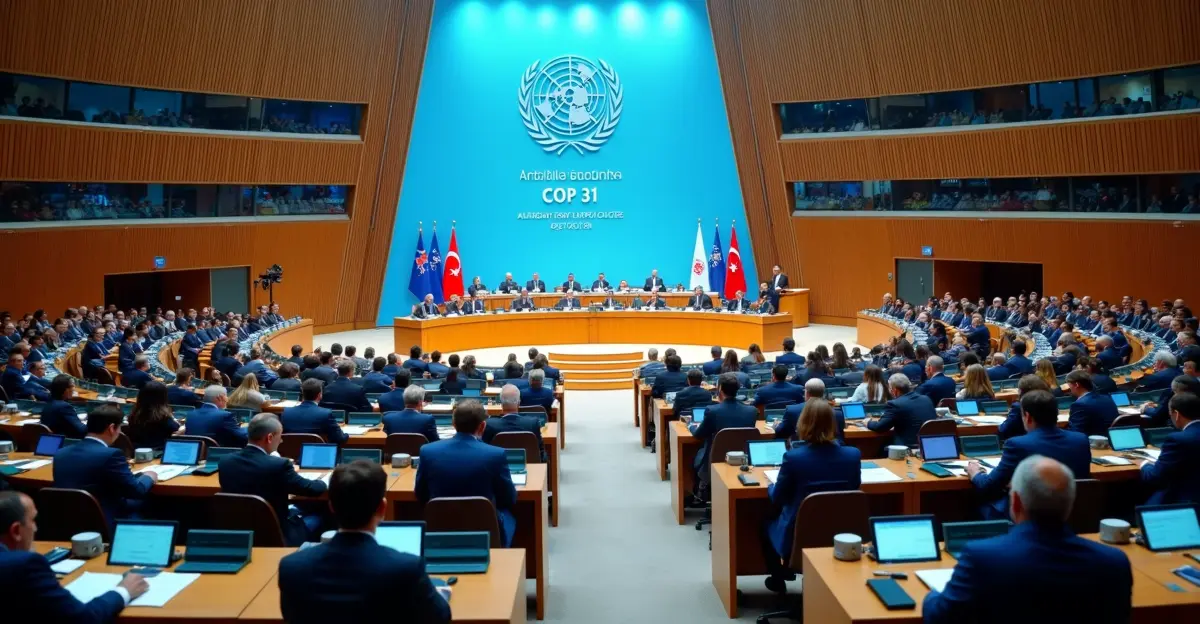
COP31 in Antalya, Turkey (Nov 9-20, 2026) marks climate diplomacy's shift from negotiation to implementation amid geopolitical tensions....

The Congressional Research Service's 2026 Defense Primer signals quantum technology's transition from research to military applications....

72% of global executives now rank geopolitical instability as their top economic concern following February 2026 conflicts, marking the...

2026 quantum export controls are fragmenting global technology, creating parallel quantum infrastructures as nations pursue 'quantum...

The 2026 Critical Minerals Ministerial marked a seismic shift with 11 new bilateral agreements and $30+ billion in financing. This...
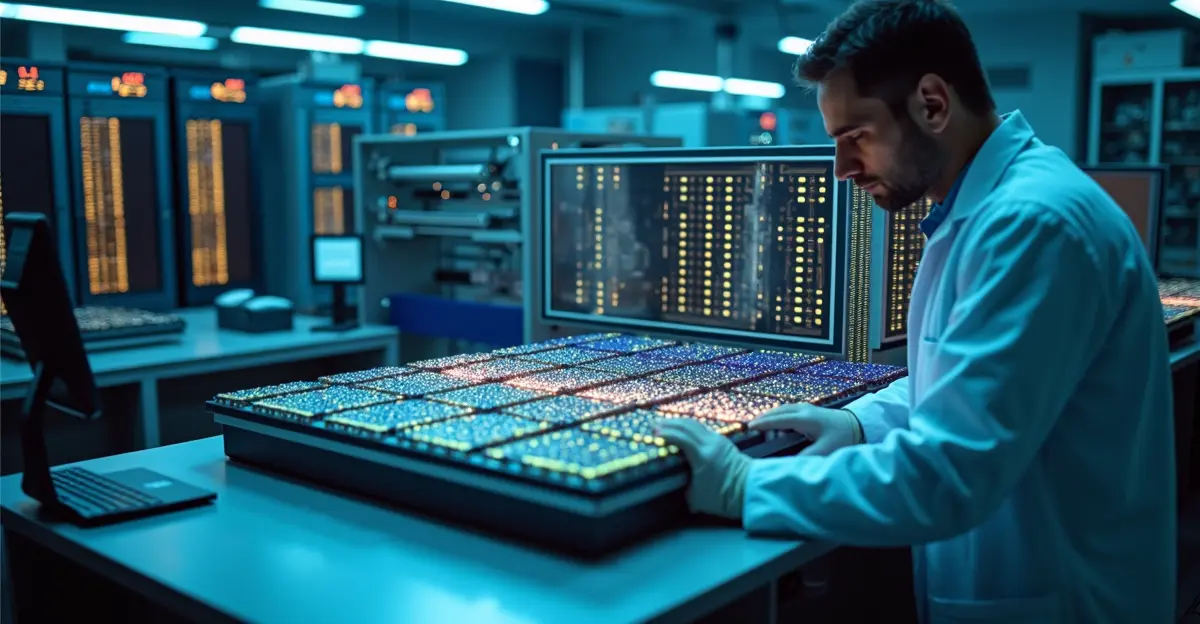
IBM's 2026 quantum roadmap marks the transition from theoretical research to practical applications, with quantum computers set to...
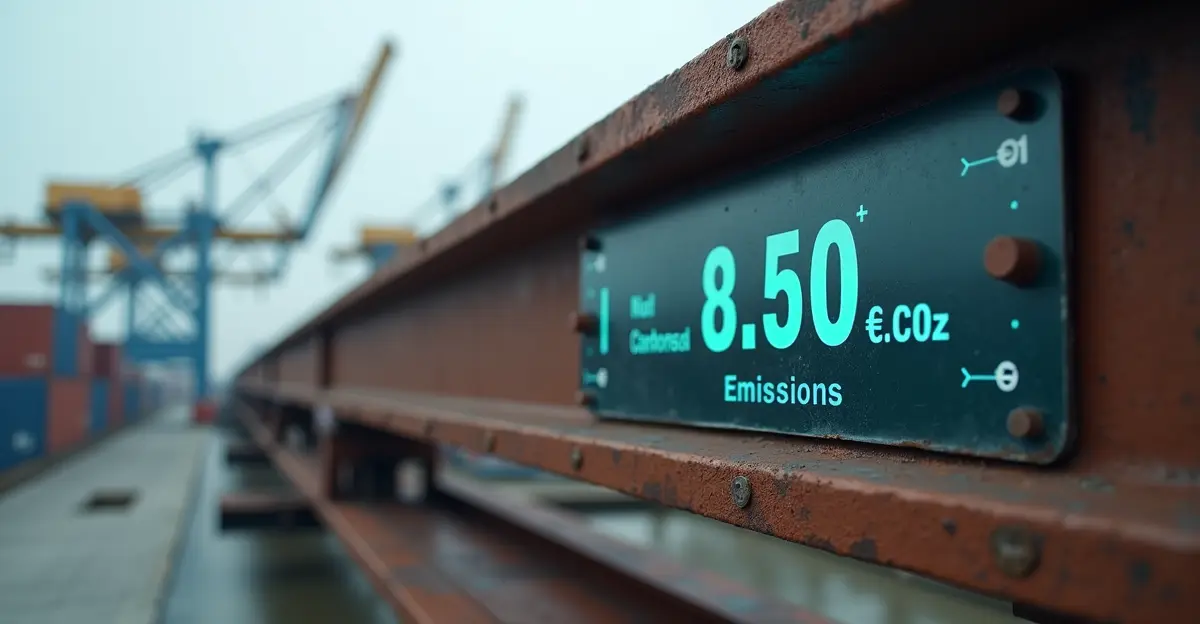
EU's CBAM enters definitive phase January 2026, creating first operational border carbon tax. Mechanism reshapes global trade alliances,...

2026 marks critical tipping point as quantum computing threatens current encryption. Nations race to establish post-quantum standards...
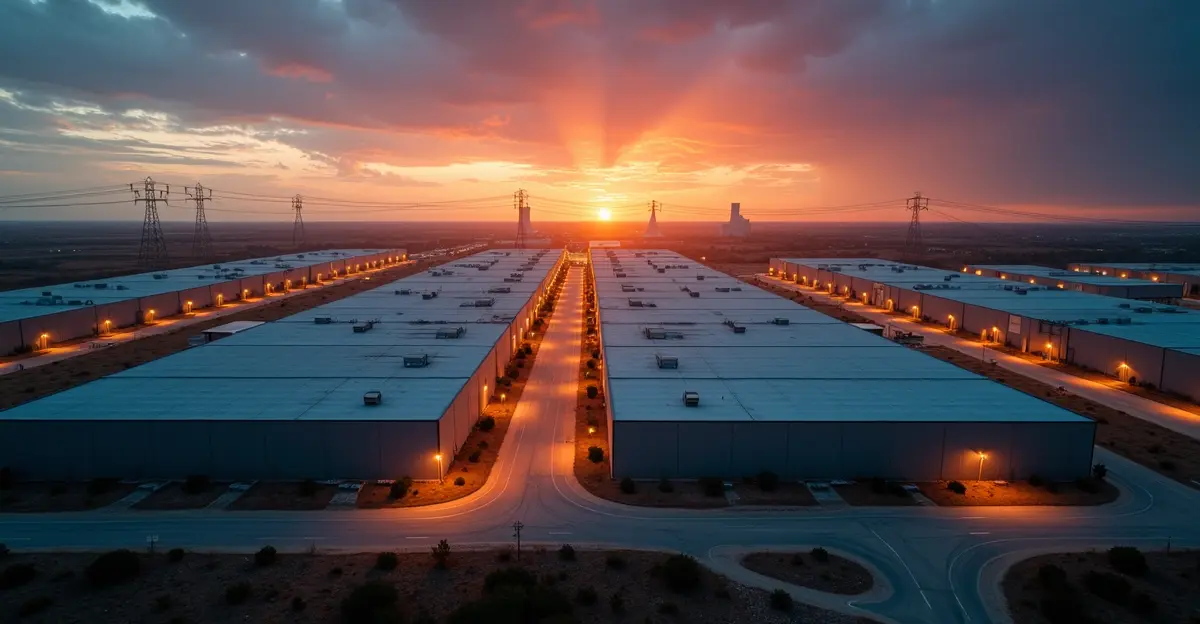
AI data centers consume 4.4% of US electricity (176 TWh), growing 150% in 5 years. Morgan Stanley projects 49 GW power shortfall by 2028...
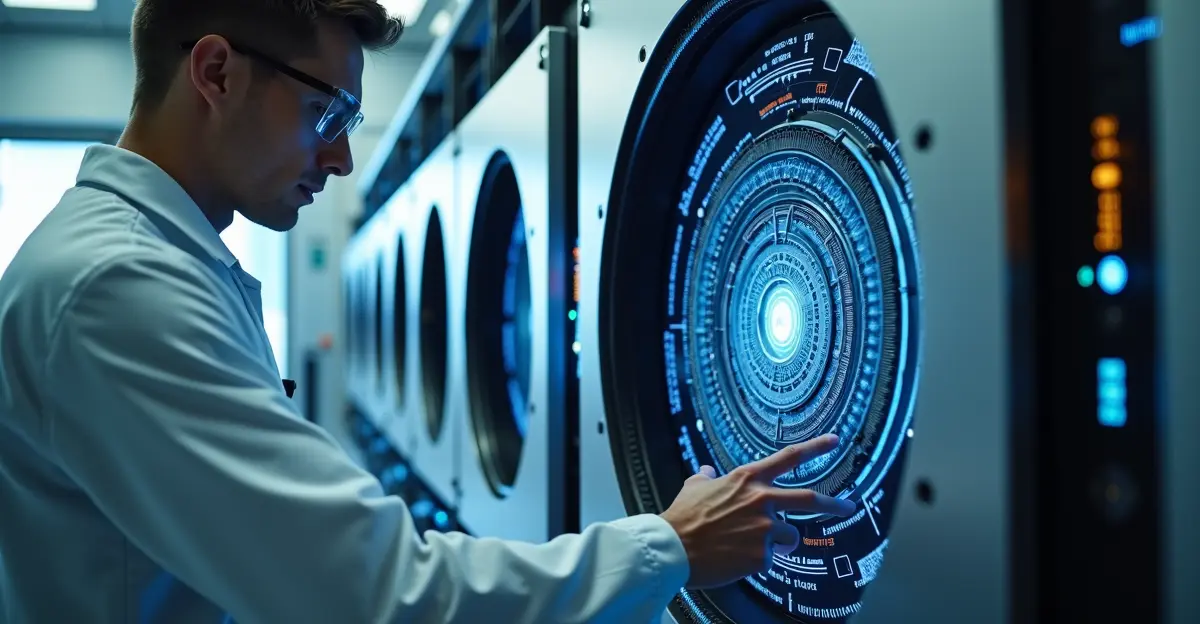
IBM predicts 2026 will mark quantum computers outperforming classical systems for practical tasks, reshaping global security and tech...
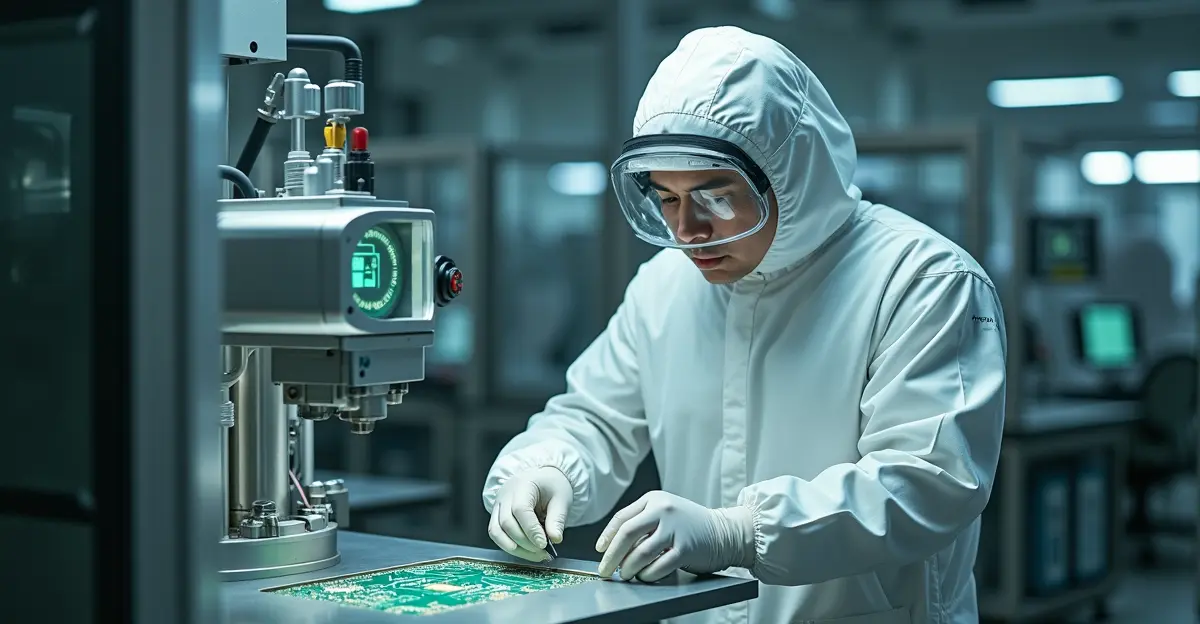
AI-related trade now drives one-third of global trade growth, with semiconductors reshaping supply chains amid 30% US-China trade...