


 Deutsch
 English
 Español
 Français
 Nederlands
 Português


 Share
Share




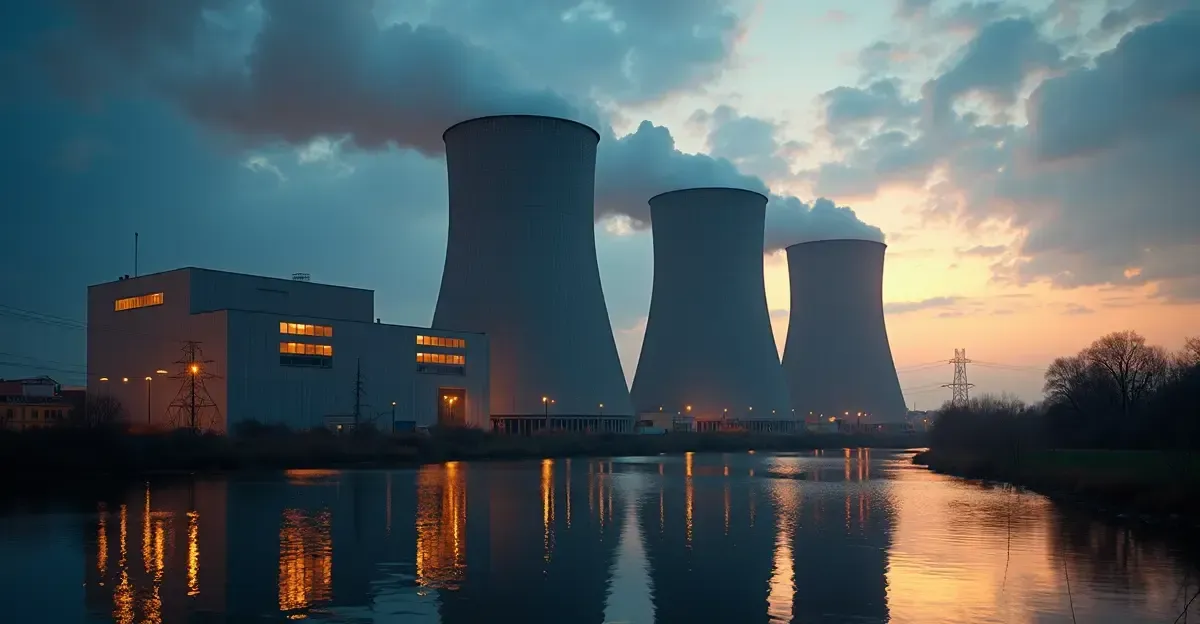
The convergence of artificial intelligence and nuclear energy is reshaping global power markets as AI data centers, projected to consume 1,100 TWh in 2026, drive an unprecedented push for small modular reactors (SMRs). The U.S. Nuclear Regulatory Commission (NRC) is expected to issue licensing decisions on the first commercial SMR construction permits in 2026, a critical regulatory test that will determine whether SMRs can scale fast enough to meet AI-driven baseload power demand. With major technology firms including Microsoft, Google, Amazon, and Meta signing direct nuclear power purchase agreements totaling 47 GW — the largest private nuclear procurement in history — the AI-nuclear nexus is forcing regulators, utilities, and grid operators to rethink energy infrastructure planning.
Why This Matters Now
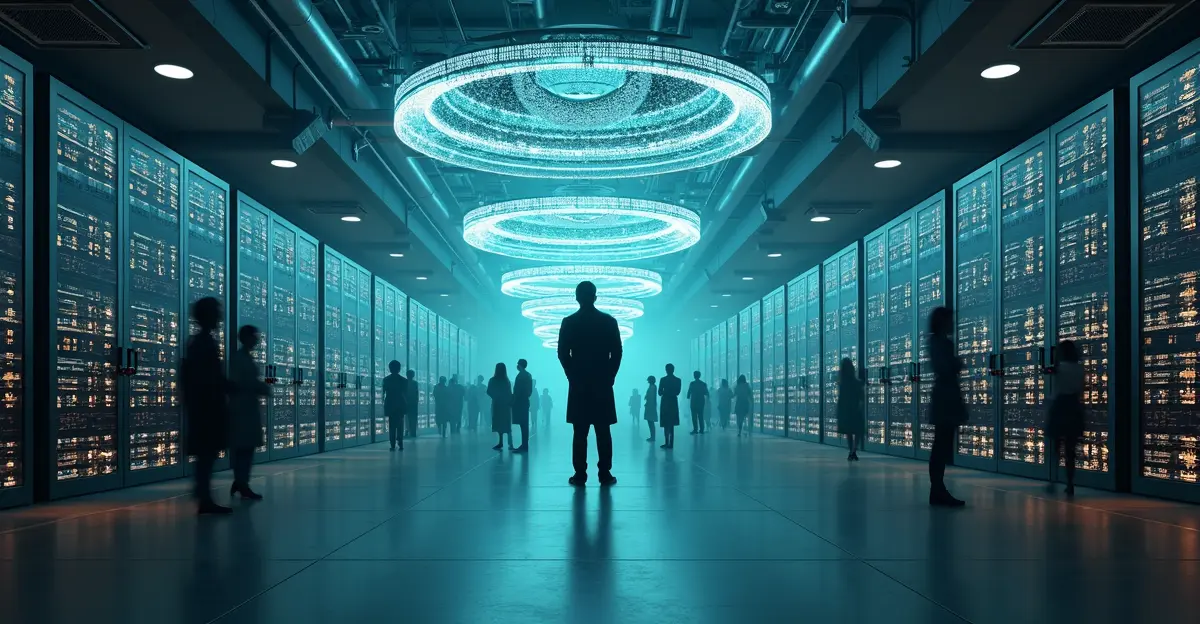
The NRC's 2026 licensing decisions on the first commercial SMR permits, combined with $1.3 billion in SMR equity funding raised in 2025 and the International Energy Agency's (IEA) projection that data center electricity use will exceed Japan's total consumption this year, make this a pivotal moment where energy regulation, AI infrastructure, and climate commitments collide. According to the IEA, data center electricity demand surged 17% in 2025 alone, far outpacing global demand growth of just 3%. The four largest hyperscalers — Amazon, Google, Meta, and Microsoft — plan to spend up to $700 billion in 2026 on infrastructure, roughly triple their spending from two years ago. However, about half of all planned U.S. data center builds in 2026 may be delayed due to grid bottlenecks, transformer shortages, and regulatory backlogs. The AI data center energy crisis is driving technology firms to seek direct nuclear power solutions.
The Nuclear Power Purchase Agreements
In 2025 and early 2026, technology giants signed an unprecedented wave of nuclear power purchase agreements (PPAs). Microsoft committed $16 billion to restart Three Mile Island Unit 1 (835 MW, targeting 2028) under a 20-year PPA. Google partnered with Kairos Power on the first U.S. corporate SMR fleet deal, committing to 500 MW from Kairos Power's KP-FHR reactors. Amazon invested $700 million in X-energy for up to 12 Xe-100 SMRs and is developing a $20 billion+ Susquehanna AI campus. Meta issued the largest commitment at up to 6.6 GW across TerraPower Natrium, Oklo Aurora, Vistra, and Constellation, though with longer timelines (2032-2035). These deals represent the largest private nuclear procurement in history, totaling 47 GW of capacity. The nuclear power purchase agreements are reshaping the energy procurement landscape for hyperscale data centers.
NRC Licensing Decisions in 2026
The NRC's 2026 docket includes several landmark licensing decisions. TerraPower's Natrium reactor (345 MWe) received a construction permit in March 2026 for its Kemmerer Power Station Unit 1 in Wyoming. NuScale Power's VOYGR design (77 MWe) received full design certification in May 2025, and the company is expected to file for a construction permit in 2026. Kairos Power's Hermes test reactor already has a construction permit, and the company is advancing toward a commercial license. GE Hitachi's BWRX-300 is under construction in Canada via the CNSC, with U.S. licensing expected to follow. The NRC has also proposed new regulations (10 CFR Part 57 and Part 53) to modernize licensing for microreactors and other advanced technologies. The NRC SMR licensing process is under intense scrutiny as stakeholders push for faster approvals.
Key Regulatory Milestones
- March 2026: TerraPower receives construction permit for Natrium reactor in Wyoming.
- May 2025: NuScale Power's VOYGR design receives full NRC design certification.
- 2026 (expected): Kairos Power files for commercial license for KP-FHR reactors.
- 2026 (expected): NRC issues final rule on Part 53 for advanced reactor licensing.
Investment Surge in SMRs
According to Net Zero Insights, nuclear fission companies raised $1.3 billion in equity funding by Q3 2025 — the sector's highest annual total — with 28 equity transactions recorded, up from an annual average of 15. SMRs and microreactors accounted for roughly 75% of total nuclear fission funding. Notable deals include TerraPower's $650 million Series C, X-energy's upsized $700 million Series C-1 round, Radiant's $300+ million round, and Last Energy's $100 million Series C. This investment surge reflects growing investor confidence in SMR technology as a solution for AI-driven energy demand. The SMR investment trends 2025 indicate strong momentum for nuclear deployment.
Grid and Climate Implications
The AI-nuclear nexus has significant implications for grid reliability and climate strategy. PJM, the nation's largest grid operator, warns it will have barely enough capacity starting summer 2026. Data centers now consume approximately 40% of Virginia's electricity, and families in the region could face an additional $70 per month on electricity bills by 2028. Nuclear power provides 24/7 carbon-free baseload power that renewables cannot match, making it central to AI infrastructure strategy. However, less than 10% of the needed capacity will be available by 2030, ensuring continued reliance on natural gas and renewables through the decade. The grid reliability data center demand is forcing utilities to accelerate capacity additions.
Expert Perspectives
"The NRC's 2026 decisions will set the pace for the entire U.S. nuclear renaissance," said Dr. Maria Korsnick, President of the Nuclear Energy Institute. "If we can demonstrate that SMRs can be licensed and built on schedule, the technology will attract even more investment and deployment." Meanwhile, energy analyst David Roberts noted, "The scale of tech company demand is unprecedented. They are willing to pay a premium for reliable, carbon-free power, which changes the economics for nuclear projects."
Frequently Asked Questions
What is the AI-nuclear nexus?
The AI-nuclear nexus refers to the growing interdependence between artificial intelligence data centers, which require massive amounts of reliable electricity, and nuclear power, particularly small modular reactors (SMRs), which can provide 24/7 carbon-free baseload power.
How much energy will AI data centers consume in 2026?
According to the IEA, global data center electricity consumption is projected to reach 1,100 TWh in 2026, exceeding Japan's total annual electricity consumption.
What SMR licensing decisions is the NRC making in 2026?
The NRC is expected to issue construction permits for TerraPower's Natrium reactor (already granted in March 2026) and review applications from NuScale, Kairos Power, and others. These are the first commercial SMR construction permits in U.S. history.
Which tech companies have signed nuclear power deals?
Microsoft, Google, Amazon, and Meta have signed nuclear PPAs totaling 47 GW. Microsoft is restarting Three Mile Island, Google is working with Kairos Power, Amazon invested in X-energy, and Meta has the largest commitment at up to 6.6 GW.
How much investment has gone into SMRs in 2025?
Nuclear fission companies raised $1.3 billion in equity funding by Q3 2025, the highest annual total on record, with SMRs and microreactors accounting for about 75% of that funding.
Conclusion and Future Outlook
The AI-nuclear nexus represents a transformative shift in energy markets, climate strategy, and grid infrastructure. The NRC's 2026 licensing decisions will determine whether SMRs can scale fast enough to meet AI-driven demand. With $1.3 billion in 2025 SMR equity funding and 47 GW in tech nuclear PPAs, the foundation for a nuclear renaissance is being laid. However, grid bottlenecks, regulatory backlogs, and supply chain constraints remain significant hurdles. The next 12 months will be critical in determining whether the AI-nuclear nexus can deliver on its promise of reliable, carbon-free power for the digital age.


Follow Discussion