


 Deutsch
 English
 Español
 Français
 Nederlands
 Português


 Share
Share




The Geopolitics of AI Power Demand: How Data Center Expansion is Reshaping Global Energy Security
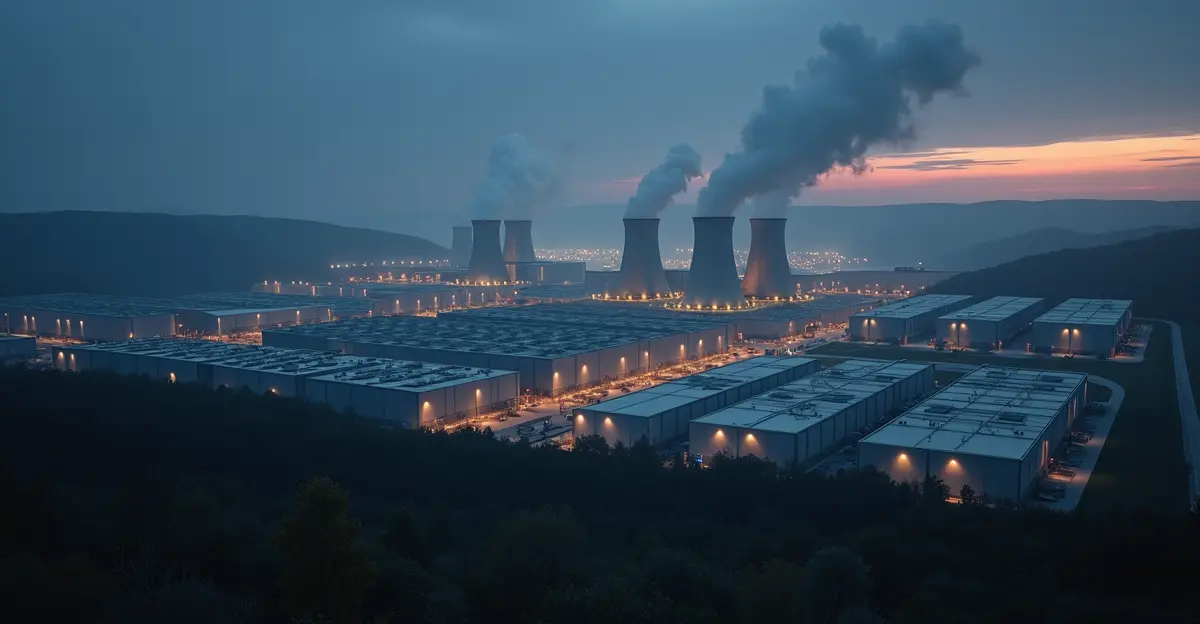
The explosive growth of artificial intelligence is creating unprecedented electricity demands that are fundamentally altering global energy security dynamics. According to recent International Energy Agency (IEA) reports, AI-driven data centers are projected to more than double their global electricity consumption by 2030, reaching approximately 945 terawatt-hours – slightly more than Japan's current total electricity consumption. This massive energy appetite is triggering a new era of geopolitical competition as nations scramble to secure power resources for AI infrastructure, creating strategic vulnerabilities and reshaping international alliances around electricity grids and critical mineral supply chains.
What is the AI Energy Crisis?
The AI energy crisis refers to the unprecedented electricity demands created by artificial intelligence systems and the data centers that power them. Unlike traditional computing infrastructure, AI-optimized data centers require specialized hardware that consumes up to 10 times more power than conventional servers. A single AI-optimized rack can demand 40-60+ kilowatts compared to traditional racks at just 5-15 kilowatts. This dramatic increase in power density is straining electrical grids worldwide and creating new geopolitical tensions as nations compete for limited energy resources to support their AI ambitions.
The Scale of the Challenge: Projections and Realities
Current data reveals staggering growth in data center energy consumption. In the United States alone, data centers consumed 176 terawatt-hours in 2023 – enough to power 16 million homes for a year and representing over 4% of national electricity use. The U.S. Department of Energy projects this could reach 325-580 terawatt-hours by 2028, accounting for 6.7-12% of total U.S. electricity. Globally, data centers consumed about 460 terawatt-hours in 2022, representing 2% of worldwide electricity use, with projections reaching 650-1,050 terawatt-hours by 2026.
The Regional Concentration Problem
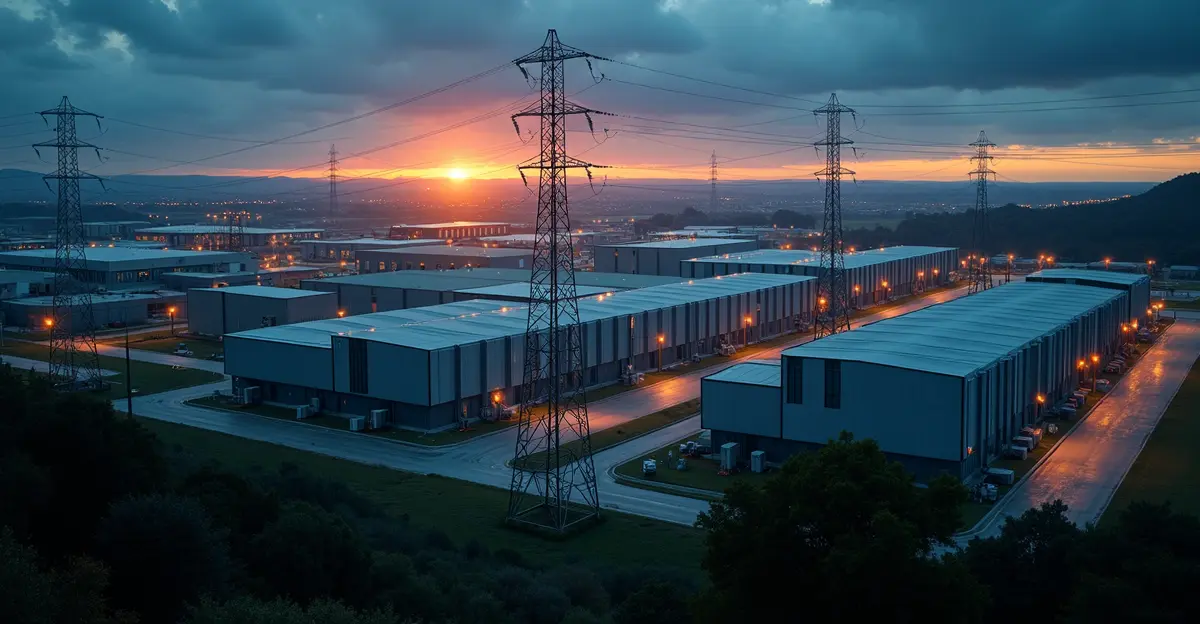
Data center expansion is not evenly distributed geographically, creating regional energy security challenges. Virginia has become the world's highest concentration of data centers, followed by Texas and California. This concentration is already causing significant economic and political consequences. According to CNBC analysis, electricity bills surged 13% in Virginia, 16% in Illinois, and 12% in Ohio in August 2024 compared to the previous year – far above the national average of 6%. The PJM Interconnection grid serving these states faces a major supply-demand imbalance, with data center demand accounting for $9.3 billion (63%) of the $14.7 billion power capacity bill for 2025-2026.
Geopolitical Implications and Strategic Vulnerabilities
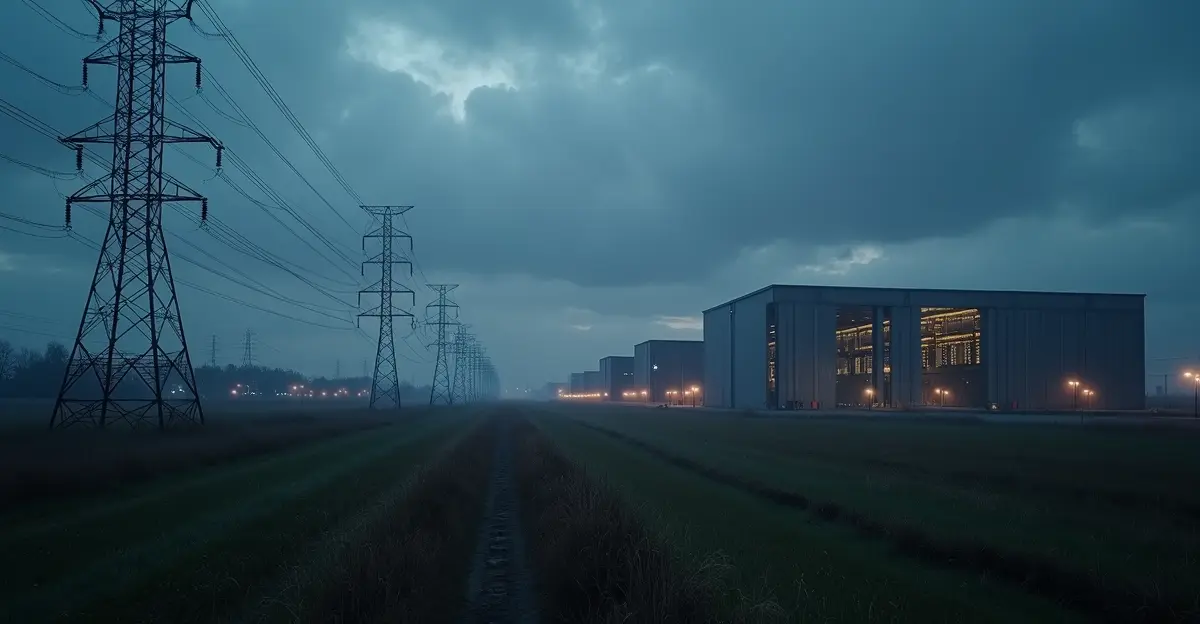
The concentration of AI infrastructure in specific regions creates strategic vulnerabilities that nations must address. A July 2024 incident in Virginia revealed the fragility of this system when 60 data centers simultaneously disconnected from the grid, creating a 1,500-megawatt power surplus that nearly caused cascading outages across the Eastern United States. This event highlighted how dependent national security and economic stability have become on reliable power for AI infrastructure.
Energy Resource Competition
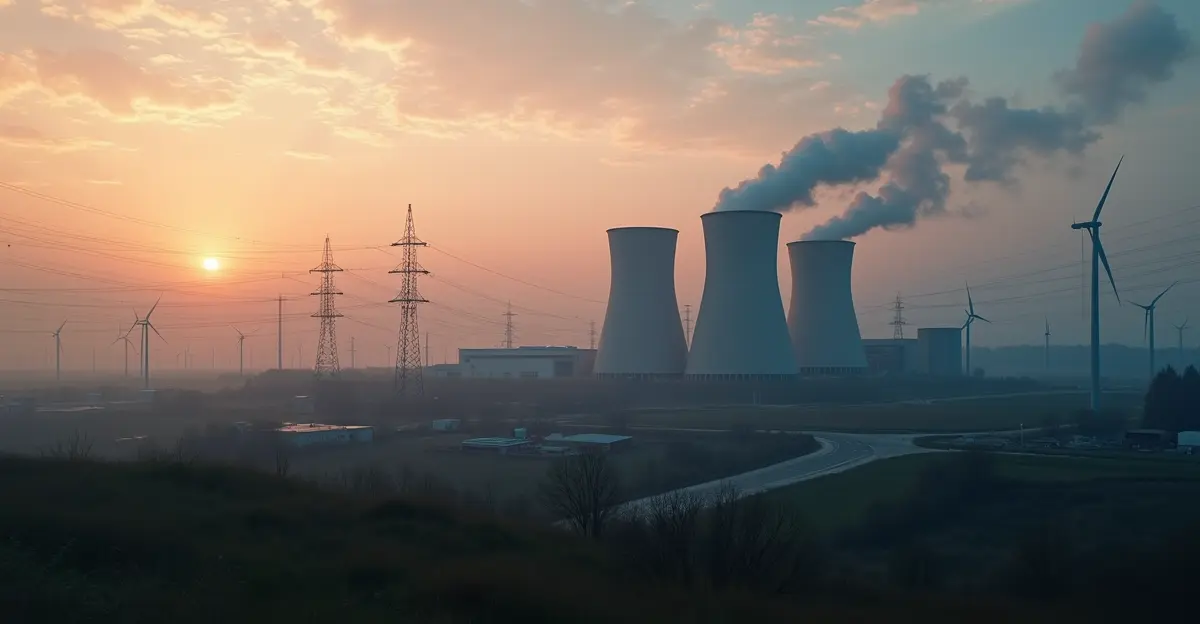
Nations are increasingly competing for energy resources to power their AI ambitions. The U.S. Energy Information Administration warns that the rapid growth of data centers could lead to increased fossil fuel generation despite clean energy transitions. This creates a tension between technological advancement and climate goals, as immediate energy demands may temporarily boost natural gas and other fossil fuel use. The global critical minerals supply chain has become a key battleground, with China controlling 90% of rare earth element processing capacity – giving it strategic leverage over AI development worldwide.
The Critical Minerals Supply Chain Challenge
AI infrastructure depends on critical minerals like copper, lithium, graphite, rare earth elements, and uranium. According to the IEA's Global Critical Minerals Outlook 2025, securing these resources has become a geopolitical imperative. Europe faces particular vulnerability with mining production declining 40% over 25 years, creating dangerous dependencies on imports. The disconnect between policy recognition and financial execution remains a key challenge, as development banks remain reluctant to fund mining despite government guarantees for strategically important projects.
Financial Bottlenecks and Strategic Investments
Expert Amanda Van Dyke identifies finance as the biggest bottleneck in critical mineral development, with mining projects generating only 5-15% returns compared to tech's 20-30%, compounded by long development timelines (now 16-20 years). Major tech companies are spending hundreds of billions on infrastructure, with Amazon's 2025 capital expenditures projected to exceed $100 billion. This massive investment creates both opportunities and challenges for energy security policy as private sector priorities increasingly shape national energy strategies.
Policy Responses and International Alliances
Governments worldwide are developing new policy frameworks to address the AI energy challenge. In the United States, President Trump recently secured a Ratepayer Protection Pledge from AI executives, while Governor Abigail Spanberger of Virginia promised to make tech companies "pay their fair share" of escalating electricity costs. The Belfer Center report calls for new regulatory tools to incentivize grid flexibility and equitable cost-sharing mechanisms to address this watershed moment for U.S. energy infrastructure and technological competitiveness.
Grid Modernization and International Cooperation
The IEA emphasizes that countries need to accelerate investments in electricity generation and grids while improving data center efficiency to harness AI's potential benefits. International cooperation around grid interconnections and renewable energy development has become increasingly important as nations recognize that no single country can secure AI energy independence alone. Emerging alliances focus on shared infrastructure, technology standards, and coordinated investment in next-generation power systems.
Future Outlook: Balancing AI Growth with Energy Security
The trajectory of AI development will be fundamentally shaped by energy availability and security considerations. While AI offers significant opportunities to transform the energy sector by cutting costs, enhancing competitiveness, reducing emissions, and accelerating innovation in technologies like batteries and solar PV, its energy demands pose substantial challenges. The coming years will see increased tension between technological ambition and practical energy constraints, requiring innovative solutions at the intersection of technology policy, energy infrastructure, and international relations.
Frequently Asked Questions
How much electricity do AI data centers consume compared to traditional data centers?
AI-optimized data centers consume dramatically more electricity than traditional facilities. AI-optimized racks require 40-60+ kilowatts compared to traditional racks at just 5-15 kilowatts. The IEA projects AI-optimized data centers alone will quadruple their electricity demand by 2030.
Which countries are most vulnerable to AI energy security risks?
Countries with high concentrations of data centers and limited domestic energy resources face the greatest risks. The United States, particularly Virginia, Texas, and California, faces immediate challenges, while European nations with declining mining production and dependence on critical mineral imports face longer-term vulnerabilities.
How is the AI energy demand affecting electricity prices for consumers?
Electricity prices are rising significantly in data center-concentrated regions. Residential electricity prices have risen over 36% since 2020, from 12.76 cents to 17.44 cents per kilowatt-hour by February 2026, with projections reaching 19.01 cents by September 2027. Virginia saw a 13% increase in electricity bills in August 2024 compared to the previous year.
What critical minerals are most essential for AI infrastructure?
The most critical minerals for AI infrastructure include copper (for electrical systems), lithium (for batteries), graphite (for thermal management), rare earth elements (for magnets and electronics), and uranium (for potential nuclear power). China currently controls 90% of rare earth element processing capacity.
Can renewable energy meet the growing demands of AI data centers?
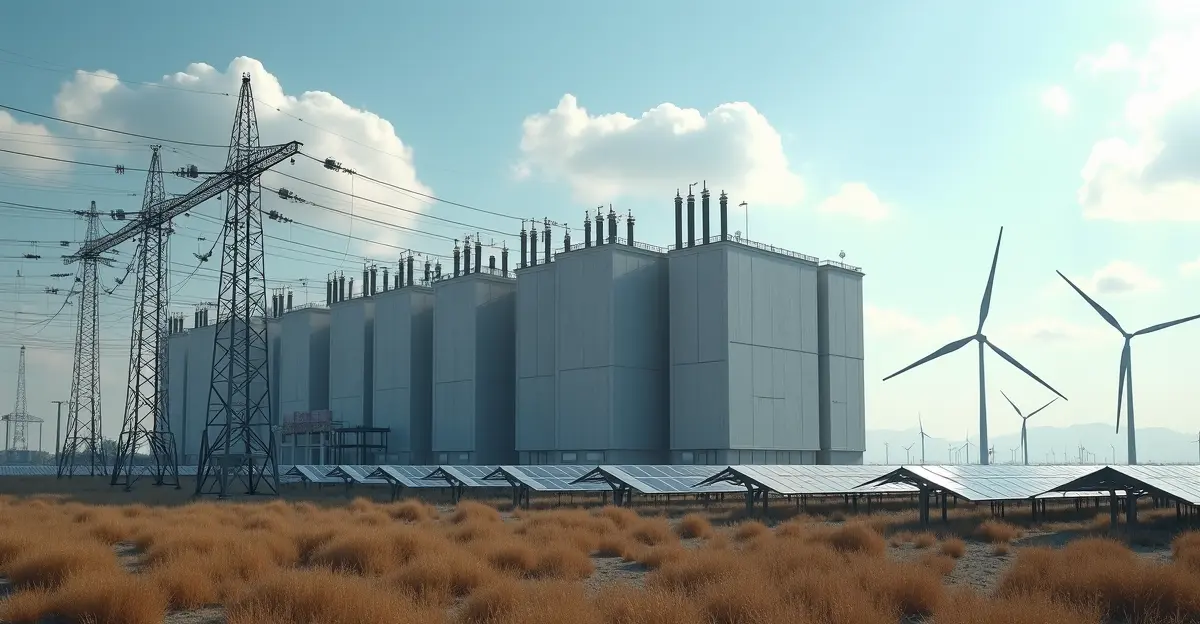
While renewable energy can contribute significantly, the scale and reliability requirements of AI data centers present challenges. The intermittent nature of solar and wind power requires substantial energy storage solutions and grid modernization. Many experts believe a diversified energy mix including nuclear, geothermal, and advanced renewables will be necessary.
Follow Discussion