


 Deutsch
 English
 Español
 Français
 Nederlands
 Português


 Share
Share




The AI-Energy Nexus: How Artificial Intelligence is Redefining Global Power Dynamics
Artificial intelligence's explosive growth is fundamentally reshaping global energy security and geopolitics, creating what experts call a 'new Energy Security Age' where economic futures depend on strategic resource management. Recent reports from the International Monetary Fund and International Energy Agency published in April 2025 reveal unprecedented data on AI's projected energy consumption, while J.P. Morgan's 'Power Rewired' analysis shows nations treating energy security as a national security imperative. This dual impact of AI—massive electricity consumption driving unprecedented power demand while offering optimization tools—is creating tectonic shifts in global power structures.
What is the AI-Energy Nexus?
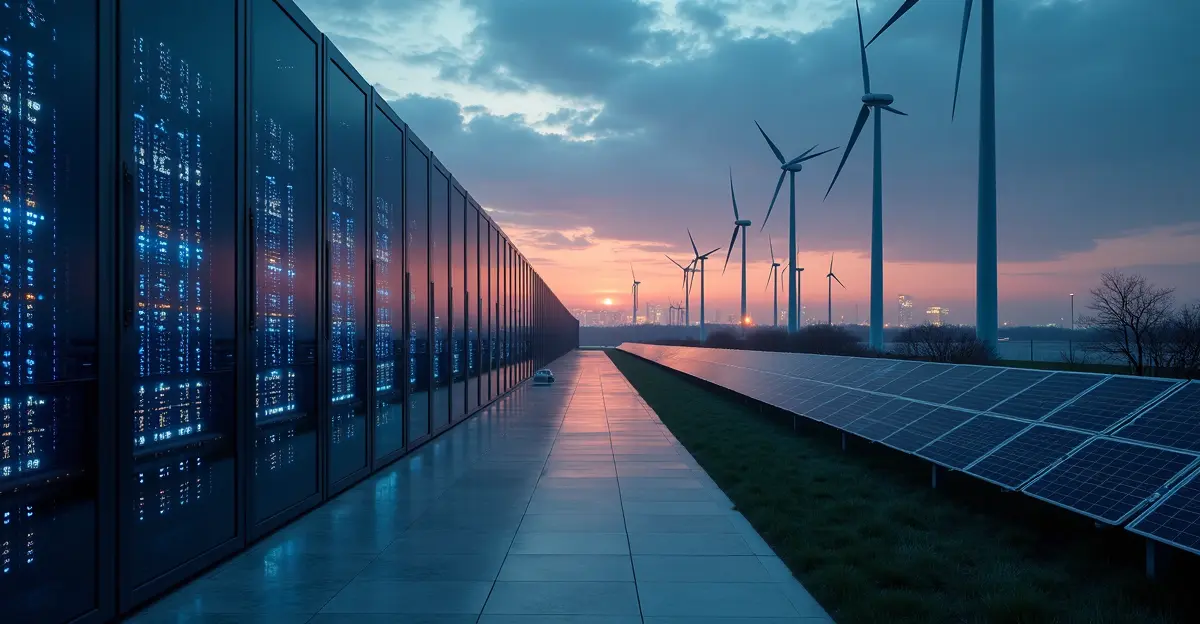
The AI-energy nexus refers to the complex, bidirectional relationship between artificial intelligence development and global energy systems. On one hand, AI systems, particularly large language models and data centers, consume enormous amounts of electricity—projected to double from 415 terawatt-hours in 2024 to nearly 1,000 terawatt-hours within five years, according to IEA data. On the other hand, AI offers powerful tools to optimize energy grids, predict demand patterns, and enhance renewable integration. This creates a paradox where AI both strains energy infrastructure and provides solutions to manage it, fundamentally altering how nations approach energy security strategies.
The Dual Impact: Consumption vs. Optimization
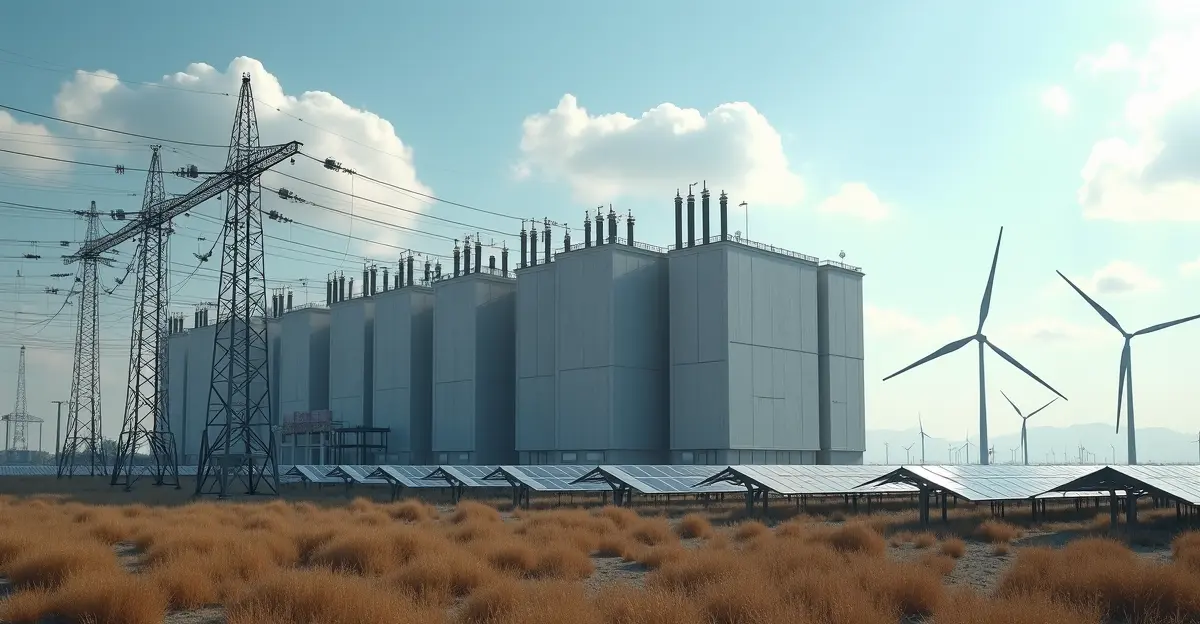
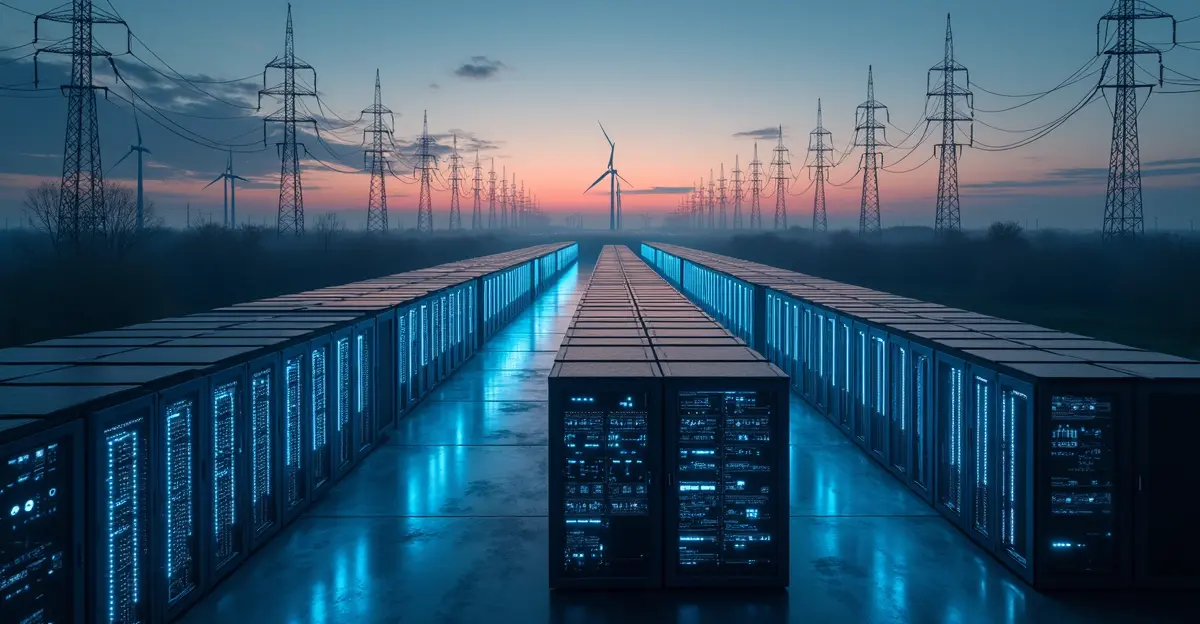
Goldman Sachs Research forecasts AI will drive a 165% increase in global data center power demand by 2030 compared to 2023 levels. Currently, data centers consume about 55 gigawatts of power, with AI workloads accounting for 14% of this total. By 2027, power demand is projected to reach 84 GW, with AI's share growing to 27%. This explosive growth requires approximately $720 billion in grid infrastructure investment through 2030.
AI's Energy Consumption Reality
The IMF Working Paper 'Power Hungry: How AI Will Drive Energy Demand' (WP/25/81, April 2025) examines significant energy consumption implications. Data centers represent only about 8% of expected electricity demand growth this decade, but they create unique grid challenges as they cluster near population centers. Some regions like Virginia and Ireland already see 20-25% of electricity going to data centers. Gartner forecasts electricity demand for data centers will grow by 16% in 2025 and double by 2030.
AI as Energy Optimization Tool
Simultaneously, AI technologies offer unprecedented capabilities for energy system optimization. Machine learning algorithms can predict electricity demand with 95% accuracy, optimize renewable energy dispatch, and prevent grid failures. The European Union's digital energy transition initiatives demonstrate how AI can reduce energy waste by 15-20% in industrial applications. This dual nature creates strategic opportunities for nations that can balance consumption with optimization capabilities.
Geopolitical Realignments and National Security Imperatives
J.P. Morgan's 'Power Rewired' analysis reveals nations are rethinking energy strategies through a national security lens, with countries seeking self-sufficiency through diverse technologies including solar, wind, and nuclear power. The report highlights how critical minerals and technological know-how have become pivotal tools of influence, reshaping diplomatic relations and creating new geopolitical alliances.
China's Strategic Mineral Dominance
China controls approximately 60% of global rare earth mining and 85-90% of processing capacity, giving it significant geopolitical leverage in AI infrastructure development. According to Atlantic Council analysis, China has weaponized this dominance through export controls, putting global industries at risk. The country's comprehensive strategy includes vertical integration from mining to manufacturing, export controls, and strategic stockpiling. This dominance supports China's broader industrial policies and national security objectives while creating vulnerabilities for nations dependent on these critical minerals for electronics, renewable energy, and defense technologies.
New Grid Alliances in Asia and Middle East
New geopolitical alliances are forming around electricity grid infrastructure, particularly in Asia and the Middle East, where neighboring economies are becoming interdependent through shared energy networks. These cross-border electricity integrations create shared vulnerabilities but also mutual dependencies that can foster regional stability. The Middle East energy cooperation frameworks demonstrate how grid diplomacy can reshape traditional geopolitical relationships, with countries like Saudi Arabia and the UAE investing in interconnected renewable energy networks.
Fragmentation of Global Energy Orders
The global energy order is fragmenting as countries pursue diverse energy mixes including renewables, nuclear, and fossil fuels to power AI development. This fragmentation creates regional competitive landscapes with distinct advantages and challenges.
Regional Competitive Landscapes
North America maintains unique advantages across fossil fuels, renewables, and nuclear but faces policy bottlenecks. China dominates clean tech manufacturing while building coal plants for grid stability. Europe faces high energy costs impacting industrial competitiveness, while India is developing thorium reactor technology to bypass uranium dependency. Each region's approach to the global energy transition reflects its resource endowments, technological capabilities, and geopolitical positioning.
Critical Minerals as Geopolitical Leverage
Critical minerals like lithium, cobalt, and rare earths have become geopolitical leverage points, with China dominating 70-95% of clean energy supply chains. The Council on Foreign Relations argues that the U.S. cannot simply out-mine or out-process China but should pursue innovation-focused strategies to leapfrog China's position. Recommendations include developing substitute materials, scaling waste-based recovery from mine tailings, and embedding innovation-led mineral security into allied frameworks.
Impact on Global Power Dynamics
The AI-energy nexus is creating what experts call a 'new Energy Security Age' where economic futures depend on strategic resource management, policy decisions, and international alliances. Nations that successfully navigate this complex landscape will gain significant economic and geopolitical advantages.
Economic Implications
Countries with reliable, affordable energy supplies and advanced AI capabilities will attract high-value industries and investment. The IMF report warns that nations failing to address AI's energy demands risk economic stagnation and technological dependency. Europe potentially faces a 10-15% boost in power consumption over the next 10-15 years due to data center expansion, creating both challenges and opportunities for industrial competitiveness.
Strategic Recommendations
Experts recommend several strategic approaches: investing in grid modernization and renewable energy infrastructure, developing critical mineral supply chain resilience, fostering international cooperation on energy standards, and balancing AI development with energy efficiency measures. The United States technology policy must address these interconnected challenges to maintain global competitiveness.
Expert Perspectives
'We're witnessing the most significant restructuring of global energy geopolitics since the oil crises of the 1970s,' says a senior analyst from J.P. Morgan's Center for Geopolitics. 'AI isn't just another technology—it's a fundamental force reshaping how nations think about power, security, and economic competitiveness.' Energy economists emphasize that the countries that successfully integrate AI optimization with sustainable energy systems will dominate the 21st-century economy.
Frequently Asked Questions
How much electricity does AI actually consume?
Currently, data centers consume about 415 TWh (1.5% of global electricity) in 2024, growing at 12% annually. The IEA projects this will double to 945 TWh by 2030, representing nearly 3% of global electricity. AI-specific workloads account for 14% of current data center power consumption, projected to reach 27% by 2027.
Why is China's critical mineral dominance so significant?
China controls 60% of global rare earth mining and 85-90% of processing capacity, giving it strategic leverage over AI infrastructure development. Rare earth elements are essential for electronics, renewable energy technologies, and defense systems, making this dominance a national security concern for other nations.
What are the main geopolitical risks of AI-energy interdependence?
Key risks include supply chain vulnerabilities for critical minerals, cascading grid failures from interconnected systems, technological dependency on dominant players, and the weaponization of energy resources in geopolitical conflicts. Grid diplomacy creates both shared vulnerabilities and opportunities for cooperation.
How can nations balance AI development with energy sustainability?
Strategies include investing in renewable energy infrastructure, developing energy-efficient AI algorithms, creating circular economies for critical minerals, fostering international standards for energy-efficient computing, and using AI itself to optimize energy systems through predictive analytics and smart grid management.
What regions are leading in AI-energy integration?
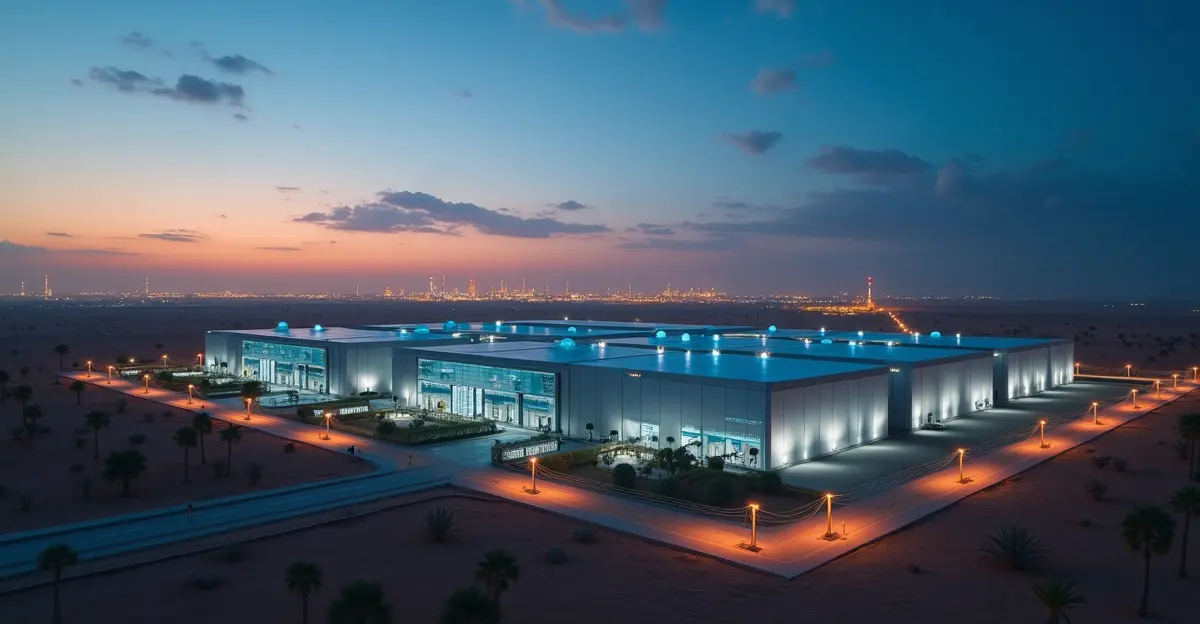
North America leads in AI innovation and diverse energy resources but faces policy challenges. China dominates manufacturing and processing capabilities. Europe excels in renewable integration and regulatory frameworks. The Middle East is investing heavily in solar-powered data centers and grid interconnections. Each region brings different strengths to the evolving AI-energy landscape.
Conclusion and Future Outlook
The AI-energy nexus represents one of the most significant geopolitical transformations of our time, reshaping how nations approach security, economic development, and international relations. As AI continues its exponential growth, the countries that successfully navigate the complex interplay between technological innovation and energy sustainability will emerge as the global leaders of the 21st century. The coming decade will determine whether this transformation leads to greater cooperation or increased fragmentation in the global energy order.

Follow Discussion