


 Deutsch
 English
 Español
 Français
 Nederlands
 Português


 Share
Share




Three Dead in Mexico City as World Cup Celebrations Turn Tragic
A massive celebration in Mexico City following the Mexican national team's historic 2-0 victory over Ecuador at the 2026 FIFA World Cup turned deadly on July 1, as a crowd crush near the iconic Angel of Independence monument claimed the lives of three people. The Ministry of Health confirmed the victims as a 44-year-old man and two women aged 19 and 48, all of whom died from asphyxiation due to the immense crowd pressure.
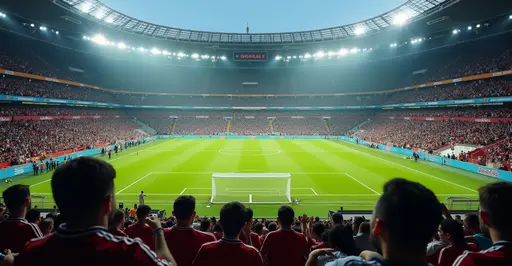
The tragedy struck as millions of jubilant fans poured onto the streets of the capital to celebrate Mexico's first knockout-stage World Cup win in 40 years — since the 1986 tournament, which Mexico also co-hosted. The victory, secured by first-half goals from Julián Quiñones and Raúl Jiménez at the Estadio Azteca, propelled the co-hosts into the round of 16 and ignited an outpouring of national pride that overwhelmed public spaces across the city.
Context: A Historic Win and a City on Edge
Mexico's triumph over Ecuador ended a decades-long drought in knockout matches. Since defeating Bulgaria 2-0 in 1986, the team had been eliminated at the first knockout hurdle in seven consecutive World Cups. The win also made Mexico the first Concacaf side to eliminate a CONMEBOL opponent in a World Cup knockout match. Ecuador finished with ten men after Piero Hincapié received a red card in stoppage time.
The celebrations, however, quickly escalated beyond the capacity of public safety measures. Reports indicate that over one million people gathered in the central districts, particularly along Paseo de la Reforma and around the Angel of Independence — a traditional gathering point for Mexican sporting triumphs. The crowd management during World Cup 2026 faced intense scrutiny as emergency services struggled to reach victims in the dense throng.
How the Tragedy Unfolded
Timeline of Events
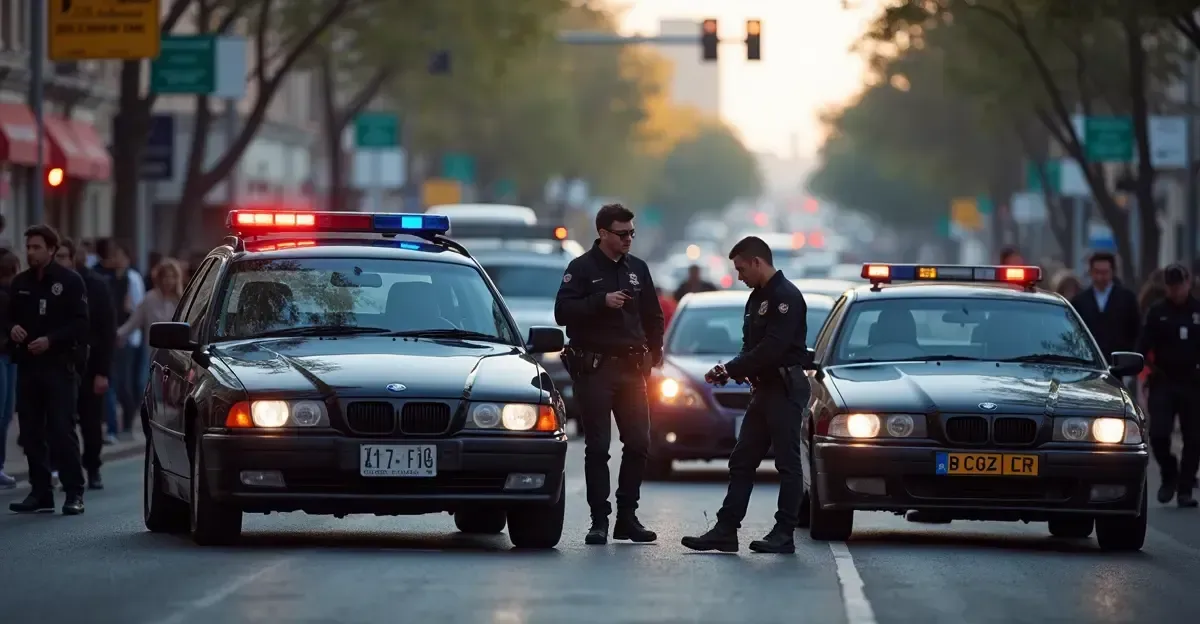
The match ended shortly before midnight local time. Within minutes, fans began streaming out of the Azteca Stadium and converging on the city center. By 12:30 AM, the area around the Angel of Independence was packed with an estimated 500,000 people. Witnesses described a surge in the crowd that pushed people against barriers and each other. Emergency responders were dispatched to three separate locations where victims had collapsed.
Victims and Response
The first victim, a 44-year-old man, was pronounced dead at the scene near the monument. A 19-year-old woman died shortly after being transported to a nearby hospital. A third victim, a 48-year-old woman who had been assisted on a side street, succumbed to her injuries at a medical facility despite advanced resuscitation efforts. Mexico City Mayor Clara Brugada expressed her condolences and urged citizens to celebrate responsibly. "We share the joy of this historic victory, but we must also mourn this senseless loss. I call on everyone to celebrate with care and empathy for one another," Brugada said in a statement.
Impact and Implications
The deaths have cast a shadow over what was otherwise a triumphant night for Mexican football. The country is co-hosting the 2026 World Cup alongside the United States and Canada, and the tournament has already set attendance records. Mexico's run continues with a round-of-16 match against either England or the Democratic Republic of Congo, also scheduled at the Azteca Stadium.
The tragedy has sparked debate about crowd safety protocols in major public events. While Mexico City has extensive experience managing large gatherings — including previous World Cup celebrations and Independence Day festivities — the sheer scale of the turnout overwhelmed existing measures. The 2026 World Cup fan zone safety protocols are now under review by city authorities.
This incident is not isolated. During the group stage, Mexico had already clinched a spot in the knockout round with a win over South Korea, triggering large but peaceful celebrations. The history of stadium stampedes in football shows that even joyous occasions can turn deadly when crowd density exceeds safe limits.
Looking Ahead
Mexico remains unbeaten in 10 World Cup matches at the Azteca Stadium and is undefeated in the tournament so far. Coach Javier Aguirre called the victory over Ecuador "a great night for Mexicans," but acknowledged the tragedy. The team has dedicated their next match to the victims and their families. As the World Cup continues, authorities are expected to deploy additional police and medical personnel to fan zones and public viewing areas to prevent further incidents.
Frequently Asked Questions
What caused the stampede in Mexico City?
The stampede was caused by a massive crowd surge near the Angel of Independence monument after Mexico's World Cup victory over Ecuador. The density of the crowd — estimated at over one million people — led to asphyxiation and crushing injuries.
How many people died in the Mexico World Cup celebration?
Three people died: a 44-year-old man and two women aged 19 and 48. All died from asphyxiation due to crowd crush.
When did Mexico last win a World Cup knockout match before 2026?
Mexico's previous knockout-stage victory was in 1986, when they defeated Bulgaria 2-0 at the same Estadio Azteca. That was also the last time Mexico hosted the World Cup before the 2026 co-hosting.
Who is Mexico's next opponent in the 2026 World Cup?
Mexico will face either England or the Democratic Republic of Congo in the round of 16. The match will be played at the Estadio Azteca in Mexico City.
What safety measures are being taken after the tragedy?
Mexico City authorities are reviewing crowd management protocols, increasing police and medical personnel at fan zones, and urging fans to celebrate responsibly. Additional barriers and emergency access routes are being planned.
Follow Discussion