


 Deutsch
 English
 Español
 Français
 Nederlands
 Português


 Share
Share




Two weeks after Spain lifted the trophy at MetLife Stadium, the 2026 FIFA World Cup is already being hailed as the most commercially successful edition in history—generating a record $15 billion in revenue and drawing nearly 7 million fans to matches across North America. But as the confetti settles, host cities from Vancouver to Mexico City are confronting a sobering reality: massive infrastructure bills, underused venues, and lingering questions about who really profits from the beautiful game.
A Tournament of Firsts and Records
The 48-team format expansion proved a financial bonanza. With 104 matches played over 39 days—up from 64 in 2022—FIFA’s broadcast rights alone surged to an estimated $4.5 billion, while sponsorship deals with global brands shattered previous benchmarks. Attendance averaged over 67,000 per match, surpassing the 1994 U.S. World Cup’s long-standing record. “This tournament has rewritten the economics of global sport,” said Dr. Elena Vásquez, director of the Institute for Sports Finance at the University of Barcelona. “But the revenue numbers tell only half the story.”
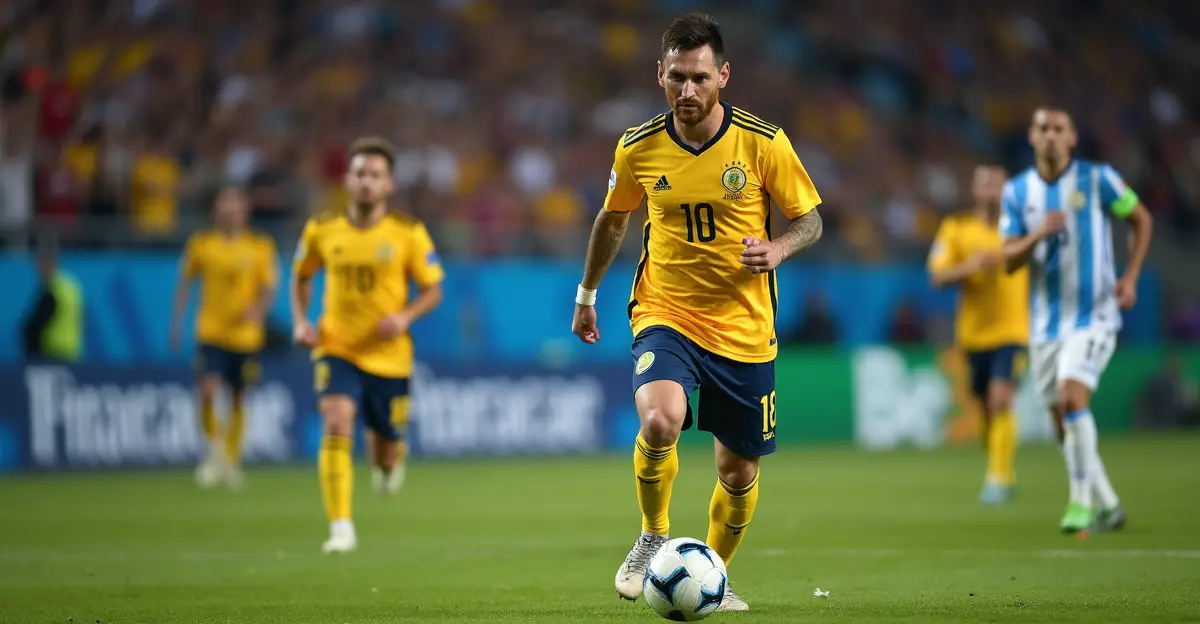
Spain’s 1–0 extra-time victory over defending champion Argentina capped a tournament that also saw Kylian Mbappé become the all-time World Cup top scorer with his second consecutive Golden Boot, netting 10 goals. Yet for all the on‑field drama, the off‑field ledger is increasingly scrutinized.
The Host City Burden: Who Pays for the Party?
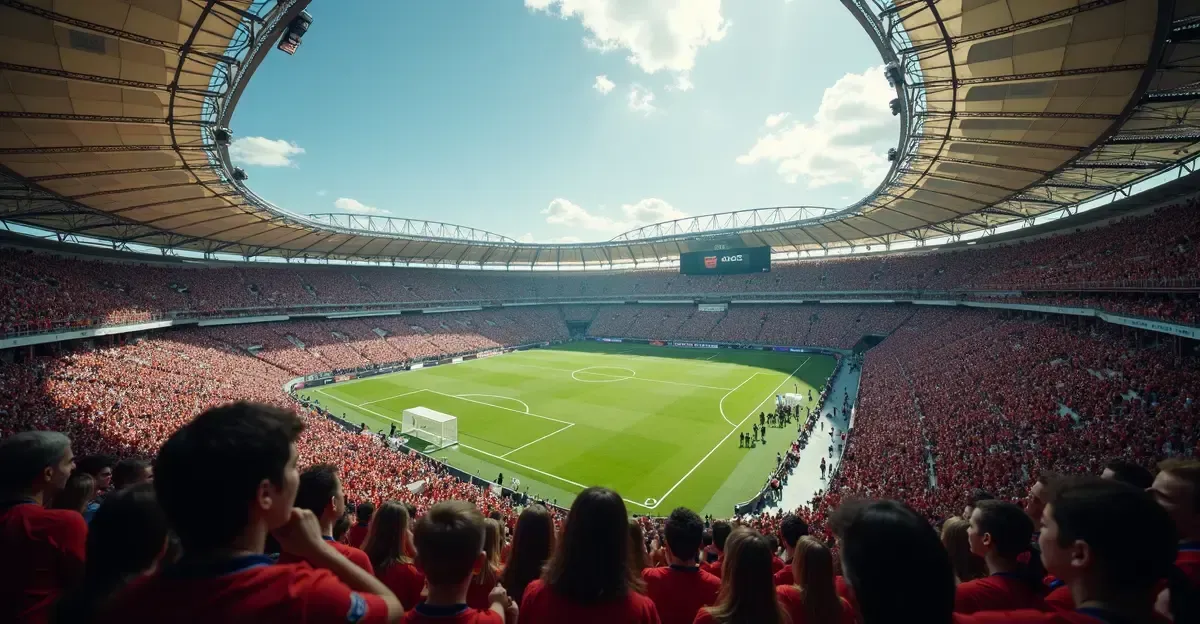
FIFA’s revenue boom contrasts sharply with the fiscal strain on host municipalities. The 16 host cities—11 in the United States, three in Mexico, and two in Canada—collectively poured an estimated $6.2 billion into stadium renovations, transportation upgrades, and security. While some, like Los Angeles and Atlanta, leveraged existing NFL infrastructure, others, including Monterrey and Toronto, incurred significant debt.
Empty Promises of Legacy
In Guadalajara, the Estadio Akron received $340 million in upgrades, yet city officials acknowledge that post‑tournament utilization plans remain “aspirational.” Similarly, Kansas City’s Arrowhead Stadium now faces maintenance costs that exceed pre‑World Cup projections by 40%, according to a preliminary audit leaked to local media. “We were told the World Cup would be a catalyst for permanent economic development,” said Kansas City Council member Marcus Webb. “Instead, we’re looking at a decade of belt‑tightening.”
This pattern mirrors concerns raised after previous mega‑events. The 2022 Qatar World Cup legacy debate over “white elephant” stadiums has resurfaced, though North American organizers insist their model is different. FIFA has pointed to a $450 million legacy fund distributed among host cities, but critics argue it covers only a fraction of the incurred debt.
Revenue vs. Reality: The $15 Billion Question
FIFA’s $15 billion revenue figure includes broadcasting, sponsorship, ticketing, and licensing. Ticketing alone brought in $2.1 billion, with average resale prices for the final exceeding $12,000 on secondary markets. Yet FIFA, as a tax‑exempt nonprofit under Swiss law, will redistribute only a portion to host nations. The remainder funds global development programs—and raises the organization’s cash reserves.
| Revenue Stream | 2022 Qatar | 2026 North America |
|---|---|---|
| Broadcasting Rights | $3.0B | $4.5B |
| Sponsorship | $1.7B | $2.8B |
| Ticketing & Hospitality | $1.2B | $2.1B |
| Licensing & Merchandise | $0.6B | $1.1B |
| Total | $7.5B | $15.0B |
The contrast with host‑city finances is stark. “FIFA walks away with a surplus, while taxpayers are left holding the bag,” noted Mexican economist Armando Fuentes. “This is the fundamental imbalance of the modern World Cup.”
The Political Fallout
The financial disparity is already fueling political backlash. In the U.S. Congress, a bipartisan group of lawmakers has called for hearings on the public‑cost commitments made by host cities under FIFA’s bidding requirements. Canadian MPs have similarly demanded transparency on the C$1.1 billion spent by Vancouver and Toronto.
The trilateral hosting agreement between the U.S., Mexico, and Canada—hailed as a diplomatic milestone—now faces criticism for lacking enforceable cost‑sharing mechanisms. Mexico’s incoming administration has hinted at a review of all World Cup‑related contracts, while Canadian opposition leader Jean‑Marc Leblanc called the tournament “a lesson in how not to negotiate with FIFA.”
FAQ
How much revenue did the 2026 World Cup generate?
FIFA reported a record $15 billion in total revenue from broadcasting, sponsorship, ticketing, and licensing—more than double the $7.5 billion from the 2022 Qatar World Cup.
Which host cities spent the most on infrastructure?
Los Angeles, Mexico City, and Toronto led spending, each investing over $500 million in stadium upgrades, transportation, and security. Smaller host cities like Kansas City and Monterrey also incurred significant debt.
Who won the 2026 FIFA World Cup?
Spain defeated defending champion Argentina 1–0 in the final after extra time, claiming their second World Cup title.
Will host cities recoup their investment?
Most independent analyses suggest a mixed picture. While tourism and hospitality sectors saw short‑term boosts, long‑term infrastructure costs and debt service are expected to outweigh direct economic benefits for many host cities.
What is FIFA doing with its surplus?
FIFA plans to allocate a portion of the surplus to its global development programs and increase its cash reserves. A $450 million legacy fund has been distributed among host cities, but critics say it is insufficient.



Follow Discussion