


 Deutsch
 English
 Español
 Français
 Nederlands
 Português


 Share





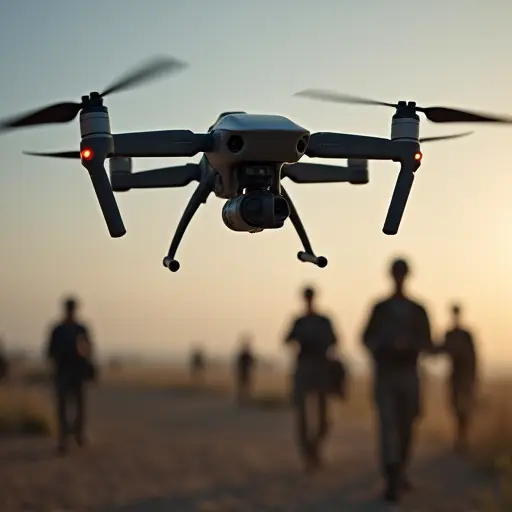
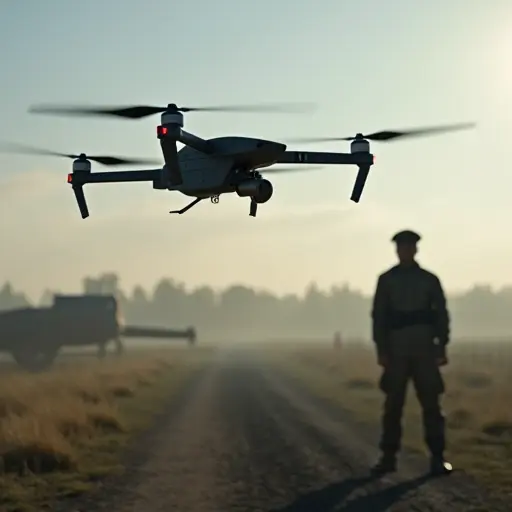
Employees of Dutch drone manufacturer Destinus shot down Russian drones and helped Ukrainian forces launch attack drones at Russia, according to a months-long investigation by NRC published on 19 November 2026. The report, based on interviews with more than forty people involved, has prompted warnings from war-law experts and the Dutch Ministry of Defence that such actions could amount to direct participation in hostilities. The revelations mark a significant escalation in the role of private arms firms in the Russia-Ukraine war.
What the NRC investigation found
In June 2023, Destinus employees travelled to the front line near Kharkiv to test their drones. The intended target was 180 kilometres inside Russia, near the city of Voronezh. According to NRC, the drone crossed into Russian airspace, and the same morning an unmanned aircraft struck an apartment building in Voronezh, wounding three people. The investigation says the company focused only on making the test a success, not on the consequences of a possible strike.
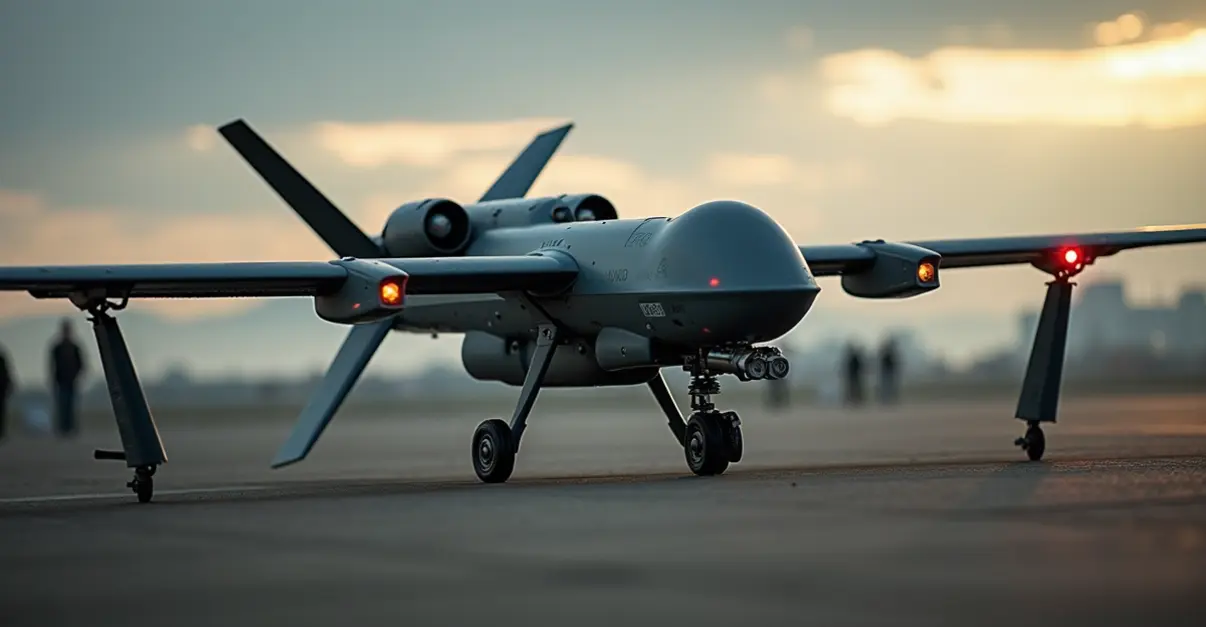
Employees also tested the company's Hornet drone in Ukraine by trying to intercept Russian Shahed drones. That effort was difficult: the drones frequently malfunctioned and crashed, NRC reports. The paper adds that Destinus staff helped the Ukrainian army shoot attack drones at Russia as early as three years ago.
- Destinus staff hunted Russian Shahed drones using the Hornet drone.
- Employees helped Ukraine shoot attack drones at Russia as early as 2023.
- A test flight targeted Voronezh, 180 km inside Russia, on the morning a drone hit an apartment building.
- The Dutch Ministry of Defence says deploying a weapon system is direct participation in hostilities.
The findings also intensify scrutiny of Dutch arms exports to Ukraine and raise questions about the legal limits for private defence contractors.
What is direct participation in hostilities?
Under the Geneva Conventions, civilians may not directly participate in hostilities. Anyone who does loses civilian protection and becomes a legitimate military target. The Dutch Ministry of Defence told NRC that all actions around deploying a weapon system constitute direct participation in hostilities, while merely explaining how a weapon system works does not.
| Direct participation | Technical support |
|---|---|
| Operating, aiming or launching weapons | Explaining system functions |
| Loss of civilian protection | May remain civilian |
| Becomes a legitimate target | Not directly targetable |
War-law experts quoted by NRC say Destinus' activities clearly qualify as direct participation and could pose a danger to the Netherlands itself. Dutch MPs also reacted with alarm to the report.
Destinus response and the Dutch government's role
Destinus denies carrying out military operations and says it provided only technical support. The company is the Netherlands' main drone manufacturer, with headquarters in Valkenburg, factories in Hengelo and Born, and it has received orders worth hundreds of millions of euros from the Dutch state to supply weapons to Ukraine. Cabinet members have visited the company several times.
This week Destinus publicly claimed for the first time that its missiles and drones were used in the attack on the Kerch bridge on Tuesday morning, which destroyed part of the bridge. A spokesperson told NOS: We found it important to show that technology developed in Europe, together with Ukrainian weapons, can make a concrete contribution to Europe's defence. The company has become a key player in European defence procurement.
What this means for Ukraine and the Netherlands
Overnight, Ukraine again attacked the Kerch bridge. Russian authorities said both car and train traffic over the bridge has been temporarily halted while the extent of the damage is assessed. The new revelations could have legal and security consequences: if Destinus employees are considered direct participants in hostilities, they may lose civilian protection and become legitimate targets.
Legal experts say the case raises difficult questions about private military contractors in conflict zones and the responsibilities of exporting states.
FAQ
What is Destinus?
Destinus is a private European aerospace and defence company founded in 2021 and headquartered in the Netherlands since 2024. It is the country's main drone manufacturer.
Did Destinus employees shoot down drones in Ukraine?
Yes, according to NRC, employees tested the Hornet drone against Russian Shahed drones and helped Ukrainian forces launch attack drones at Russia, although the system often malfunctioned.
Is that legal under international law?
Experts warn it may amount to direct participation in hostilities, which would strip civilians of protection and make them legitimate military targets. Providing only technical instructions is generally not considered direct participation.
What did the Dutch Ministry of Defence say?
The ministry said all actions around deploying a weapon system are direct participation in hostilities, while explaining how a system works is not.
What happened to the Kerch bridge?
Destinus claimed a role in the Tuesday attack that partially destroyed the bridge. Ukraine attacked again overnight, halting car and train traffic.
Follow Discussion