


 Deutsch
 English
 Español
 Français
 Nederlands
 Português


 Share
Share




What Are Kalashnikov's New Civilian Drones?
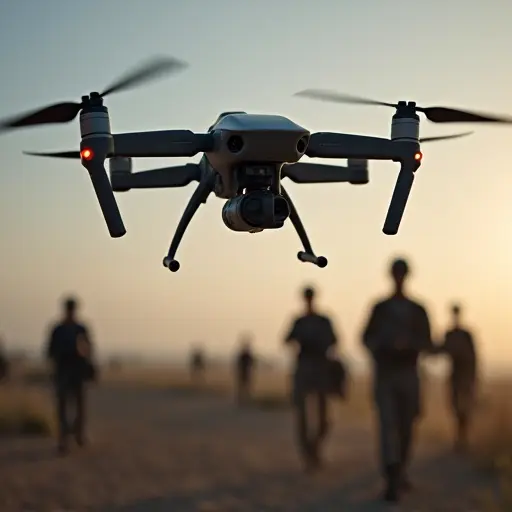
Russian arms manufacturer Kalashnikov Concern, best known for producing the iconic AK-47 assault rifle, is expanding aggressively into the civilian drone market with a new line of unmanned aerial vehicles (UAVs) unveiled at the National Aviation Infrastructure Salon (NAIS) in Moscow. The company's CEO Alan Lushnikov presented three compact, helicopter-style drones including the Goliath 2.0, Karakurt 2.0, and the Legioner and Alfa-E VTOL (vertical takeoff and landing) UAVs to Russian government officials, ministers, and industry leaders. This strategic diversification comes as Kalashnikov continues to profit significantly from Russia's war economy following the 2022 invasion of Ukraine.
Technical Specifications and Capabilities
The newly unveiled drones represent Kalashnikov's latest technological advancements in unmanned systems:
Goliath 2.0 and Karakurt 2.0
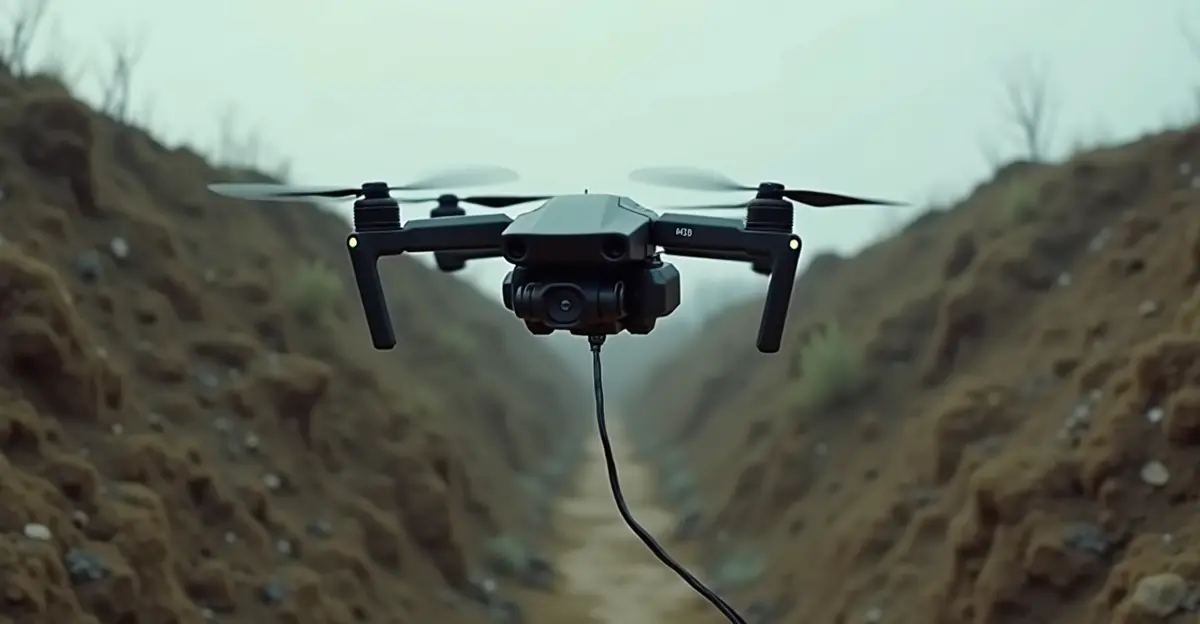
These rotary-wing drones feature encrypted communications with pseudo-random frequency hopping technology designed to counter electronic warfare systems. The Goliath 2.0 has a maximum takeoff weight of 1,500 grams, 40-minute flight time, 10 km operational range, and can reach altitudes of 500 meters. It's equipped with high-resolution daytime cameras offering 30x optical zoom and thermal imaging with 4x digital zoom on a three-axis stabilized gimbal for day/night operations.
The smaller Karakurt 2.0 weighs just 500 grams with 20-minute flight time, 2.5 km range, and 250-meter altitude capability. Both systems include obstacle avoidance technology and can automatically return to base if communication signals are lost.
Legioner and Alfa-E VTOL UAVs
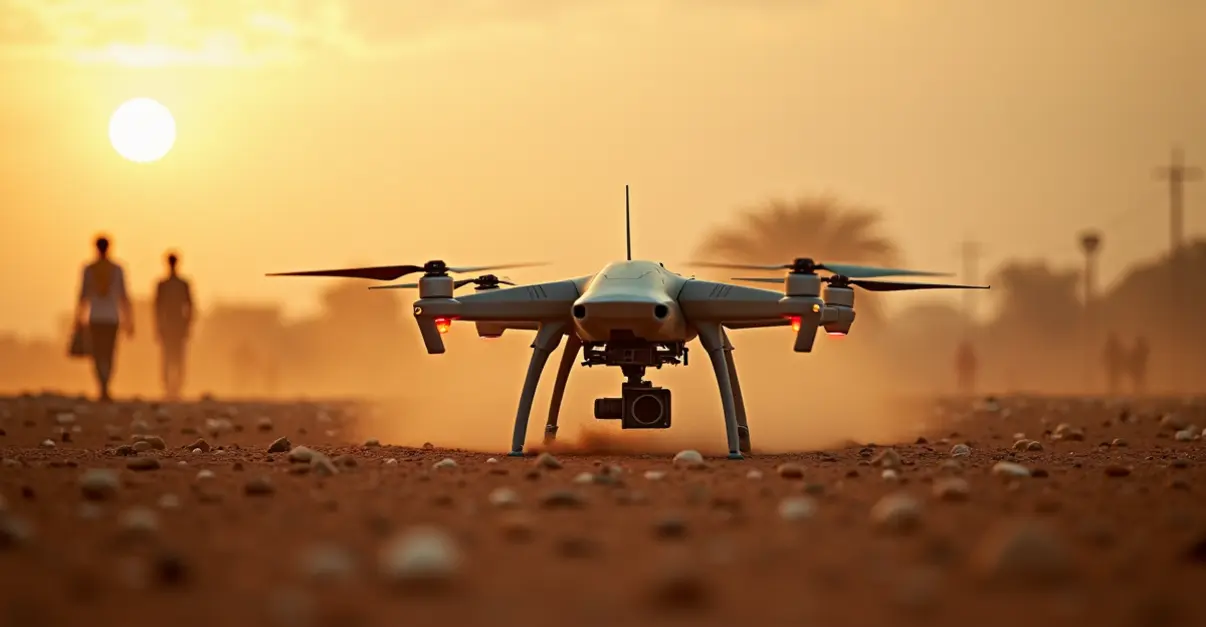
These 'flying wing drones' feature unique designs without separate fuselage or tail sections, offering enhanced aerodynamic efficiency. They're designed for continuous aerial surveillance of large areas and can operate in both daytime and nighttime conditions.
Civilian Applications and Market Strategy
Kalashnikov's new drones are designed for multiple civilian applications including:
- Continuous aerial monitoring of large infrastructure areas
- Assessment of fuel and energy installations, transport networks, and urban environments
- Inspection of power lines, agricultural lands, and forestry areas
- Counter-terrorism operations and threat deterrence
- Search and rescue missions in difficult terrain
'Our facilities have ultramodern design bureaus and large production capacities. These factors make us ready for success in the civilian market for unmanned aviation,' stated CEO Alan Lushnikov during the presentation.
The company's expansion into civilian drones represents a strategic diversification similar to other defense industry conversions seen globally, though with unique characteristics shaped by Russia's current economic and geopolitical situation.
War Economy Profits Fueling Expansion
Kalashnikov has significantly benefited from Russia's war economy since the 2022 invasion of Ukraine. The company reported a 40% production increase immediately following the invasion, and in 2024 announced that revenue from the first ten months had already surpassed the entire 2023 record by 14.5%. This financial success has provided the capital for research and development into new product lines like civilian drones.
Russia's defense industry has undergone substantial transformation, with companies like Kalashnikov adapting to both military demands and international sanctions impact on traditional markets. The drone expansion comes as Western sanctions continue to pressure Russia's economy, with EU sanctions envoy David O'Sullivan warning that Russia's war-based economy may become 'unsustainable' in 2026.
Geopolitical Context and Infrastructure Protection
The timing of Kalashnikov's civilian drone launch is particularly significant given the ongoing conflict in Ukraine. Both Russia and Ukraine have targeted each other's energy infrastructure with drone attacks, creating domestic demand for surveillance and protection systems. Russian oil refineries have suffered numerous drone attacks in recent years, creating a market for security solutions that Kalashnikov aims to address.
This development reflects broader trends in Russian military-industrial adaptation to modern warfare requirements, where traditional arms manufacturers are expanding into unmanned systems and dual-use technologies.
Market Implications and Competitive Landscape
Kalashnikov's entry into the civilian drone market positions the company against established players like DJI, Parrot, and other international manufacturers. However, the company brings unique advantages including:
| Advantage | Description |
|---|---|
| Military-Grade Durability | Experience producing combat-proven equipment |
| Electronic Warfare Resistance | Encrypted communications and frequency hopping |
| Domestic Market Access | Favorable position in Russian government procurement |
| Production Capacity | Large-scale manufacturing facilities already established |
The company plans to showcase these drones at international exhibitions including UMEX 2026 in Abu Dhabi, indicating ambitions beyond the domestic Russian market.
Frequently Asked Questions
What drones did Kalashnikov unveil in 2026?
Kalashnikov presented the Goliath 2.0, Karakurt 2.0, Legioner, and Alfa-E VTOL UAVs at the National Aviation Infrastructure Salon in Moscow.
Are these drones military or civilian?
While designed for civilian applications like infrastructure monitoring and search/rescue, the drones incorporate military-grade technology including encrypted communications and electronic warfare resistance.
How has the Ukraine war affected Kalashnikov's business?
The company reported a 40% production increase after the 2022 invasion and record revenue in 2024, with the first ten months surpassing the entire 2023 figure by 14.5%.
What are the main applications for these drones?
Primary applications include infrastructure monitoring, energy facility assessment, urban surveillance, agricultural inspection, counter-terrorism operations, and search/rescue missions.
Will Kalashnikov compete with companies like DJI?
Yes, the company aims to compete in the civilian drone market but brings unique advantages including military durability and electronic warfare resistance not typically found in consumer drones.

Follow Discussion