


 Deutsch
 English
 Español
 Français
 Nederlands
 Português


 Share





Oleshky evacuees crossed into Ukrainian-held territory on Saturday, completing a rare humanitarian rescue from a frontline city that had been trapped under Russian occupation for more than four years. The operation, which began Friday, unfolded under what the Guardian describes as the most significant truce since Russia's full-scale invasion of Ukraine in 2022.
What is the Oleshky evacuation truce?
The temporary ceasefire was announced on 23 October 2026 and took effect on 27 October, lasting six days until 1 November, according to the Blockade of Oleshky timeline. Brokered with involvement from US First Lady Melania Trump, the localized halt allowed mine-clearing teams to open an escape road, aid deliveries to reach the city, and a convoy of 25 buses and ambulances to evacuate up to 750 people.
Oleshky sits between the Dnipro River and Russian lines in Kherson Oblast. Before the 2022 invasion it had about 24,000 residents; by late 2026 the population had collapsed to roughly 2,000, most of them elderly people, caregivers and men fearing Russian filtration checkpoints, according to Ukrainian officials and the Kherson humanitarian blockade reports.
How the rescue unfolded
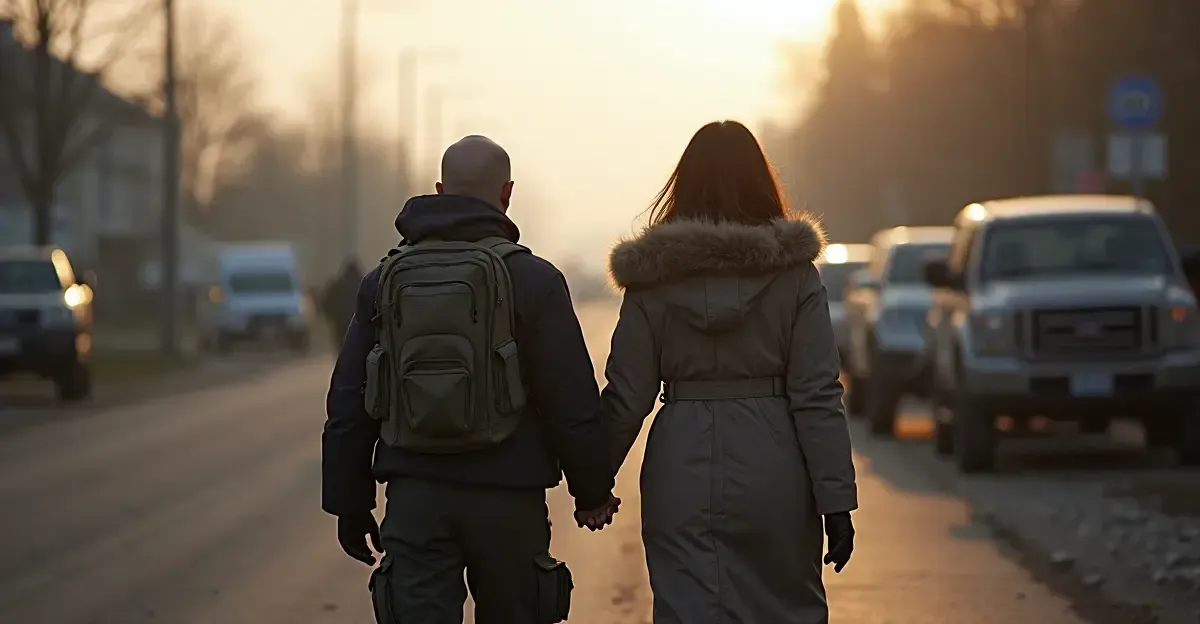
On Friday, evacuees travelled through occupied territory into southern Russia, then flew to Gomel in Belarus, before crossing into Ukraine's Chernihiv region. The route was necessary because Oleshky lies directly on the front line. At the border, families wept as they reunited after up to three years apart. Two sisters, Dasha and Anya Palii, ran screaming toward their father Mykhailo, while some elderly residents arrived on stretchers, weak from months without food, water or electricity.
BBC reporting said many residents had resorted to cooking garden weeds to survive, with no power, gas or running water for three years. Ukraine's human rights commissioner Dmytro Lubinets coordinated the operation with Russia's Yana Lantratova, making the first visit by a Ukrainian official to occupied territory since the war began, according to BBC News.
What evacuees endured
Residents described fear, mined roads, drone attacks and severe shortages of medicine. The only hospital in Oleshky was partly operating for amputations. The oldest evacuee was 94; the youngest just over one year old. Some residents cooked garden weeds to avoid starvation, a detail repeated in Ukrainian war survival accounts.
Why the truce matters
The evacuation is an early test of whether a temporary truce can deliver relief to civilians trapped in occupied frontline areas. It is also the longest localized halt in fighting since 2022, according to The Kyiv Independent. The deal was credited partly to Melania Trump, whom President Volodymyr Zelensky thanked for helping secure the pause.
However, volunteer Kseniia Arkhipova and an anonymous source said Russia violated the agreement by starting evacuations early, discouraging departures to Ukraine, and threatening residents. Ukrainian officials withheld exact numbers for security reasons, but several hundred residents chose to remain in the devastated city.
What happens next?
Negotiations on a wider ceasefire were due to resume in Abu Dhabi. Both Ukrainian and Russian human rights commissioners requested regular, Melania Trump-coordinated aid missions to Oleshky. The local truce ran until 23:59 local time on 1 November, leaving little time for further evacuations before fighting could resume.
FAQ
How many people were evacuated from Oleshky?
Hundreds of residents were evacuated, with 25 buses prepared to carry up to 750 people. Officials withheld exact numbers for security reasons; the oldest evacuee was 94 and the youngest just over one year old.
Why did Oleshky residents cook garden weeds?
The city had no electricity, gas or running water for three years, and food supplies had been cut for months. Many residents survived by cooking weeds from their gardens and hunting birds.
When did the Oleshky truce start and end?
The ceasefire took effect on 27 October 2026 and lasted until 23:59 local time on 1 November 2026, according to Ukrainian and Russian officials.
Who brokered the Oleshky ceasefire?
The US-mediated truce was credited partly to First Lady Melania Trump, with coordination by Ukraine's Dmytro Lubinets and Russia's Yana Lantratova.
Where did Oleshky evacuees cross into Ukrainian-held territory?
Evacuees crossed from Belarus into Ukraine's Chernihiv region after travelling through Russia and flying to Gomel.
Conclusion
The Oleshky rescue offered a rare humanitarian opening in the Ukraine war, but its success depends on whether the temporary truce can be extended and whether Russia allows civilians to leave freely. For the families reunited at the Chernihiv border, the crossing marked an end to years of isolation and hunger.



Follow Discussion