


 Deutsch
 English
 Español
 Français
 Nederlands
 Português


 Share
Share




The Fragile Lifelines: Humanitarian Corridors Under Pressure
In conflict zones from Gaza to Sudan, humanitarian convoys are facing unprecedented challenges in delivering life-saving aid to vulnerable populations. The delicate negotiations for safe passage corridors, persistent distribution bottlenecks, and complex donor coordination have created a perfect storm that threatens the very foundation of international humanitarian response systems.
Corridor Negotiations: A Double-Edged Sword
Humanitarian corridors, those temporary agreements between warring parties allowing safe passage for aid and civilians, have become increasingly contentious. 'What we're seeing is a worrying trend where humanitarian corridors are being used as political leverage rather than genuine protection mechanisms,' explains Dr. Sarah Chen, a humanitarian policy expert at the Geneva Centre for Security Policy. 'These negotiated exceptions have no legal basis in international humanitarian law, yet they're becoming the primary means of access in modern conflicts.'
Recent analysis from MSF-CRASH reveals that humanitarian corridors often serve military or diplomatic agendas under the guise of protection. The International Committee of the Red Cross (ICRC), while occasionally facilitating such corridors, doesn't formally promote the concept, recognizing their limitations and potential for manipulation.
Distribution Bottlenecks: When Aid Gets Stuck
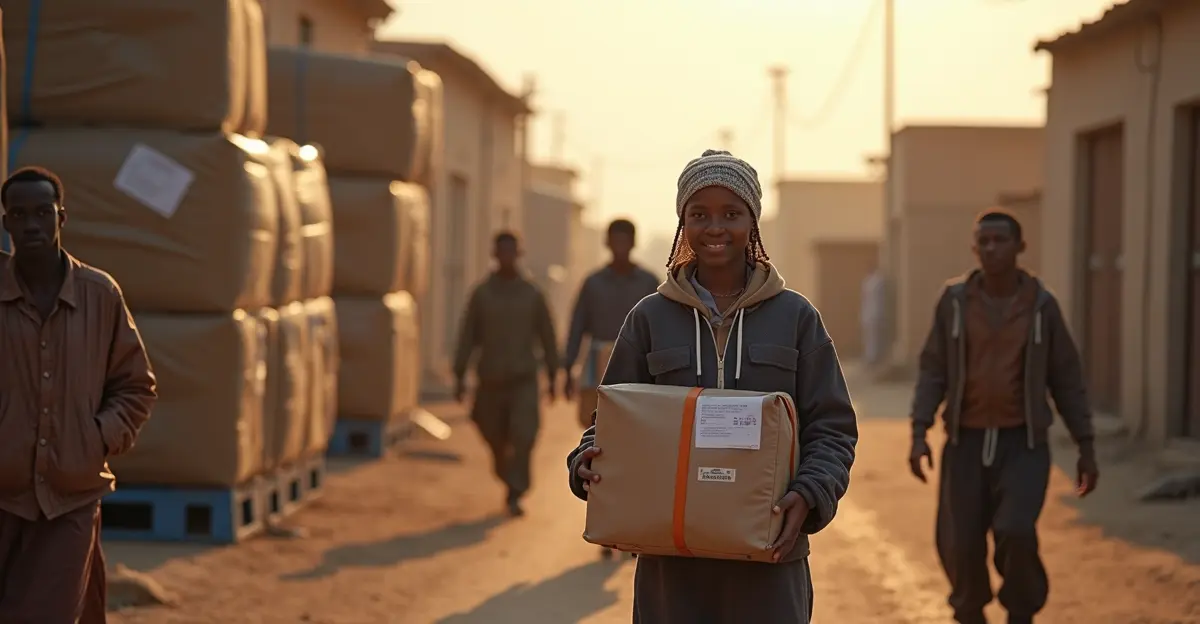
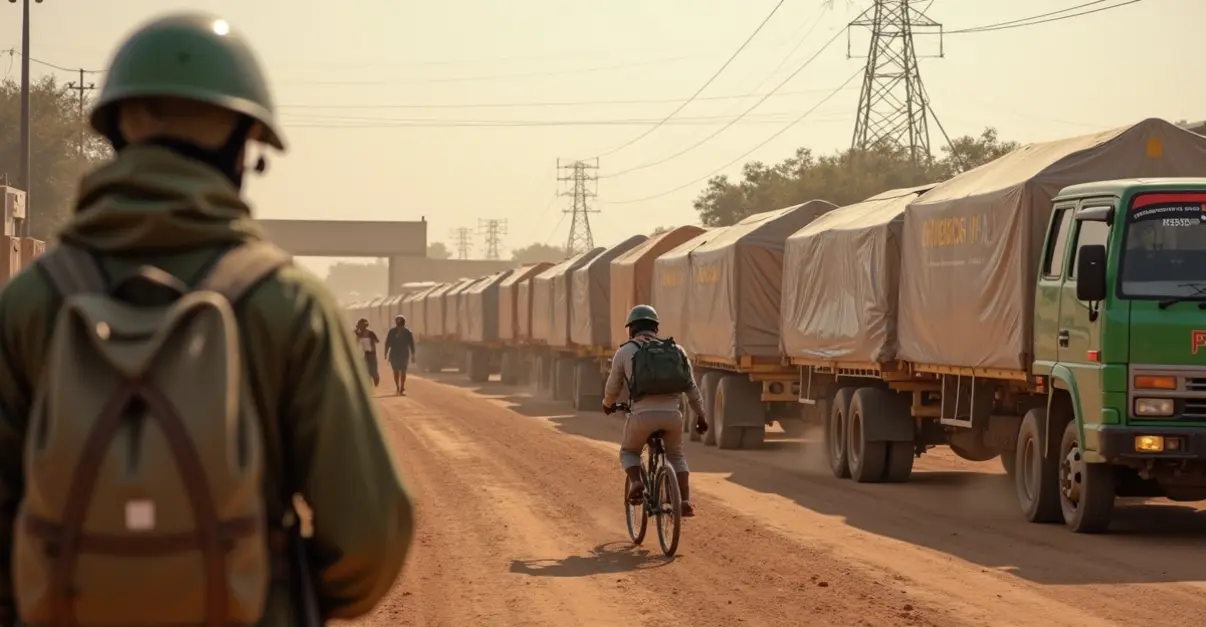
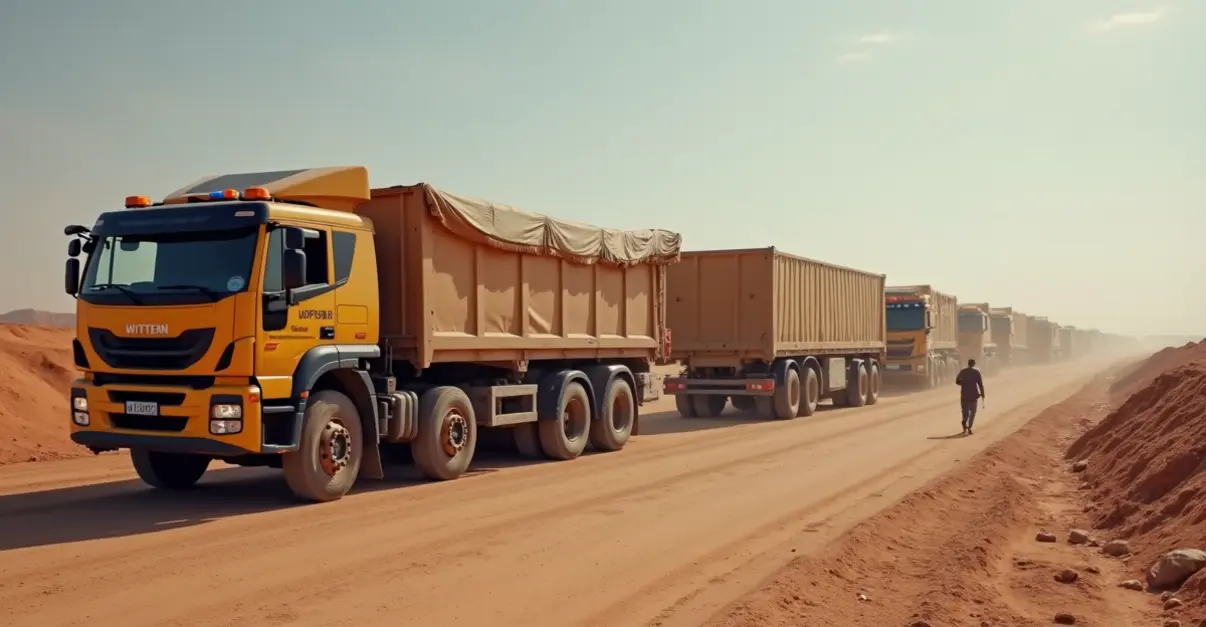
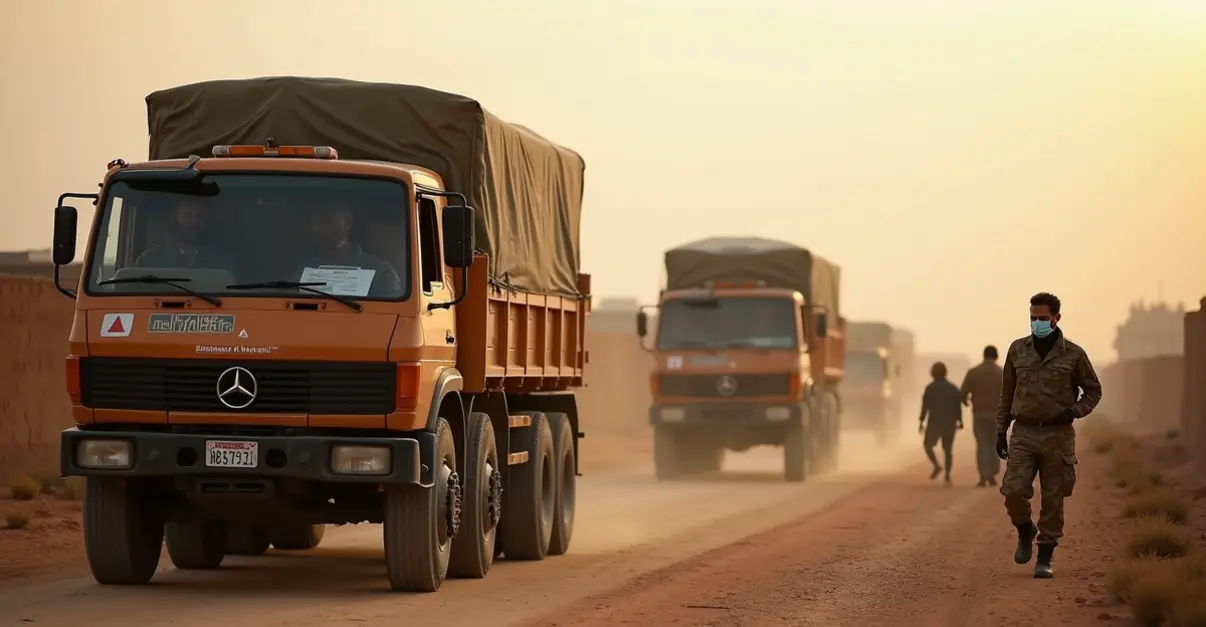
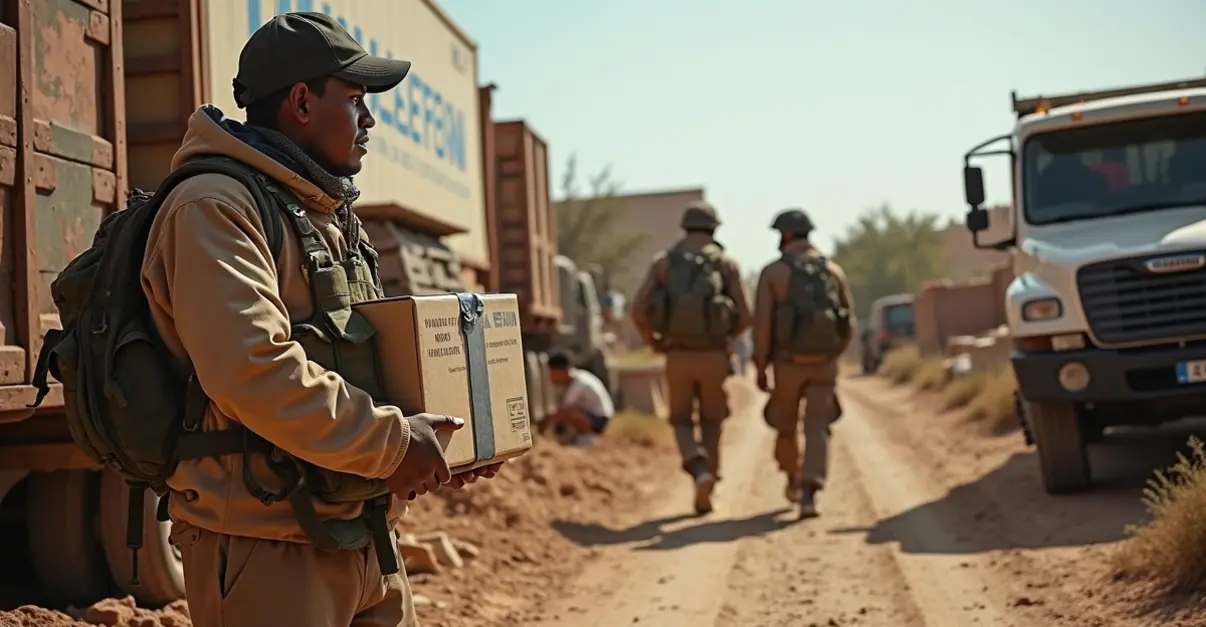
The journey of humanitarian aid doesn't end at border crossings. Once inside conflict zones, convoys face multiple distribution bottlenecks that can leave supplies rotting in warehouses while people starve just miles away. 'We have thousands of truckloads of aid piling up because armed groups stop convoys, threaten drivers, and rifle through cargo,' reports a UN logistics coordinator working in Gaza, where lawlessness has become a major obstacle to aid distribution.
According to research published in ScienceDirect, critical barriers include obsolete IT infrastructure, inconsistent quality monitoring, complex geographical conditions, and poor coordination among stakeholders. The study highlights how last-mile delivery difficulties in particular can undermine entire relief operations.
Donor Coordination: The Fragmented Funding Landscape
With humanitarian needs reaching record levels, donor coordination has never been more critical—or more challenging. The World Economic Forum's Logistics Emergency Team (LET), a partnership of major transport companies including Agility, AP Moller-Maersk, DP World, and UPS, has stepped up to provide pro bono logistics support. However, integrating these private-sector efforts into the broader humanitarian ecosystem remains a significant challenge.
'The disconnect between funding commitments and operational realities is growing,' notes James O'Connor, author of this report. 'While humanitarian aid spending reached $36.8 billion globally in 2023, only 2.2% went to local responders who often have the best understanding of ground realities.'
Safety Concerns: The Rising Toll on Aid Workers
The safety of humanitarian personnel has deteriorated dramatically in recent years. According to Wikipedia data, more aid workers were killed in Gaza by summer 2024 than in any war since the founding of the United Nations, with at least 278 fatalities. This alarming trend extends beyond Gaza, with attacks on humanitarian convoys becoming increasingly common in conflict zones worldwide.
'When aid workers become targets, the entire humanitarian system is compromised,' warns Maria Rodriguez, director of a major international NGO. 'We're seeing deliberate obstruction tactics that include bureaucratic delays, checkpoint harassment, and direct attacks on convoys.'
Technological Solutions and Future Directions
Despite these challenges, technological innovations offer some hope. Drones, AI, blockchain, and real-time tracking systems are improving response times and transparency. The average humanitarian response time has dropped from 14 days in 2010 to around 7 days by 2020 through better prepositioning and coordination.
The African Union and League of Arab States have implemented improved humanitarian corridor programs, while diplomatic efforts at the UN General Assembly call for stricter aid-access enforcement. However, as the Washington Centre reports, the fundamental challenge remains: humanitarian neutrality is increasingly undermined as parties to conflict pressure aid agencies to conform to political agendas.
As conflicts multiply and climate disasters intensify, the international community faces a critical choice: either strengthen the systems protecting humanitarian access and safety, or watch as millions are left without life-saving assistance in the world's most vulnerable regions.

Follow Discussion