Nederlands
 English
 Deutsch
 Français
 Español
 Português
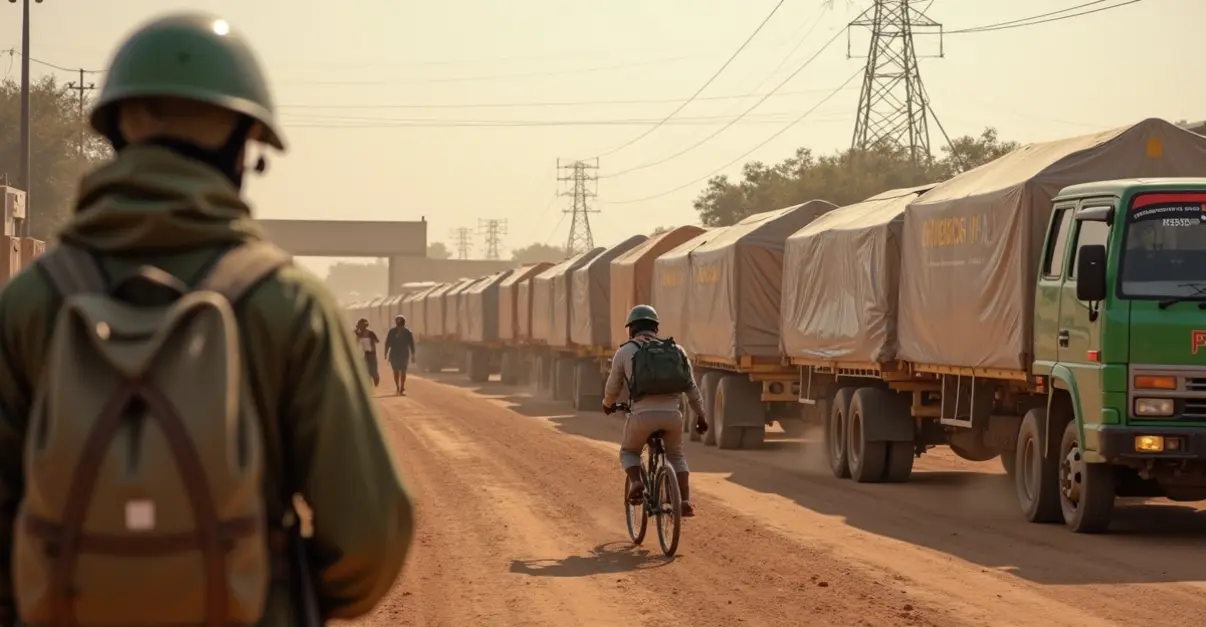





International Aid Convoys Navigate Perilous Paths to Conflict Zones
As international aid convoys finally reach some of the world's most dangerous conflict zones in 2025, humanitarian organizations are confronting a complex web of security threats, beneficiary targeting dilemmas, and distribution bottlenecks that threaten to undermine relief efforts. From Gaza to Sudan and Myanmar, aid workers are operating in what experts describe as an unprecedented crisis environment where humanitarian principles are increasingly weaponized.
Escalating Security Threats
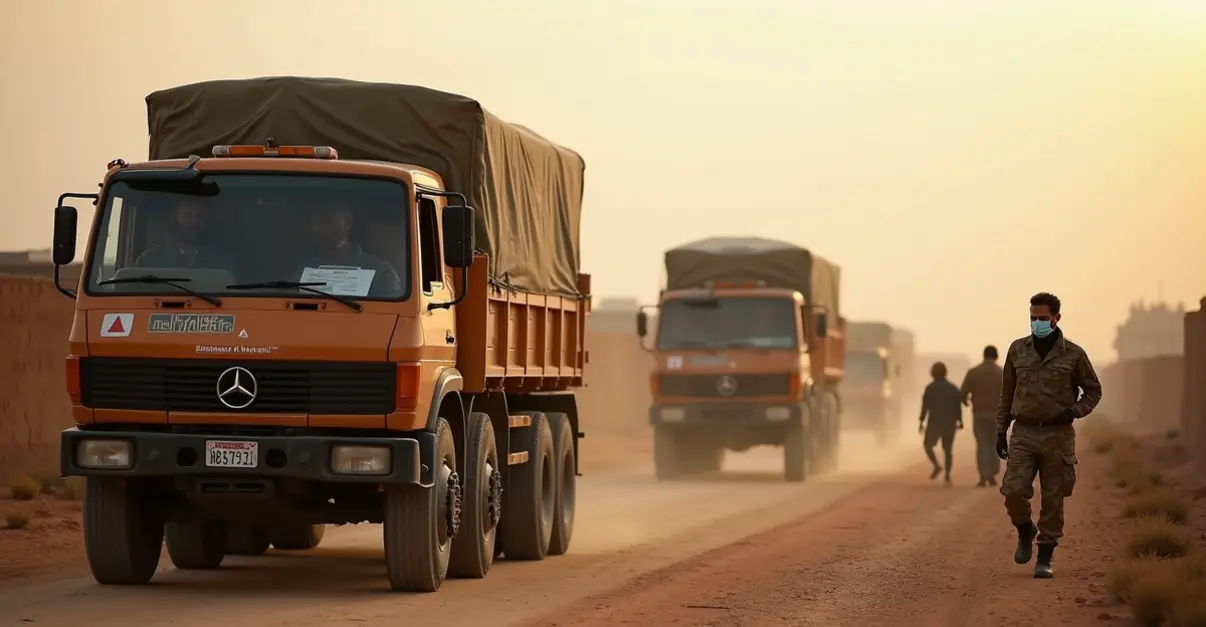
The security landscape for aid convoys has deteriorated dramatically in recent years. According to recent reports, '2024 was the deadliest year on record with at least 377 aid worker deaths across 20 countries, surpassing 2023's previous high by nearly 100 deaths', and 2025 data shows a similar trajectory with at least 245 major attacks recorded so far. What makes this trend particularly alarming is that state militaries—legally bound by international humanitarian law including the Geneva Conventions—are increasingly perpetrating these attacks, rather than non-state actors.
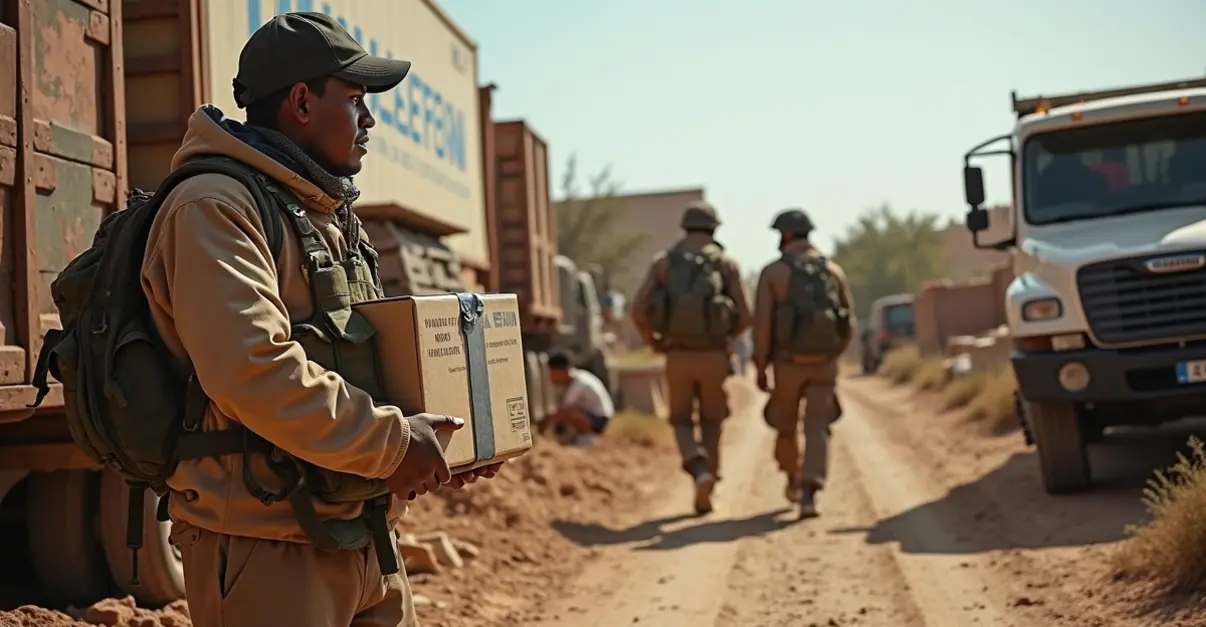
In Sudan alone, the June 2025 Humanitarian Access Snapshot reveals a deteriorating security situation with increased attacks on humanitarian operations. Key incidents include an aid convoy attack in North Darfur that killed five humanitarian workers and an airstrike on a hospital in West Kordofan that killed 41 civilians including healthcare workers. 'The siege of Al Fasher continues to severely restrict access, while authorities in Tawila are reportedly diverting humanitarian aid through imposed fees', creating additional barriers to effective aid delivery.
Beneficiary Targeting Complexities
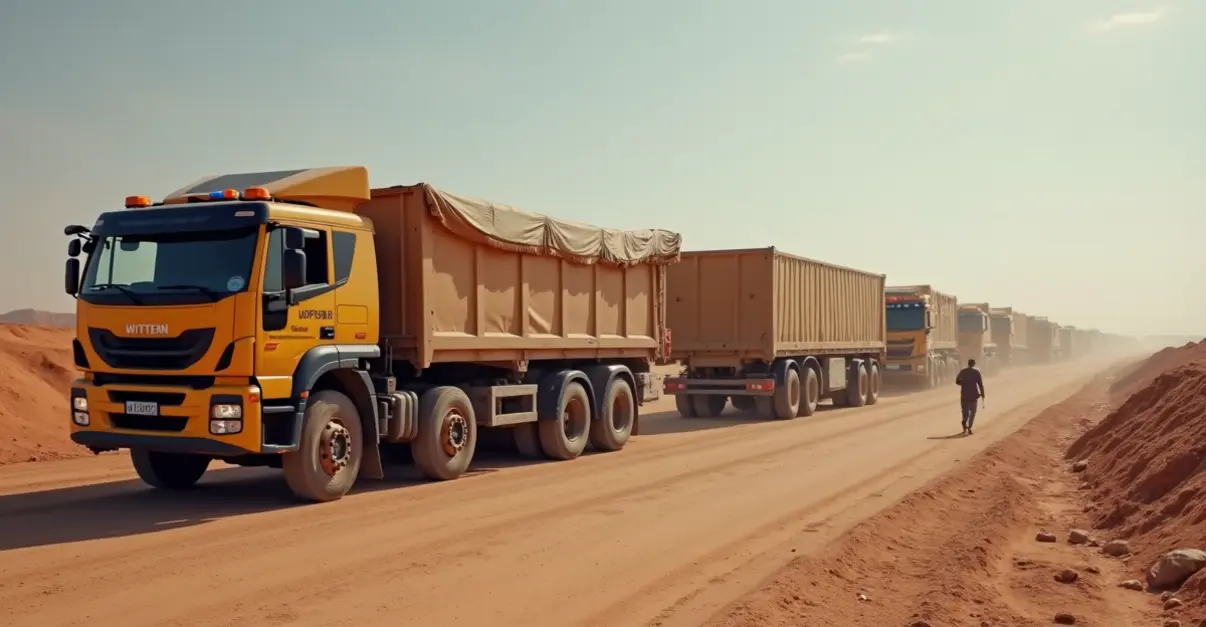
Identifying and reaching the most vulnerable populations has become increasingly challenging. In Gaza, OCHA reports that aid convoys continue to face significant obstacles despite announced secure routes. Trucks experience long delays due to only one available exit route from Kerem Shalom and ad hoc Israeli checkpoints, exposing drivers and aid workers to danger. Between July 23-29, 2025, out of 92 coordinated aid movement attempts, 16% were outright denied, 26% faced impediments, and only 47% were fully facilitated.
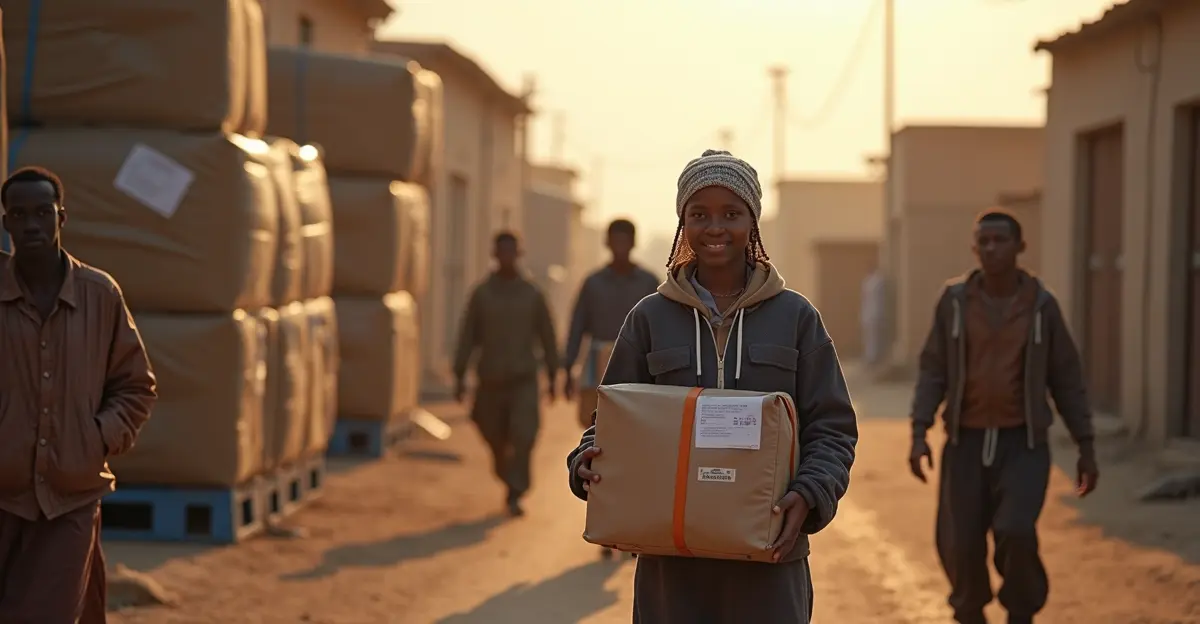
The current conditions result in food being taken by people en route rather than reaching community distribution points where vulnerable groups like malnourished individuals, older persons, and those with disabilities can be prioritized. This creates a fundamental breakdown in the humanitarian principle of impartiality, where aid should reach those most in need regardless of their ability to physically access distribution points.
Distribution Bottlenecks and Logistical Challenges
Distribution bottlenecks represent another critical challenge. According to the World Economic Forum, with 300 million people across 72 countries requiring assistance and major funding cuts, supply chains (responsible for 60-80% of response costs) must become more efficient. The European Commission is leading a High-Level Group initiative structured around five workshops: procurement, localization, preparedness, environmental sustainability, and digitalization.
Digital transformation is identified as crucial for improving speed, scale, and precision of aid delivery, but faces challenges including fragmented systems, inconsistent data standards, and limited interoperability. Research published in scientific journals presents integrated frameworks for relief aid procurement and last-mile distribution during disaster response operations, addressing critical challenges faced by local humanitarian organizations that procure relief items after assessing beneficiaries' needs.
Innovative Solutions and International Response
Despite these challenges, humanitarian organizations are developing innovative approaches. Technological innovations like satellite imagery and predictive analytics are helping agencies navigate safe routes, while regional organizations like the African Union and League of Arab States are developing improved humanitarian corridor programs to streamline emergency responses.
The situation has prompted increased international advocacy, with diplomatic efforts at the UN General Assembly calling for stricter enforcement of aid-access provisions and linking compliance to economic incentives. 'These restrictions have transformed humanitarian aid from a safeguarded need into a political negotiating tool', according to analysis from humanitarian experts.
As aid convoys continue their dangerous journeys into conflict zones, the international community faces a critical test of its commitment to humanitarian principles. The success of these missions depends not only on reaching affected areas but on overcoming the complex security, targeting, and distribution challenges that threaten to render aid ineffective when it's needed most.