Nederlands
 English
 Deutsch
 Français
 Español
 Português





Humanitarian Aid Routes Face Unprecedented Security Challenges
In 2025 and 2026, humanitarian corridors designed for safe aid delivery in conflict zones are confronting unprecedented security threats, political obstacles, and severe distribution bottlenecks. With 181 million people requiring assistance across 72 countries, these vital lifelines are being tested like never before.
Security Guarantees Remain Elusive
Humanitarian corridors, defined as temporary demilitarized zones for safe transit of aid and refugees, face fundamental security challenges. 'These corridors have no legal basis or agreed definition in international law,' explains a Médecins Sans Frontières analysis. 'They're vulnerable to manipulation by conflicting parties based on military interests and international image concerns.'
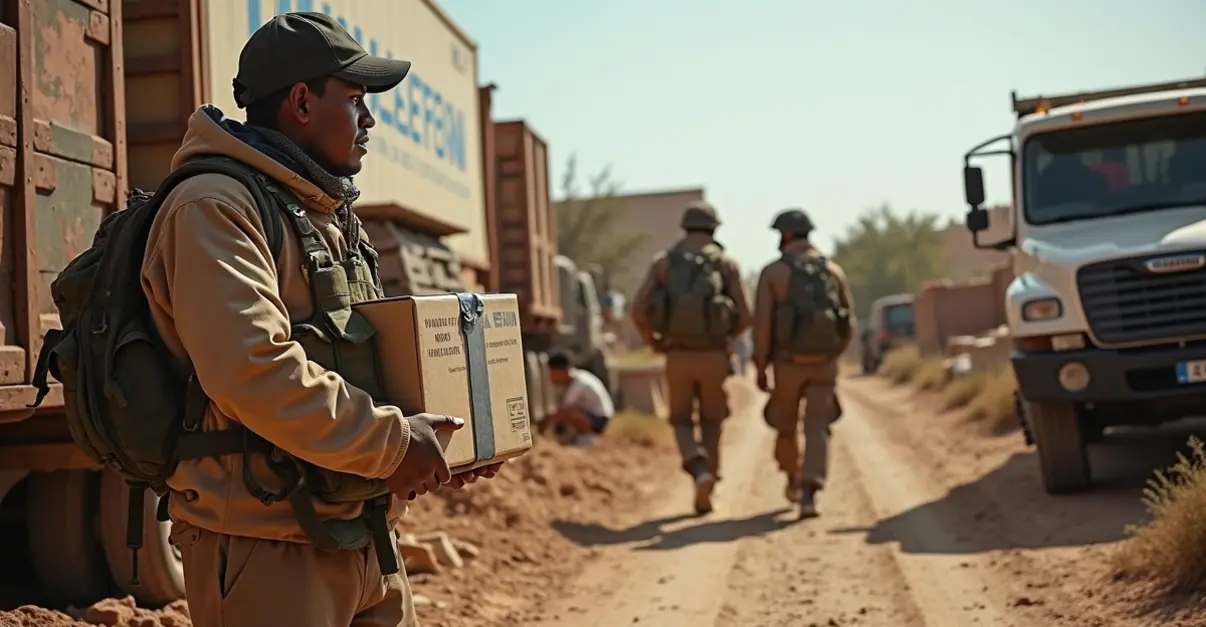
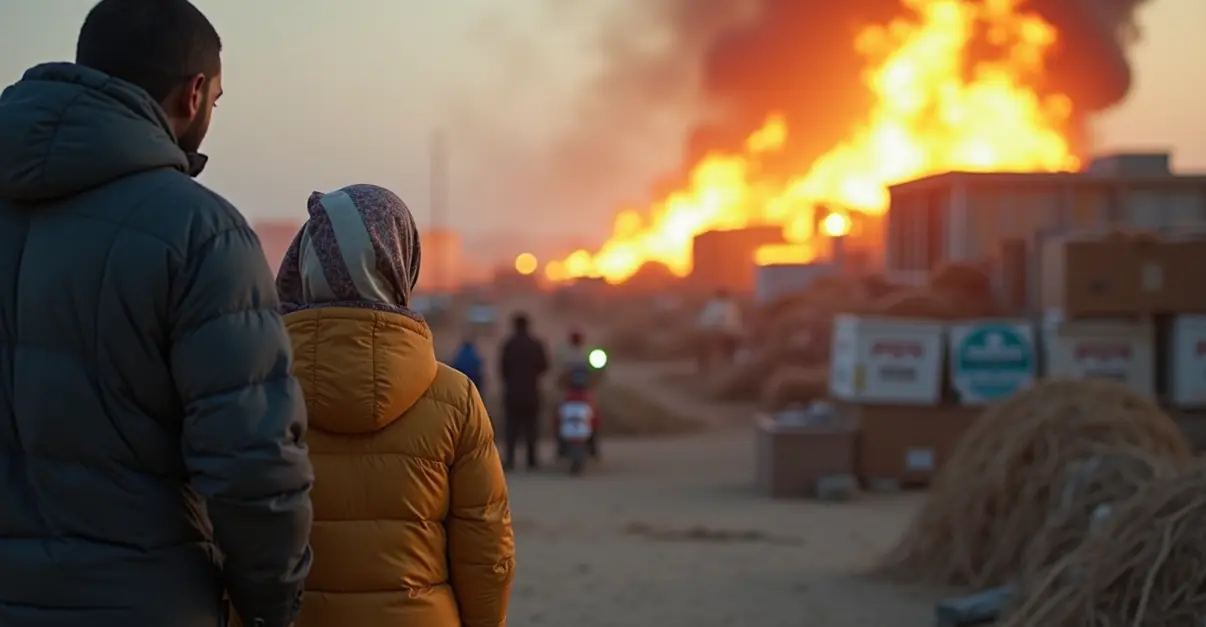
The situation in Gaza exemplifies these difficulties. Despite the October 2025 ceasefire enabling improved access, operational constraints persist with restrictions on critical equipment entry. UN Spokesperson Stéphane Dujarric noted that while the UN has thousands of metric tonnes of supplies ready, they await 'the green light' on security guarantees.
Distribution Bottlenecks Worsen
Distribution challenges have reached critical levels. The funding crisis is particularly dire - only 19% of the required $45.48 billion has been secured, representing a 40% decrease from last year. Humanitarian organizations are adopting 'hyperprioritization' strategies to address $29 billion in urgent needs for 114.4 million people.
'We're facing the perfect storm of shrinking funds and increasing security threats,' says a senior aid coordinator working in conflict zones. 'Every corridor agreement requires complex negotiations about who provides security, who monitors compliance, and how we ensure aid reaches intended recipients.'
Corridor Agreements Under Scrutiny
Recent diplomatic negotiations, such as those between Israel and Syria, have stalled over humanitarian access routes. The International Committee of the Red Cross (ICRC) doesn't promote the corridor concept despite occasionally resorting to it, recognizing that such temporary, limited corridors undermine broader obligations under international humanitarian law.
The JLOTS Maritime Corridor evaluation for Gaza revealed significant external factors impairing distribution. Military logistics capabilities like JLOTS allow delivery without traditional port infrastructure but face coordination issues and external constraints.
Innovative Approaches Emerge
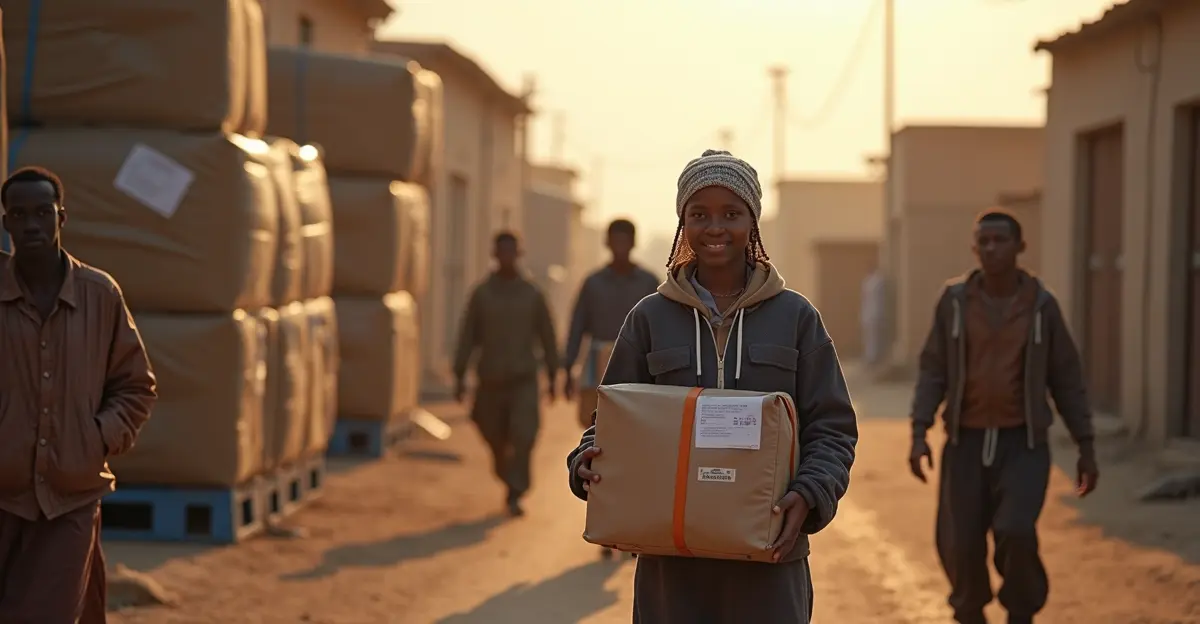
Despite challenges, innovative approaches are emerging. Digital tools and private sector involvement offer potential solutions, though the fundamental need for secure physical access remains critical. The UN and humanitarian partners significantly scaled up aid delivery during the first month of the October 2025 ceasefire in Gaza, distributing up to 1.3 million cooked meals daily and facilitating entry of 65,000 pallets of humanitarian supplies.
Israel's Ministry of Foreign Affairs reports that since the October 2025 ceasefire, 600-800 trucks enter Gaza daily with 70% carrying food. However, they emphasize operating without UNRWA involvement and warn of potential exploitation by armed groups.
The Path Forward
As conflicts persist and climate-related disasters increase, the need for secure humanitarian corridors grows more urgent. The 2026 humanitarian aid policy trends highlight two major challenges: shrinking funds and unconventional approaches. Organizations must balance financial limitations with creative solutions in aid delivery.
'Humanitarian corridors represent both hope and vulnerability,' concludes an international law expert. 'They can save lives when properly implemented with genuine security guarantees, but they can also become tools for political manipulation when security arrangements break down.'
The coming years will test whether the international community can develop more robust security frameworks for humanitarian access while addressing the severe distribution bottlenecks that threaten millions of vulnerable people worldwide.