


 Deutsch
 English
 Español
 Français
 Nederlands
 Português


 Share





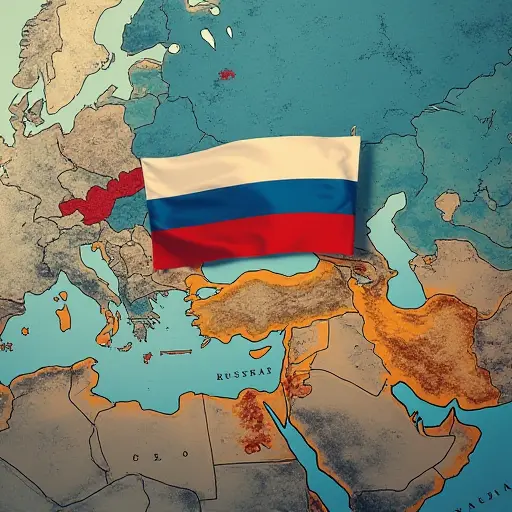
Russia and Ukraine have agreed a rare local ceasefire in the Russian-occupied city of Oleshky from 29 October, opening a narrow window for humanitarian aid deliveries and civilian evacuations after months of isolation. The White House said First Lady Melania Trump helped broker the truce, and both sides confirmed the arrangement. The deal follows a deepening humanitarian crisis: residents have faced severe shortages of food, water and electricity, with some reports saying people survived on garden weeds.
What is the Oleshky ceasefire?
The agreement halts military operations in and around Oleshky, a front-line city on the left bank of the Dnipro River in Kherson region, to allow a designated humanitarian corridor. Non-military civilian teams from Russia and Ukraine will assess residents' needs, and evacuees can choose to travel to Russia or Ukraine. An impartial American media organization is expected to document the process, according to the White House statement.
Why Oleshky became a humanitarian flashpoint
Before the full-scale war, Oleshky had about 24,000 residents. By October 2026, an estimated 1,700 to 2,000 remained, mostly elderly people plus roughly 50 children. The city was largely flooded after the June 2023 Kakhovka Dam destruction, and conditions deteriorated sharply after December 2025. The Institute for the Study of War reported that no food deliveries reached the town after 26 May 2026, leaving residents to eat grass and weeds amid starvation, illness and sanitation failures. The same analysis described how Russia governs occupied areas through humanitarian decline rather than relief, reinforcing Russian-occupied Kherson region dependence on occupation services.
How the deal came together
The White House said Melania Trump acted as 'exclusive intermediary,' negotiating directly with Russian and Ukrainian leadership on objectives, timing and terms. The channel built on six earlier child reunifications involving 34 children, the statement said. Russian human rights commissioner Yana Lantratova and Ukrainian counterpart Dmytro Lubinets signed the arrangement on 23 October in Belarus, according to Fox News. Vatican officials also said Pope Francis helped through calls to Vladimir Putin and Volodymyr Zelenskyy, Al Jazeera reported.
What the ceasefire includes
- Halt to all military action in the Oleshky zone from 29 October
- Safe passage for aid convoys and demining of the road out of the city
- Civilian assessment teams visiting residents at home
- Evacuees choosing to go to Russia or Ukraine
- Documentation by an impartial American media organization
Kremlin spokesman Dmitry Peskov said implementation dates were still being coordinated and that evacuations would take several days. Ukraine's negotiator David Arakhamia confirmed plans for permanent civilian evacuation routes and called the pause the largest de-escalation since 2022, CNN reported.
Reactions and skepticism
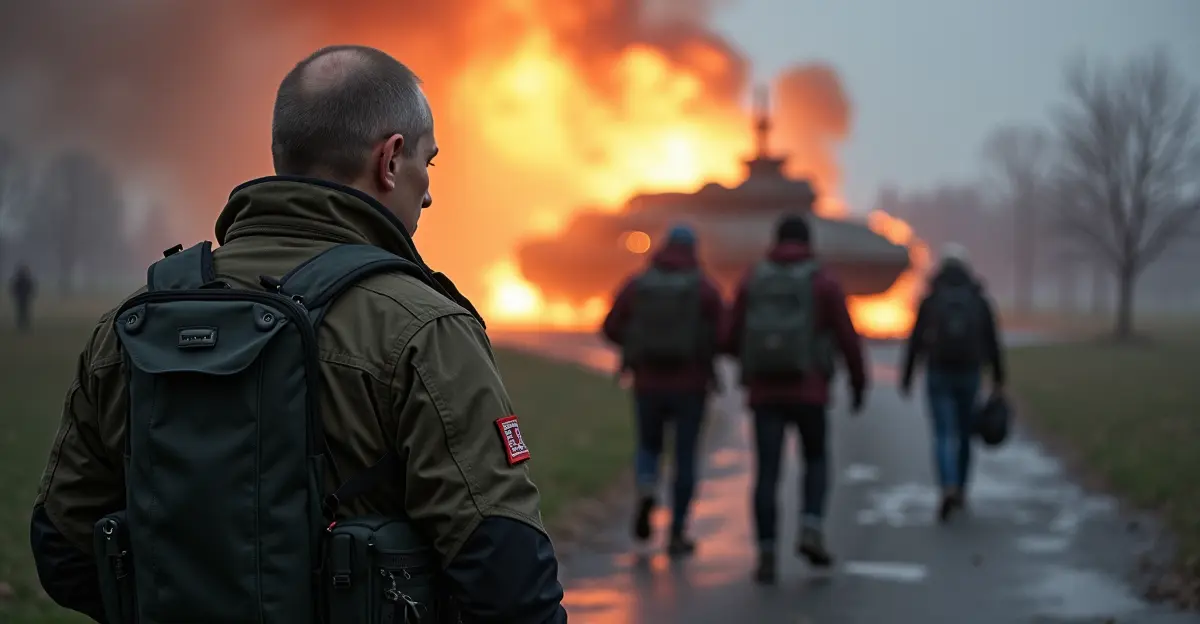
Moscow stressed that the truce was isolated and not a broader peace breakthrough. Many Ukrainians suspect the operation has political motives, the BBC reported, even as hundreds of residents prepared to leave. 'The front-line city is on the brink of disaster,' the White House statement said, citing limited electricity, mined roads and urgent needs for medical care, food and clean water.
Impact and implications
Even as the pause took shape, fighting continued elsewhere. Russia claimed more than 1,000 Ukrainian drones were downed, while Ukraine reported missile and drone strikes. The Oleshky arrangement does not signal progress toward broader peace talks, but it offers a rare localized humanitarian window and a template for future corridor negotiations.
FAQ
When does the Oleshky ceasefire start?
The agreed ceasefire starts on 29 October, although some reports said local pauses began earlier as details were finalized.
How many people remain in Oleshky?
Estimates range from about 1,700 to 2,000 residents, mostly elderly, plus roughly 50 children.
Who brokered the Oleshky ceasefire?
US First Lady Melania Trump acted as an exclusive intermediary, with support from Russian and Ukrainian human rights commissioners and diplomatic calls by Pope Francis.
Will the Oleshky ceasefire end the war?
No. Moscow described the truce as isolated, and fighting continued elsewhere across Ukraine.
Future outlook
Humanitarian workers caution that the truce's success will depend on safe access, demining and whether residents trust the evacuation process. Several hundred people were expected to remain despite no gas, electricity or running water, underscoring both the scale of need and the fragility of the pause.


Follow Discussion