


 Deutsch
 English
 Español
 Français
 Nederlands
 Português


 Share
Share




Pentagon Positions Forces for Potential Cuba Attack
The United States military has completed preparations for a potential military attack on Cuba, according to a detailed analysis by Politico. The Pentagon has positioned troops, naval assets, and aircraft in the region, with all operations awaiting final approval from President Donald Trump. This would mark the third major international military intervention under the Trump administration, following operations in Venezuela and Iran.
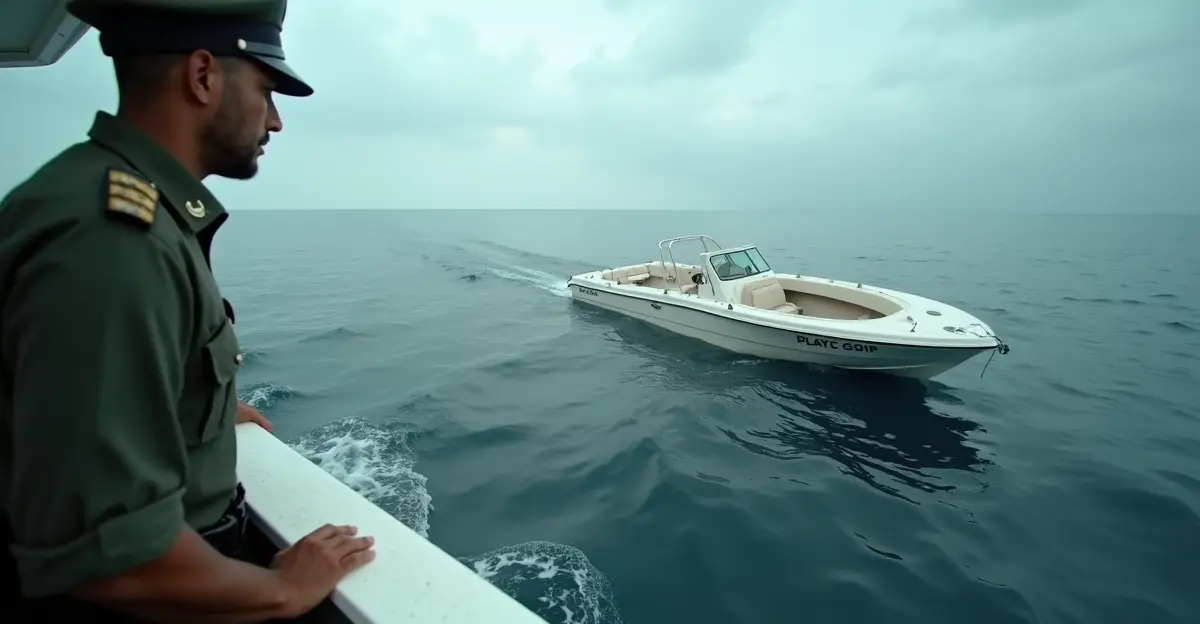
The buildup includes the deployment of the aircraft carrier USS Nimitz to the Caribbean Sea, along with combat aircraft stationed in Florida and Puerto Rico. An amphibious assault ship carrying 2,500 Marines is also ready in Florida. The US military buildup in the Caribbean represents a significant escalation in tensions between Washington and Havana.
Military Assets in Position
Naval Forces
The USS Nimitz, one of the US Navy's most formidable aircraft carriers, arrived in the Caribbean this month. Notably, its arrival coincided with the same day the US Department of Justice indicted former Cuban President Raul Castro. According to Mark Cancian, an analyst at the Center for Strategic and International Studies and a former Pentagon official, 'The Nimitz is there primarily for deterrence, though the ship can also be used for military operations if necessary.'
Air Power and Reconnaissance
In addition to naval assets, the US has deployed multiple drones and reconnaissance aircraft over Cuba, as tracked by flight monitoring websites. Combat aircraft stationed at bases in Florida and Puerto Rico are on standby. Cancian noted that 'airstrikes are possible to take out their air defenses, enabling larger air operations, or perhaps to target their leaders with an eye toward establishing a relationship similar to what we have with Venezuela. Raul Castro would be their primary target.'
Ground Forces
An amphibious assault ship stationed off the coast of Florida carries approximately 2,500 Marines, ready for potential ground operations. The troop positioning mirrors the earlier buildup for the Venezuela intervention earlier this year, though on a smaller scale.
Political Context and Justification
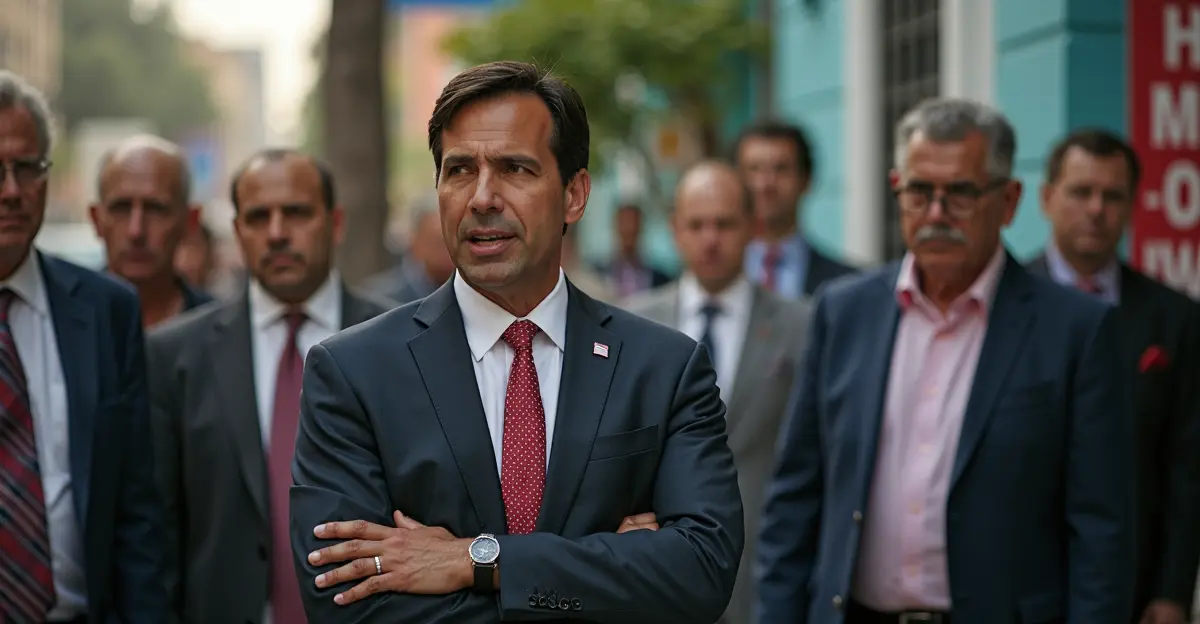
Secretary of State Marco Rubio, who is of Cuban descent, has been a vocal advocate for action against the Castro regime. He has stated that Cuba 'has many problems' and poses a 'danger to US national security', describing the island nation as a 'failed state located just 90 miles from our coast.' The escalating US-Cuba tensions under Trump have been building for months, with Rubio hinting at intervention against the communist regime.
The US Department of Justice recently indicted former President Raul Castro, adding a legal dimension to the political pressure. Cuba has also been accused of planning drone attacks on the US naval base at Guantanamo Bay, further inflaming tensions.
Military Readiness Concerns
A potential attack on Cuba would place enormous strain on US military personnel. Many of the Navy's combat ships have already been deployed for nearly ten months, far exceeding the standard six-to-seven-month deployment cycle. An anonymous Defense Department official told Politico: 'These successive long deployments will accumulate over time. If we keep them at sea for so long, it will lead to more problems with repairing and refurbishing those ships once they return.'
The US military is also simultaneously engaged in the ongoing conflict involving Iran, stretching resources thin. The impact of simultaneous US military operations on troop morale and equipment readiness is a growing concern among defense analysts.
Historical Context of US-Cuba Relations
US-Cuba relations have been fraught since the Cuban Revolution of 1959. The US broke diplomatic ties in 1961 and imposed a comprehensive trade embargo that remains in place. After a brief thaw under President Barack Obama from 2015 to 2017, relations deteriorated again. The US has designated Cuba a state sponsor of terrorism three times, most recently from 2025 onward.
Potential Scenarios and Implications
Analysts suggest several possible courses of action:
- Limited airstrikes: Targeting Cuban air defense systems and military infrastructure
- Decapitation strike: Targeting Raul Castro and other leadership figures
- Full-scale invasion: Amphibious assault involving Marines and follow-on forces
- Naval blockade: Enforcing a quarantine to pressure the regime
A military intervention in Cuba would have far-reaching geopolitical consequences, potentially drawing condemnation from China, Russia, and Latin American nations. It could also trigger a humanitarian crisis, with potential refugee flows toward Florida.
Frequently Asked Questions
Is the US definitely going to attack Cuba?
No. The military is positioned and ready, but the final decision rests with President Trump. No attack order has been given as of this report.
Why is the US considering military action against Cuba?
The Trump administration cites national security concerns, Cuba's designation as a state sponsor of terrorism, and alleged drone attack plans against Guantanamo Bay as justifications.
What military assets has the US positioned?
The USS Nimitz aircraft carrier, combat aircraft in Florida and Puerto Rico, drones, reconnaissance planes, and an amphibious assault ship with 2,500 Marines.
How would an attack affect US military readiness?
Defense officials warn that extended deployments are already straining personnel and equipment, and a new operation would compound these challenges.
What has been the international reaction?
International reactions have been mixed, with allies expressing concern and adversaries like Russia and China criticizing the buildup.
Sources
This article is based on reporting from Politico, BNR Nieuwsradio, and analysis from the Center for Strategic and International Studies (CSIS). Additional context from Wikipedia on Cuba-US relations.



Follow Discussion