


 Deutsch
 English
 Español
 Français
 Nederlands
 Português


 Share
Share




How Finland Mobilizes Its Young Hackers for National Security
In a secret location in Helsinki, dozens of Finnish teenagers are huddled over laptops, coding furiously. They are not playing video games — they are building military-grade defense applications as part of a defense hackathon organized by the Finnish Defence Forces and private sector partners. This initiative is a key pillar of Finland's "total defence" doctrine, which holds that every citizen, including young hackers, shares responsibility for national security.
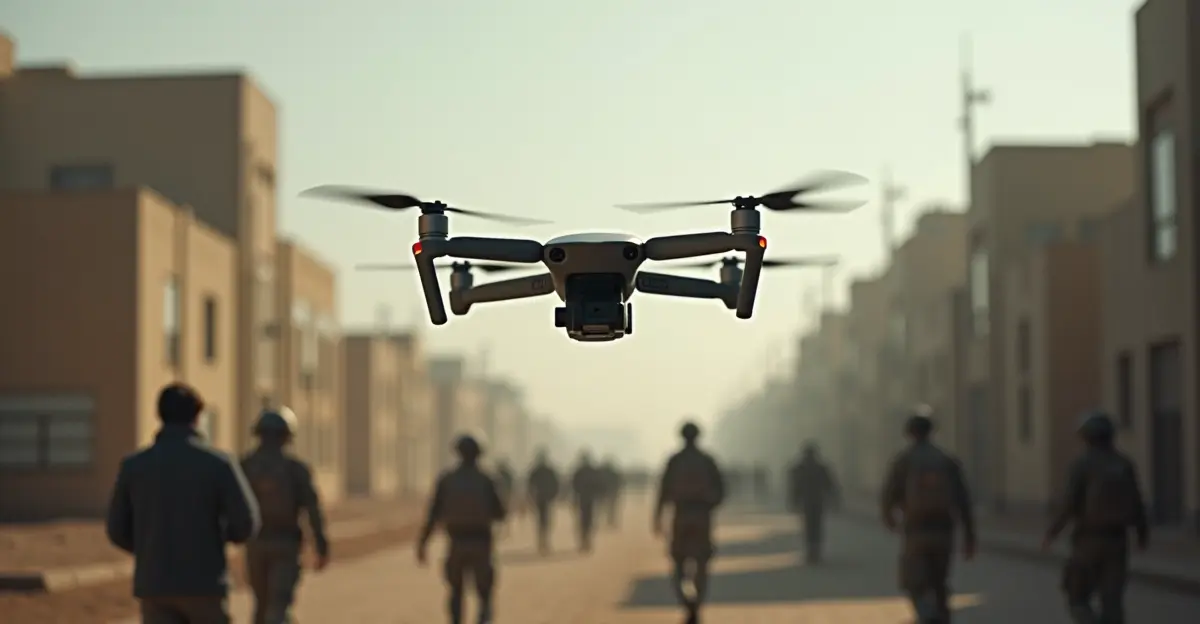
Finland has faced growing threats from Russia, including cyberattacks that hacked military and presidential computers, and drone incursions where Ukrainian drones, likely redirected by Russian electronic jamming, have entered Finnish airspace. In May 2026, a Ukrainian drone carrying explosives flew toward Helsinki, prompting Finnish Hornet fighter jets to scramble and shutting down the airport and harbors. The Finnish total defence model has become a blueprint for how nations can integrate civilians into security.
The Defence Hackathon: A 48-Hour Digital Battle
The hackathon, held in a nondisclosed high-rise in Helsinki, is a marathon 48-hour competition where teams of talented youths develop apps and defense systems for realistic war scenarios. Participants must pass through security checks, remove their shoes at the entrance (a Finnish custom), and receive a secret code to access the venue via elevator.
Real Scenarios, Real Stakes
Nineteen-year-old student Timothy Kruhlov describes his team's scenario: "Four enemy platoons land near the Finnish city of Joensuu, close to the Russian border. In just six hours, they destroy bridges, knock out electricity and radio towers, and place mines on roads. Civil infrastructure is completely disrupted." His team built an app that provides the military with real-time information on road networks, satellite positions, GPS masts, shelters, and water supplies. A defense specialist present at the event was deeply impressed, noting the app was even adapted to the army's command structure.
Another team, led by 19-year-old Petru Podlozni, focused on Finnish bridges — critical assets in wartime. Their app maps which bridges are most important to defend in each region, as blowing up a bridge can cut off supply lines. The work demonstrates how defense technology innovation in Finland starts young.
Industry and Military Collaboration
Specialists from defense companies circulate among the teams, mentoring participants and scouting talent. This close cooperation between the military, government, and private sector is a cornerstone of Finland's approach. Mikka Hyppönen, a cybersecurity and drone-defense specialist, explains: "Companies understand they play an important role in defense. Employees regularly attend military refresher courses, training for one or two weeks at a time. This is fully accepted — it's part of our culture."
The Finnish conscription system and reserve force of 900,000 personnel further reinforce this culture. With universal male conscription and voluntary female service, Finland maintains one of the highest readiness levels in Europe.
The Drone Threat: A Near Miss Over Helsinki
In the most alarming incident to date, a Ukrainian drone armed with heavy explosives flew toward Helsinki in May 2026. Finnish fighter jets were scrambled, the airport and ports were locked down, and nearly two million residents were ordered to stay indoors. However, the alarm system failed to work properly. Hyppönen called it a "close call."
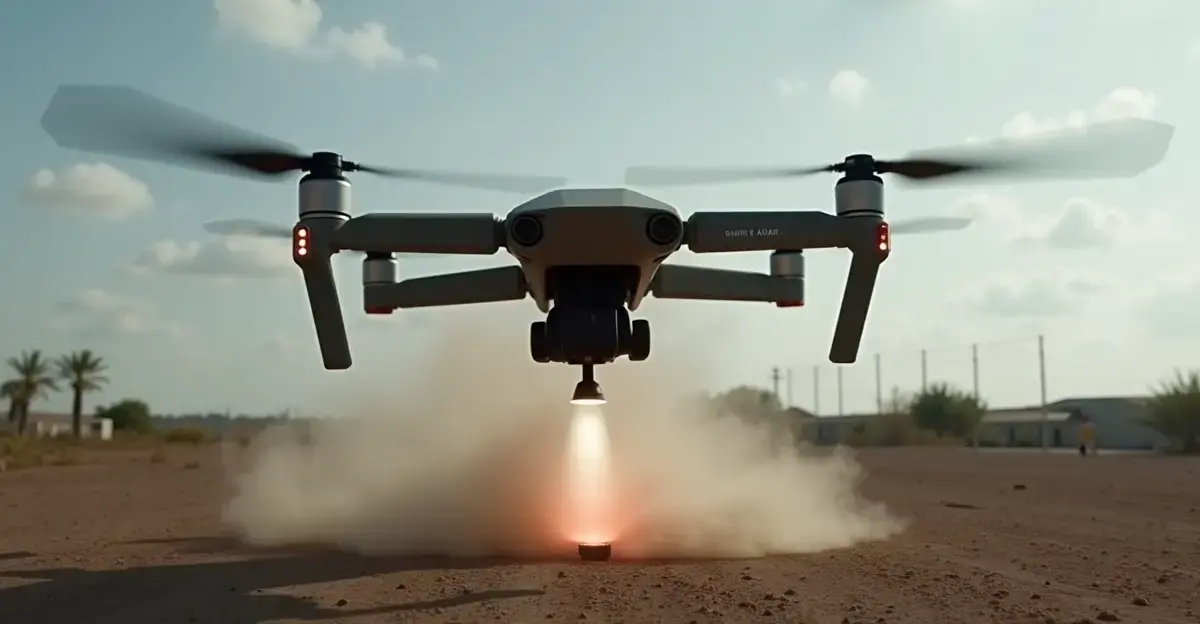
According to Hyppönen, Ukrainian drones are increasingly being redirected toward Finland and the Baltic states via Russian electronic jamming. "So far, these have been smaller drones," he says. "If larger drones carrying 50 kilograms of explosives crash into the capital, we have a problem." The drone that approached Helsinki likely ran out of fuel and crashed into the Baltic Sea.
Constant Innovation: A Cat-and-Mouse Game
Hyppönen emphasizes that the key to defense is continuous innovation. Drones can now be tethered to ultra-thin fiber-optic cables instead of using radio signals, making them immune to electronic jamming. This forces defenders to develop new countermeasures. "The faster we detect drones, the faster the enemy will change their tactics," he says.
Cybersecurity specialists are tasked with staying ahead of these threats. Hyppönen often tells young people: "If you want to change the world, the fastest way is through defense technology. That determines how conflicts will be fought in the future."
FAQ
What is Finland's total defence concept?
Finland's total defence concept means that all sectors of society — government, military, private sector, NGOs, and citizens — share responsibility for national security. It includes universal conscription, a large reserve force, civilian preparedness training, and initiatives like defense hackathons for youth.
How do Finnish youth participate in national defense?
Finnish youth can participate through conscription (men) or voluntary service (women), as well as through defense hackathons, cybersecurity competitions, and educational programs. The Aalto Defence initiative connects university students with the defense ecosystem.
What drone threats has Finland faced recently?
In 2026, Finland experienced several drone incursions, including a Ukrainian drone with explosives that flew toward Helsinki. These drones are believed to be redirected by Russian electronic jamming. Finnish fighter jets have been scrambled multiple times to intercept them.
How does Finland's defense culture compare to other NATO countries?
Finland has one of the highest rates of homeland defense willingness in Europe (83%), universal conscription, a reserve of 900,000, and over 50,000 bomb shelters. Its "total defence" approach integrates civilians more deeply than most NATO allies.
What is the future of Finnish defense technology?
Finland is investing heavily in drone defense, cybersecurity, and next-generation fighter jets (F-35s arriving in 2026). Defense spending is set to rise toward 3% of GDP by 2029. Youth hackathons and industry collaboration ensure a pipeline of innovation.


Follow Discussion