


 Deutsch
 English
 Español
 Français
 Nederlands
 Português


 Share
Share




Netherlands and Germany Send Forces to Establish New NATO Command in Estonia
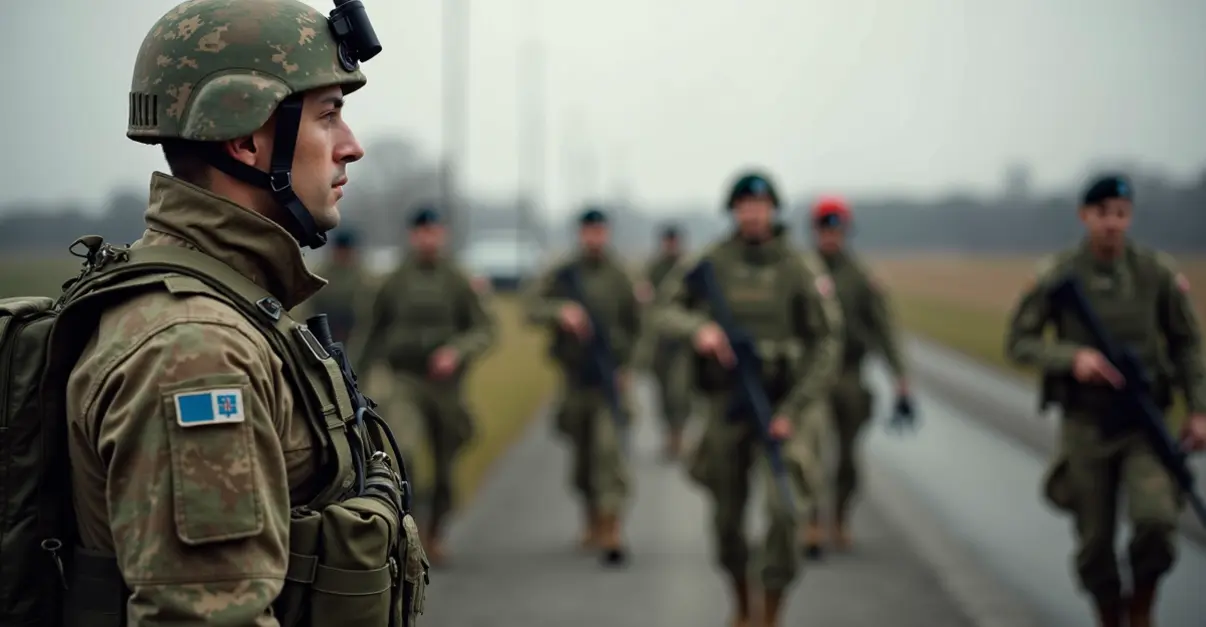
The Netherlands and Germany are deploying military personnel to Estonia to set up a new NATO tactical headquarters aimed at bolstering the alliance's eastern flank against potential Russian aggression. According to reports from Dutch broadcaster NOS and news agency ANP, several dozen soldiers from a joint Dutch-German unit will be involved in establishing the command center. The Dutch Ministry of Defense has not officially confirmed the operation, but Prime Minister Rob Jetten acknowledged the plans, stating they align with long-term efforts to strengthen NATO's eastern flank.
"A NATO headquarters in Estonia is something we have been working on for some time to ensure that the eastern flank of NATO becomes stronger, given the hybrid threat from the Russians," Jetten said. The plan will be further developed in the coming period, after which the Defense Minister will inform the Dutch parliament.
Strategic Context: Why Estonia Needs a New NATO HQ
Since Russia's full-scale invasion of Ukraine in February 2022, the Baltic states—Estonia, Latvia, and Lithuania—have felt acutely vulnerable. Their small size and geographic position, bordering Russia, make them potentially quick targets in a conflict. Currently, all NATO forces stationed in the Baltic states and northern Poland fall under a joint headquarters located in Szczecin, Poland. The new command center in Estonia would significantly accelerate NATO's response time, enabling coordination of tens of thousands of troops in a crisis.
The NATO eastern flank strategy has been a priority since the 2014 annexation of Crimea, but the 2022 invasion of Ukraine accelerated planning. At the 2023 NATO summit in Vilnius, allies agreed to shift from a tripwire presence to a more robust forward defense posture. The new headquarters in Estonia represents a concrete step toward implementing that vision.
The 1st German-Netherlands Corps Takes the Lead
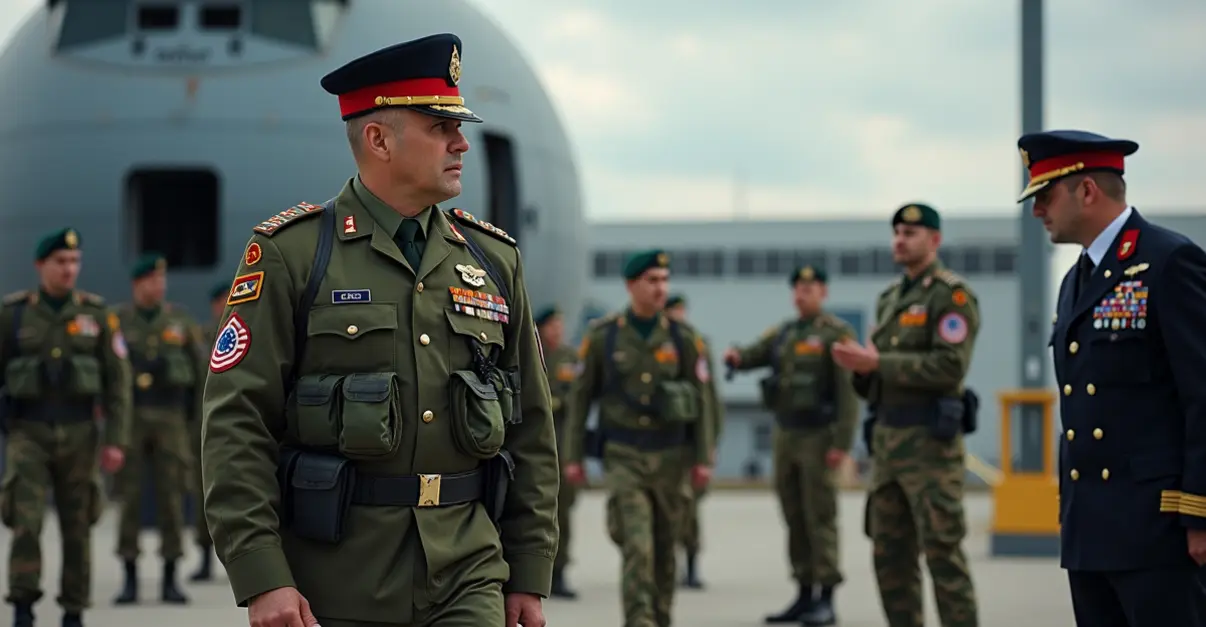
The mission falls under the 1st German-Netherlands Corps (1GNC), a multinational warfighting headquarters based in Münster, Germany. Established in 1995, 1GNC is assigned to both NATO and the European Union and has a track record of rapid deployment, having served as the International Security Assistance Force (ISAF) headquarters in Afghanistan multiple times and as the NATO Response Force Land Component Command.
About 14 allied nations are involved in the new Baltic command structure. The 1GNC will provide the core command and control element, with additional personnel from other NATO member states augmenting the headquarters. This deployment marks the first time a full corps-level headquarters will be permanently stationed in the Baltic region, rather than rotating units.
Similar to NATO's Enhanced Forward Presence battle groups, which have been in place since 2017, the new headquarters will enable faster decision-making and more effective coordination of multinational forces. However, unlike the battalion-sized battlegroups that rotate every six months, this corps headquarters will provide a permanent command structure capable of overseeing larger-scale operations.
Broader Implications for European Defense
The deployment underscores a broader shift toward greater European responsibility for continental defense, a key demand from Washington. NATO redacteur Roemer Ockhuijsen noted: "That the Netherlands and Germany are setting up this headquarters is in line with the ambition to have Europe make a greater contribution to its own defense. The Americans have been asking for a 'NATO 3.0' for some time: a variant of the alliance in which Europe largely takes care of itself."
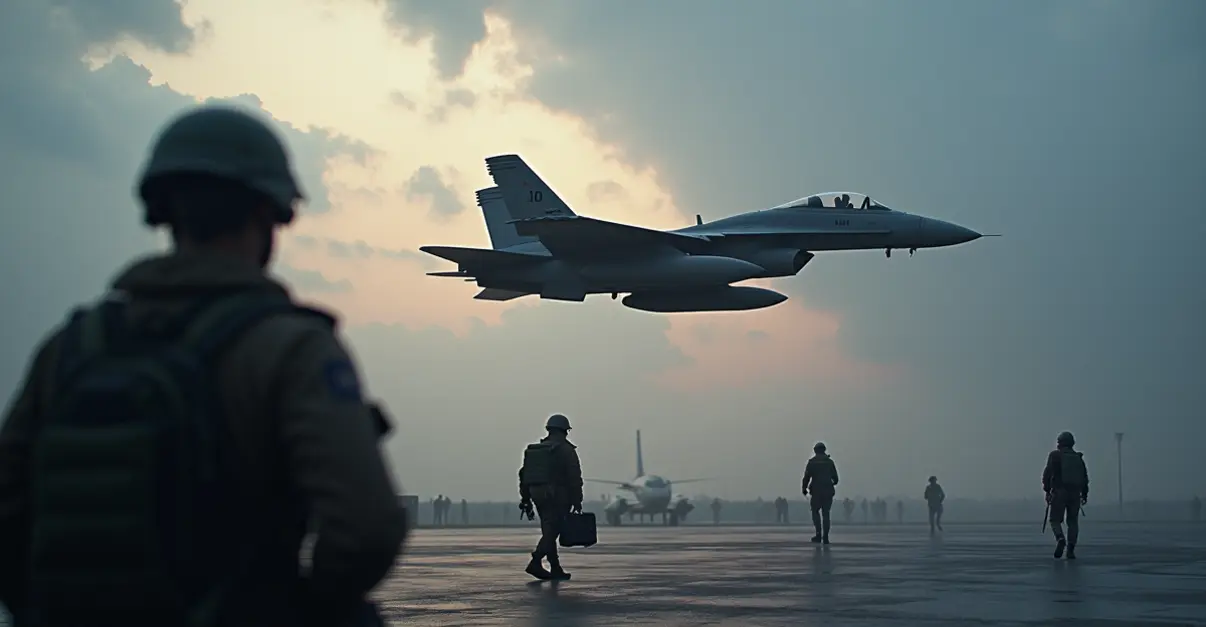
The United States has announced plans to reduce troop levels in Europe in the coming years, adding urgency to European-led initiatives. The US troop withdrawal from Europe has been a recurring topic at NATO summits, with European allies working to fill potential capability gaps.
In parallel, Dutch Defense Minister Dilan Yeşilgöz has been active in modernizing warfare capabilities. She recently attended a drone summit in Riga, Latvia, where the Netherlands announced plans to train 600 to 1,200 drone specialists and conduct large-scale drone exercises in Latvia. These initiatives complement the new headquarters by enhancing NATO's ability to respond to hybrid threats and modern warfare scenarios.
Reactions and Next Steps
The Estonian government has welcomed the move. Estonia has long advocated for a permanent NATO presence on its soil, viewing it as essential for deterrence. In recent years, Estonia has also invested heavily in its own defense, including the purchase of additional HIMARS rocket systems and the construction of the Baltic Defense Line—a series of fortifications along the border with Russia.
The Dutch parliament will debate the deployment once the Defense Ministry submits its formal proposal. Opposition parties have called for clarity on the mission's scope, costs, and duration. The German Bundestag is also expected to vote on the deployment, as the 1GNC is a binational command structure requiring approval from both countries.
NATO Secretary General Jens Stoltenberg has praised the initiative, noting that it demonstrates the alliance's ability to adapt to evolving security challenges. The new headquarters is expected to reach initial operational capability by late 2026 and full operational capability by 2027.
FAQ
Why is NATO establishing a new headquarters in Estonia?
To accelerate NATO's response time in the Baltic region, which is considered vulnerable to potential Russian aggression due to its small size and proximity to Russia. Currently, Baltic forces are commanded from Poland, which adds critical minutes and hours in a crisis.
How many troops will be deployed?
Several dozen soldiers from the joint Dutch-German 1st German-Netherlands Corps will be initially deployed. The headquarters will eventually be capable of commanding tens of thousands of troops from multiple NATO member states.
What is the 1st German-Netherlands Corps?
The 1GNC is a multinational corps headquarters based in Münster, Germany, established in 1995. It consists of units from the Royal Netherlands Army and the German Army, with personnel from other NATO nations. It has served in Afghanistan and as a NATO Response Force component multiple times.
How does this relate to NATO's Enhanced Forward Presence?
Enhanced Forward Presence (EFP) involves multinational battalion battle groups stationed in the Baltics and Poland since 2017. The new corps headquarters will provide higher-level command and control for these battlegroups and additional forces, enabling more effective coordination and faster decision-making.
What is the timeline for the new headquarters?
Initial operational capability is expected by late 2026, with full operational capability by 2027. The Dutch and German governments are still finalizing the details, and parliamentary approvals are pending.
Sources
- NOS (Nederlandse Omroep Stichting) - Original reporting, May 27, 2026
- ANP (Algemeen Nederlands Persbureau)
- NL Times - "Dutch and German troops help establish NATO command center in Estonia"
- Estonian World - "NATO to assign a new corps to defend Estonia and Latvia"
- ERR News (Estonian Public Broadcasting)
- 1st German-Netherlands Corps official website (1gnc.org)
- Wikipedia - NATO Enhanced Forward Presence
- Wikipedia - 1 German-Netherlands Corps

Follow Discussion